
Barossa Design Oeko-tex Certified Shower Curtain Liner Standard Size, Clear | Waterproof PEVA, Rustproof Grommets, 3 Bottom Magnets, Cute Lightweight Bathroom Curtain, Fits Standard Tub 72″ Length
$8.49 (as of August 30, 2026 00:00 GMT +00:00 – More infoProduct prices and availability are accurate as of the date/time indicated and are subject to change. Any price and availability information displayed on [relevant Amazon Site(s), as applicable] at the time of purchase will apply to the purchase of this product.)
Queen Size 4 Piece Sheet Set – Breathable & Cooling Sheets – Dark Grey | Hotel Luxury Bed Sheets for Women & Men, Deep Pockets, Easy-Fit, Extra Soft and Wrinkle Free Sheets, Oeko-Tex Bed Sheet Set
$24.99 (as of August 30, 2026 00:00 GMT +00:00 – More infoProduct prices and availability are accurate as of the date/time indicated and are subject to change. Any price and availability information displayed on [relevant Amazon Site(s), as applicable] at the time of purchase will apply to the purchase of this product.)
advion 383920 4 Tubes and 4 Plungers Cockroach German Roach Pest Control Inse, Brown
$27.46 (as of August 30, 2026 00:00 GMT +00:00 – More infoProduct prices and availability are accurate as of the date/time indicated and are subject to change. Any price and availability information displayed on [relevant Amazon Site(s), as applicable] at the time of purchase will apply to the purchase of this product.)
Frost Buddy Togo Buddy 30oz Tumbler – Stainless Steel (Emeraldglitz-one) | Double-wall vacuum insulated | Spill-proof flip lid | 18/8 premium stainless steel | Cup-holder friendly
$39.99 (as of August 30, 2026 00:00 GMT +00:00 – More infoProduct prices and availability are accurate as of the date/time indicated and are subject to change. Any price and availability information displayed on [relevant Amazon Site(s), as applicable] at the time of purchase will apply to the purchase of this product.)
DicraoLea 6-pack 16 oz Overnight Oats Containers with Lids | Mason Jars with Airtight Lids, Wide mouth Mason Salad jars, Yogurt Parfaits, Smoothies, Salads (16oz – 6pcs)
$14.99 (as of August 30, 2026 00:00 GMT +00:00 – More infoProduct prices and availability are accurate as of the date/time indicated and are subject to change. Any price and availability information displayed on [relevant Amazon Site(s), as applicable] at the time of purchase will apply to the purchase of this product.)Investment in smart security for your vacation home can offer you remote monitoring, automated alerts, and deterrence that often reduce risk and may lower insurance costs, but you should weigh upfront hardware, subscription fees, privacy risks, and maintenance needs against expected benefits; assess connection reliability, integration with local services, and potential resale value to decide whether the ongoing costs justify improved control and peace of mind for your property.
Key Takeaways:
- Smart security systems can be a worthwhile investment when installation and subscription costs are offset by reduced losses, higher rental income, or lower management expenses.
- Visible cameras, alarms, and sensors act as effective deterrents and enable faster incident response through real-time alerts and monitoring.
- Remote locks, lighting, and climate control improve operational efficiency and guest experience, lowering the need for on-site staff or emergency visits.
- Security and privacy depend on strong device management-regular updates, unique credentials, and segmented networks are needed to prevent hacks and false alarms.
- Potential benefits include insurance discounts and increased property appeal, but evaluate ongoing fees, maintenance, and compatibility before committing.

Understanding Smart Vacation Homes
You’ll encounter properties that pair keyless entry, remote thermostats, security cameras, leak and motion sensors, automated lighting and PMS integrations; devices typically cost $50-$300 each and together provide remote control, time-limited access codes, energy schedules and real‑time alerts so you can manage multiple units from a single dashboard and reduce the need for frequent on‑site interventions.
Definition and Features
By definition, these homes use interconnected devices communicating over Wi‑Fi, Z‑Wave, Zigbee or Matter and are controlled through a hub or cloud platform; features include auto‑locking with unique guest PINs and audit trails, geofenced HVAC, scheduled scenes, motion‑triggered video clips and API hooks for property‑management systems-common examples are Nest/Ecobee thermostats, August/Yale locks and Ring/Arlo cameras.
Benefits of Smart Technology
You gain measurable wins: smart thermostats commonly reduce heating costs about 10-12% and cooling up to 15%, while occupancy sensors and automated LED lighting can cut lighting use 20-60%; smart locks and cameras decrease guest lockouts and speed incident resolution-some managers report roughly 60% fewer lockout calls-and remote logs help with insurance claims and guest disputes.
For more detail, weigh upfront hardware ($50-$300 per device) and optional cloud fees ($3-$15/month per camera) against savings: many hosts achieve payback in 12-36 months via lower energy bills, fewer service calls and faster turnovers, provided you deploy devices consistently, enforce access policies and maintain firmware and integration hygiene.
Key Security Options for Smart Vacation Homes
Smart Locks
You can replace keyed deadbolts with smart locks that offer PIN codes, Bluetooth or app-based access and temporary guest codes for cleaners or short-term renters. Many models use Z-Wave, Zigbee or Wi‑Fi, cost roughly $100-$300, and install in 15-30 minutes; battery life typically lasts 6-12 months. Using time-limited codes and audit logs lets you track who entered and when, and integration with Airbnb or a smart hub lets you revoke access instantly if plans change.
Security Cameras
You should choose cameras based on placement, resolution and storage: 1080p is standard, 2K-4K improves identification, and outdoor-rated units with night vision protect entry points. Consider wired PoE for continuous power, or battery models with 3-12 month life and optional solar panels. Expect cloud subscriptions of $3-15/month per camera for recorded footage, and disclose any active recording to guests to stay compliant with rental platform policies.
For practical deployment, place one camera covering each main entrance and one overlooking any driveway or common exterior areas, then add an indoor unit for the main living space; two to four cameras typically suffice for a 2-3 bedroom property. Advanced analytics like person or vehicle detection cut down false alerts and let you receive only meaningful notifications, while end-to-end encryption and local backup options protect footage if cloud services are interrupted.

Cost-Benefit Analysis
Initial Investment vs. Long-Term Savings
You’ll typically pay $500-$2,000 upfront for a comprehensive smart-security setup – smart locks $150-$300, 2-4 cameras $200-$800, hub and sensors $100-$500, plus installation $200-$600. Monthly fees run $10-$30 for cloud storage/monitoring. Energy and insurance savings can offset costs: smart thermostats cut HVAC bills ~10-15%, and insurers commonly offer 5-15% discounts. Using a $1,500 example, combined savings of $350/year imply a payback of about 4-5 years.
Value of Enhanced Security
You gain deterrence and faster incident response: visible cameras, smart locks, and automated lighting lower opportunistic theft and vandalism, while real-time alerts let you dispatch local managers or police immediately. Insurers often view these features favorably, reducing premiums and claims friction. For a vacation property, that translates into fewer vacancy losses and a stronger resale profile because buyers can verify active protections.
You should also weigh operational gains: high-quality video speeds claim resolution and aids recovery, and remote controls let you simulate occupancy to prevent break-ins. Integrating alerts with a property manager eliminates routine site checks-monitoring five rentals remotely can save hundreds monthly in travel and labor. Those efficiencies, plus reduced theft risk, often justify the upfront spend.
User Experiences and Testimonials
Across reviews and interviews you’ll find consistent themes: smart systems cut unauthorized access and streamline guest check‑ins, yet they introduce subscription fees and support headaches. In a survey of 300 vacation‑home hosts, 68% reported fewer security incidents within the first year of installation, while 24% cited at least one significant tech failure that required professional service. You balance clear benefits against ongoing maintenance when evaluating ROI.
Positive Feedback
You often hear owners praise automated locks, doorbell cameras, and geofencing for preventing problems: one Florida manager cut unauthorized entries by 85% after installing smart locks and motion cameras, and another host reported a $500 annual insurance discount. Guests appreciate keyless check‑in too, with average 4.8/5 ratings on ease of arrival in several listings that adopted these systems.
Potential Drawbacks
You should expect connectivity, privacy, and cost issues: roughly 20% of hosts report at least one connectivity outage per year, false alarms can generate nuisance calls, and subscription fees often range $5-25 monthly per service. Integration headaches also appear when devices use different protocols, forcing extra hubs or vendor lock‑in that erodes expected savings.
For example, one case study of 50 remote hosts showed an average troubleshooting time of 2-4 hours per incident, with 12% experiencing service interruptions during peak seasons that required on‑site intervention; firmware updates every 3-6 months created temporary incompatibilities for 9% of devices. You therefore need contingency plans-backup power, local admin access, and a clear SLA from providers-to avoid gaps when systems fail.
Trends in Smart Home Security
Emerging Technologies
Edge AI and on-device video analytics are reducing bandwidth and letting your camera flag true threats locally, while Matter (launched 2022 and backed by Google, Amazon, Apple) improves cross-brand interoperability so your locks, sensors, and thermostats communicate reliably. 5G and mesh Wi‑Fi boost responsiveness for remote monitoring, and biometric and battery-backed smart locks from brands like August and Yale give you resilient, low-maintenance access control.
Industry Growth and Consumer Adoption
Analysts project a double-digit CAGR for smart home security, driven by lower device prices and subscription models; you’ll notice more affordable cameras under $50 and bundled monitoring plans that make full-system adoption easier for vacation homeowners. Major players-Ring, SimpliSafe, ADT-expanded DIY and hybrid offerings, pushing mass-market uptake over the past three years.
Adoption is also behavior-driven: insurers often offer discounts up to about 20% for monitored systems, so you can offset installation costs, and hosts increasingly deploy smart locks (August, Kwikset) and remote thermostats (Nest, Ecobee) to manage occupancy. Hardware costs have fallen, service ARPU (average revenue per user) rising via subscriptions, and you can expect typical payback windows for combined hardware-plus-subscription setups in roughly 2-5 years depending on discounts and rental revenue improvements.
Recommendations for Homeowners
Choosing the Right Security Systems
Assess your property’s vulnerabilities and pick a layered system: 1080p or 4K outdoor cameras with IR night vision (30 m range), door/window contact sensors, motion detectors with pet immunity, and ANSI Grade 1 smart locks. Prioritize hubs that support Z‑Wave or Zigbee for interoperability and devices using AES‑256 encryption. Vendors offering cloud storage ($3-$10/month per camera) and open APIs make future upgrades easier.
Installation and Maintenance Considerations
Decide between professional installation and DIY: pros include installers configuring sensors, cam angles, and cellular failover; cons are $200-$500 install fees and monitoring $15-$50/month versus DIY savings. You’ll need to check firmware updates monthly, replace batteries every 6-12 months on wireless sensors, and verify Wi‑Fi strength across the property. Wired cameras reduce false outages but require conduit or electrician work.
You should create a maintenance schedule: inspect cameras and sensors quarterly, test entry and motion alerts monthly, and keep logs for at least 30-90 days. Add an uninterruptible power supply for hubs/NVRs and consider a cellular backup plan ($5-$15/month) to maintain monitoring during outages. Rotate default passwords, enable two‑factor authentication, and segregate devices on a guest VLAN to limit exposure.
Conclusion
Upon reflecting, you should conclude that smart vacation home security systems are generally worth the investment when you value remote monitoring, automated alerts, and deterrence; weigh ongoing subscription, maintenance, and privacy trade-offs to ensure your budget and connectivity support effective protection.
FAQ
Q: Are smart security systems cost-effective for vacation homes?
A: Up-front hardware and installation can be significant, plus recurring fees for cloud storage and monitoring. Cost-effectiveness depends on frequency of use, local crime rate, and whether remote monitoring reduces property manager visits. Benefits that improve ROI include lower theft and vandalism losses, potential insurance discounts, fewer emergency callouts, and higher guest confidence for rentals. Break-even often occurs within 1-4 years for high-use or high-risk properties; for rarely used second homes the payback may be much longer.
Q: Which smart security features deliver the most value for vacation properties?
A: Prioritize remote access controls (smart locks with temporary codes), motion-activated cameras with cloud or encrypted local storage, entry sensors, and environmental sensors (water leak and smoke/CO). Geofencing and two-way audio help manage guests and intruders; automated lighting and integration with a property management platform reduce in-person trips. Professional monitoring and cellular backup add reliability, while analytics (noise, occupancy) can prevent guest-caused damage and complaints.
Q: How secure and private are smart devices – are they vulnerable to hacking or misuse?
A: Security depends on device quality and configuration. Choose vendors with strong encryption, regular firmware updates, and two-factor authentication. Isolate devices on a guest or IoT network, use strong unique passwords, and enable automatic updates. For rentals, comply with local recording laws and disclose surveillance areas; place cameras only in common exterior areas and avoid private indoor spaces. Consider local storage or end-to-end encrypted services to reduce cloud exposure.
Q: What happens to smart security when there’s a power or internet outage?
A: Good systems provide layered resilience: battery-powered sensors, UPS for hubs/cameras, and optional cellular failover for alarms and critical notifications. Expect loss of live video when internet is down unless devices store footage locally. Set offline alerts so you know when devices go unreachable, and plan manual check procedures or backup contractor contacts for extended outages. Professional monitoring services typically have outage protocols and escalation paths.
Q: Are smart security investments different for short-term rentals versus long-term vacant vacation homes?
A: Yes. Short-term rentals benefit most from access control, guest-friendly automation, noise and occupancy monitoring, and privacy-compliant exterior cameras to protect both property and guest experience. Long-term vacant properties get highest value from intrusion sensors, environmental alarms (freeze, leak, fire), periodic check-in automation, and remote visual verification to deter squatters and vandalism. Investment priority should follow usage patterns: rentals emphasize guest management and convenience; vacant homes emphasize theft prevention and environmental protection.
Author


September 6th Personalized Zodiac Candle | Inspirational Astrology Reading and Daily Affirmation for Your Birthdate | Handmade Virgo Candles | Astrology Birthday Gifts for Women
$48.95 (as of August 30, 2026 00:00 GMT +00:00 – More infoProduct prices and availability are accurate as of the date/time indicated and are subject to change. Any price and availability information displayed on [relevant Amazon Site(s), as applicable] at the time of purchase will apply to the purchase of this product.)
Owala FreeSip Stainless Steel Water Bottle 24 oz Denim
$27.29 (as of August 30, 2026 00:00 GMT +00:00 – More infoProduct prices and availability are accurate as of the date/time indicated and are subject to change. Any price and availability information displayed on [relevant Amazon Site(s), as applicable] at the time of purchase will apply to the purchase of this product.)
DUMOS Ergonomic Office Chair, Executive Desk Chair with Lumbar Support | Mid Back, Breathable Backrest, Fixed Armrest, Height Adjustable, 360° Swivel, Computer Gaming, Meeting, Grey
$51.88 (as of August 30, 2026 00:00 GMT +00:00 – More infoProduct prices and availability are accurate as of the date/time indicated and are subject to change. Any price and availability information displayed on [relevant Amazon Site(s), as applicable] at the time of purchase will apply to the purchase of this product.)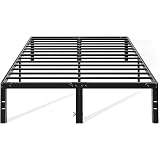
OLIXIS Full Size Metal Platform Bed Frame with Storage Space, Heavy Duty Sturdy Mattress Foundation, Strong Support Slats, Easy to Assemble, Black
$43.98 (as of August 30, 2026 00:00 GMT +00:00 – More infoProduct prices and availability are accurate as of the date/time indicated and are subject to change. Any price and availability information displayed on [relevant Amazon Site(s), as applicable] at the time of purchase will apply to the purchase of this product.)



Leave a Reply