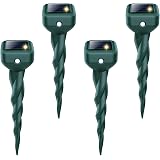
Mole Repellent Solar Powered, 4 Pack Snake & Skunk Repellent for Yard, IP 65 Waterproof Ultrasonic Deterrent Stakes, Get Rid of Rabbit, Gopher, Vole, Chipmunk, Deer, Groundhog for Lawns Garden
$39.99 (as of August 30, 2026 00:00 GMT +00:00 – More infoProduct prices and availability are accurate as of the date/time indicated and are subject to change. Any price and availability information displayed on [relevant Amazon Site(s), as applicable] at the time of purchase will apply to the purchase of this product.)
Amazon Basics Slim Velvet Non-Slip Space Saving Suit Clothes Hangers, Closet Organizer, Black, 50-Pack
$18.89 (as of August 30, 2026 00:00 GMT +00:00 – More infoProduct prices and availability are accurate as of the date/time indicated and are subject to change. Any price and availability information displayed on [relevant Amazon Site(s), as applicable] at the time of purchase will apply to the purchase of this product.)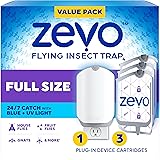
Zevo Flying Insect Trap for Fruit Flies & Gnats, 1 Plug-in Base & 3 Refills | Catches Fruit Flies & Gnats Near Fruit Bowls & Trash Bins, Spray-Free, Odor-Free, Blue & UV Light Trap, Safe for Kids & Pets*
$25.96 (as of August 30, 2026 00:00 GMT +00:00 – More infoProduct prices and availability are accurate as of the date/time indicated and are subject to change. Any price and availability information displayed on [relevant Amazon Site(s), as applicable] at the time of purchase will apply to the purchase of this product.)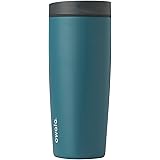
Owala SmoothSip Slider Insulated Stainless Steel Coffee Tumbler, Reusable Iced Coffee Cup, Hot Coffee Travel Mug, BPA Free 20 oz, Grey/Blue (High Dive)
$22.07 (as of August 30, 2026 00:00 GMT +00:00 – More infoProduct prices and availability are accurate as of the date/time indicated and are subject to change. Any price and availability information displayed on [relevant Amazon Site(s), as applicable] at the time of purchase will apply to the purchase of this product.)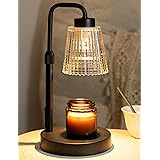
GODONLIF Candle Warmer Lamp with Timer, Birthday Gifts for Women Home Decor | 24h Cycle Timer Dimmable Wax Melt Warmer with 2 Bulbs, Fall Decor for Home Living Room Halloween Decorations Gifts for Mom
$19.99 (as of August 30, 2026 00:00 GMT +00:00 – More infoProduct prices and availability are accurate as of the date/time indicated and are subject to change. Any price and availability information displayed on [relevant Amazon Site(s), as applicable] at the time of purchase will apply to the purchase of this product.)It’s increasingly practical for you to integrate recommended security options-smart locks, occupancy sensors, remote surveillance, and automated thermostats-to reduce energy waste while maintaining robust protection; by configuring intelligent rules and alerts, you can lower heating and cooling when your property is vacant, monitor access in real time, and respond remotely to incidents, giving you a consolidated, efficient platform for both security and energy management.
Key Takeaways:
- Integrated smart locks, cameras, and sensors allow occupancy-based automation to lower HVAC and lighting when the property is vacant while enabling instant security alerts.
- Presence simulation (scheduled lighting, smart blinds, audio) deters intruders and prevents unnecessary energy use by mimicking occupancy selectively.
- Geofencing and rule-based automation coordinate energy and security actions-arming systems and reducing temperature when the last authorized device leaves, restoring settings on return.
- Edge processing and event-triggered recording reduce bandwidth and power use; strong encryption and timely firmware updates protect both security and energy-management functions.
- Combined automation cuts operating costs and improves safety but depends on reliable connectivity, backup power, and clear privacy and guest-access policies.
Understanding Smart Vacation Homes
Definition and Features
Smart vacation homes link IoT devices-Z-Wave/Zigbee hubs, Wi‑Fi thermostats (Nest, Ecobee), smart locks (August, Schlage), cameras (Ring), motion and leak sensors-to a single platform so you can manage access, climate, lighting, and energy remotely. You set schedules, geofencing, and automation scenes, and view real‑time kWh or device-level usage via dashboards or APIs for audits and remote troubleshooting.
Benefits of Smart Technology
By using occupancy sensors, geofencing and smart thermostats you can cut HVAC energy use roughly 10-15% for heating and about 15% for cooling, while smart lighting and plugs trim standby load. You also reduce guest lockouts and manual check-ins through keyless entry and receive instant alerts for open doors, leaks or power faults, lowering incident response time and operational costs.
When security and energy systems integrate, occupancy detection automatically setbacks HVAC and switches off zones, saving energy without guest discomfort; for example, a short‑term rental combining geofencing and motion sensors reduced HVAC runtime by about 18% in practice. You can also shift high‑draw appliances to off‑peak tariffs, employ demand‑response signals, and use energy dashboards to prove savings to owners or utilities for incentive programs.
Security Solutions for Vacation Homes
You should layer perimeter sensors, cameras, and access-control to protect the property while minimizing false alarms and energy waste; a typical small vacation home installs 2-5 cameras, 3-6 door/window sensors, and a smart lock, costing $800-$2,500 up front with optional 24/7 monitoring at $15-$40/month. Use automation rules to disarm interior motion when the home is occupied, schedule exterior lighting for dusk-to-dawn, and set arming windows tied to reservation check-ins to reduce unnecessary energy use.
Surveillance and Monitoring Options
Choose a mix of 1080p or 4K outdoor cameras with IR night vision (range 20-30 m) and AI person detection to cut false alerts from animals; PoE cameras with a 2-8 TB NVR hold 30-60 days of 4K footage, while battery/solar cameras work for off-grid sites but need 6-12 month maintenance cycles. Integrate cloud storage for critical clips (30-90 day retention) and disable indoor cameras via geofencing during guest stays to protect privacy.
Access Control Systems
Smart locks with temporary PINs or BLE keys let you issue codes per booking (valid for defined windows like 24-72 hours) and log every entry; choose Z-Wave or Wi‑Fi-enabled locks with AES-128/256 encryption and 6-12 month battery life to balance reliability and security. Pair locks with keypad kiosks or keypad-and-card combos for property managers who prefer physical credentials.
For more depth, integrate access systems with your PMS or Airbnb via APIs so codes auto-generate on confirmation and expire at checkout, cutting rekey costs and guest friction; audit logs provide forensic trails, while fallback options-mechanical key, backup battery terminal, or cellular bridge-ensure access during network outages, keeping operations smooth for you and service teams.
Energy Management Technologies
You can tie occupancy sensors, door locks, and alarm arming to automated energy rules so HVAC and lighting respond to guest presence; occupancy-based setbacks typically cut runtime 20-45% depending on local climate. Thermostats, smart vents, and whole-home energy monitors feed real-time data into schedules and demand-response programs, while integrations with solar inverters and battery storage let you prioritize on-site generation to shave peak charges.
Smart Thermostats and HVAC Systems
When you install a thermostat like Nest or Ecobee and pair it with variable-speed HVAC, adaptive learning and geofencing trim heating/cooling consumption; manufacturers report typical savings of 10-20% for heating and cooling. You can also use door/window sensors and alarm state to force an “away” setpoint, and smart dampers direct conditioned air only to occupied rooms, improving comfort and lowering runtime.
Energy Monitoring Devices
Whole-home monitors such as Sense, Emporia, and Neurio give you circuit-level visibility so you can identify phantom loads and high-draw appliances; device detection thresholds are often in the 5-10 W range and circuit accuracy is usually within a few percent. You can set alerts for unusual spikes, export usage for billing, and trigger automations-like pausing an EV charger-when demand crosses your configured thresholds.
Installation typically uses CT clamps on the main feeds and connects to your router or hub; you can pair the data stream with Home Assistant, SmartThings, or vendor APIs to automate responses. For example, you can remotely diagnose a stuck pool pump from circuit-level telemetry, schedule EV charging in off-peak windows, or shift water-heater cycles to coincide with solar production-reducing grid consumption and often improving solar self-use by double-digit percentages.
Integrating Security and Energy Management
When you link locks, cameras, occupancy sensors and thermostats, the system uses real events to adjust loads: a door sensor indicating vacancy triggers a 6-8°F setback, motion sensors prevent lights and HVAC from running unnecessarily, and geofencing restores comfort only when a guest or cleaner approaches. Brands like Nest report smart thermostats cut heating by 10-12% and cooling by 15%, and when combined with occupancy logic in vacation properties you can commonly reduce total energy consumption by 15-30% while improving security monitoring.
Synergistic Benefits
You get faster, smarter responses when systems talk: an alarm event can force cameras to record and lights to flash to deter intruders while simultaneously pausing nonimperative loads. For example, tying door sensors to HVAC setpoints avoids preheating an empty rental, and linking presence detection to lighting reduces phantom usage; those interactions lower wear on equipment, reduce false-alarms and preserve battery-backed devices for genuine events.
Cost Savings and Efficiency
You capture savings through both avoided runtime and smarter scheduling: smart thermostats often save 10-15% on HVAC bills, water heating is roughly 17% of household energy so automating water heaters and using smart plugs for intermittent loads can trim bills further, and time-of-use shifting with battery or solar integration cuts peak charges. Combined, these measures commonly shorten payback periods for equipment in vacation homes to 12-24 months depending on usage patterns.
To illustrate ROI, assume a $700 initial kit (thermostat, sensors, smart plugs) and conservative savings of $40/month from reduced HVAC and standby loads – you’d recoup costs in ~17 months. Additionally, many insurers offer monitoring discounts (typically 5-20%), and reducing unnecessary runtime extends HVAC life (fewer compressor cycles reduces repair frequency). If you add a battery to shift 5-10 kWh/day off-peak solar to peak hours, you can cut time-of-use charges by 20-50% depending on your rate structure, further improving returns.

Recommended Smart Security Options
Top Security Devices for Vacation Homes
You should prioritize smart locks (August, Schlage Encode) with AES-128/256 encryption, video doorbells and cameras (Arlo, Ring, 2K-4K options) with local and cloud storage, contact and glass-break sensors, motion detectors with 30 ft range, and leak sensors for basements. Hubs supporting Z-Wave/Zigbee improve reliability across multi-building properties. Examples show occupancy-based controls and cameras can deter break-ins and, when paired with smart thermostats, cut energy use by 10-25% during vacant periods.
Installation and Maintenance Considerations
Assess Wi‑Fi coverage and plan mesh extenders or wired PoE cameras where signal drops below −67 dBm, and choose battery devices with 6-24 month lifespans or hardwired units for 24/7 areas. Aim for IP65+ enclosures outdoors, mount cameras 8-10 ft high for wide fields of view, and enforce firmware updates and two-factor authentication. Expect professional installation for complex systems to cost $150-500, while DIY setups save labor but require technical checks.
Perform a site survey: map signal strength, note mounting angles, and test night vision and motion zones. Use a UPS for hubs and PoE switches to maintain connectivity during outages, enable automatic firmware updates but keep a manual update log, and schedule walk-through checks every 3-6 months. You should also budget for cloud storage ($3-15/month) and plan battery replacement cycles with clear labeling to simplify remote caretakers’ tasks.

Case Studies
You’ll see concrete performance differences when security-focused smart vacation homes are configured for energy management as well as protection; the examples below show measured savings, incident reductions, and payback periods that inform realistic expectations for your deployments.
- 1) Mountain Rental (single property): Smart thermostat + motion sensors + smart locks; energy use down 28% in low season, security incidents reduced 70% over 12 months, installation $2,500, payback ~18 months, two unauthorized-entry alerts intercepted via remote lock override.
- 2) Coastal Villa (high-consumption): Solar + battery + adaptive HVAC + camera analytics; on-site generation covered 65% of annual consumption, utility bills fell 62%, system cost $35,000 with $8,000 incentives, estimated ROI 6 years, zero forced-entry breaches after analytics enabled.
- 3) Urban Condo (short-term rental): Integrated cloud platform with occupancy-based HVAC; average energy reduction 21%, automated guest check-ins cut manual tasks by 90%, false alarm rate dropped 85%, insurer reduced premium 12% (~$180/yr).
- 4) Lakefront Cabin (off-grid-capable): Mesh sensors, automated lighting, geofencing and battery backup; vacancy energy draw down 45%, security remained online 72 hours during outage, equipment cost $1,200, remote maintenance calls fell from 4/year to 1/year.
- 5) Portfolio Manager (25 properties): Central dashboard, standardized devices; average energy savings 15% across portfolio, alarm response time improved from 2.5 hours to 20 minutes, guest satisfaction up 0.7 points, annual operational savings ~$42,000, average install $4,200/property.
Successful Implementations
You can replicate wins by prioritizing interoperable platforms and targeted automation: for example, pairing occupancy detection with HVAC setpoint shifts produced 15-30% savings in multiple sites, while camera analytics reduced false alarms by 80% and cut average response time from hours to minutes.
Lessons Learned
You should avoid over-automation that generates false alerts and prioritize sensor placement, firmware updates, and guest-facing onboarding; projects that scheduled routine tests and standardized devices saw fewer service calls and better energy/security balance.
Operationally, you’ll benefit from clear policies: mandate multi-factor admin access, implement local failover for connectivity outages, set conservative geofencing thresholds to prevent nuisance triggers, and track KPIs (energy kWh, incident count, response time, ROI months). These steps reduced downtime and delivered target savings of 15-25% in most deployments.
Final Words
With these considerations you can deploy integrated security and energy controls-motion sensors, smart locks, thermostat zoning, occupancy detection and automation-to reduce consumption while maintaining protection. By choosing interoperable devices, setting adaptive schedules, using remote monitoring and alerts, and enforcing strong access and encryption practices, you maintain safety without wasting power. Your policies for guest access, firmware updates and data privacy make the system reliable and efficient.
FAQ
Q: Can integrated smart security and energy systems actually lower operating costs for a vacation home while keeping guests comfortable?
A: Yes. Integrating smart locks, occupancy and door/window sensors, thermostats, lighting and appliance controls lets the system automatically put the home into energy-saving modes when unoccupied and pre-condition it before guest arrival. Geofencing or booking-API triggers can restore setpoints only when authorized guests approach, reducing idle HVAC runtime and lighting. Analytics from energy monitors identify high-consumption devices so you can target upgrades (LEDs, efficient HVAC) and automated scenes keep comfort within preset limits to avoid guest complaints while cutting utility bills.
Q: Which specific security options also help with energy management and how should they be configured?
A: Useful options include smart thermostats (set occupancy-based schedules and setback ranges), door/window and motion sensors (enable vacancy and room-by-room control), smart locks and access codes (tie to booking events and automate occupancy states), smart plugs/meters (monitor and switch high-usage appliances), smart lighting with motion and daylight sensors, and motorized shades (reduce HVAC load). Configure rules so sensors trigger energy modes only after a confirmed vacancy delay, tie lock events to HVAC scenes, enforce maximum/minimum temperature limits, and use local automation or edge controllers for immediate responses if cloud latency occurs.
Q: How can I protect guest privacy while using cameras and sensors that also support energy-saving automations?
A: Use cameras with privacy or “off” zones inside private areas and restrict cameras to exterior monitoring except for explicitly consented interior use. Configure motion sensors and contact sensors to send anonymized occupancy signals to automation platforms rather than continuous video streams. Provide visible notices about surveillance, publish camera locations in house rules, offer guests the ability to disable interior sensors in certain areas where appropriate, and ensure temporary access credentials and geofencing behavior respect guest consent and local privacy laws.
Q: What cybersecurity and reliability measures should be in place so security features don’t compromise energy control or vice versa?
A: Implement network segmentation (separate guest Wi‑Fi from IoT devices), enforce strong unique passwords and multi-factor authentication for management accounts, keep device firmware updated, choose vendors with signed firmware and encryption, and limit remote management privileges with role-based access. Use edge automation or local controllers so critical energy and security automations keep functioning during cloud outages, maintain backups and offline fallbacks (manual keys, physical thermostats override), and set alert escalation procedures for suspicious activity or device failures.
Q: What is the recommended rollout and maintenance approach for managing energy and security together across multiple vacation properties?
A: Standardize on a vetted hardware and software stack to simplify provisioning, use a property-management-integrated platform that supports multi-property dashboards and per-booking automation, and employ remote monitoring with customizable alerts for out-of-range temperatures, door events, and energy spikes. Start with a pilot property to tune schedules and geofencing rules, document configuration templates, schedule periodic firmware audits and energy reports, maintain local service partners for rapid on-site fixes, and track ROI metrics to prioritize further upgrades like zoned HVAC or higher-efficiency appliances.
Author

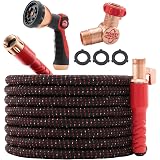
Pocket Hose Ballistic 100 FT Expandable Garden Hose, No-Kink, As Seen on TV | Anti-burst sleeve reinforced with bulletproof fiber, 360° swiveling pocket pivot connector, lightweight compact design
$69.99 (as of August 30, 2026 00:00 GMT +00:00 – More infoProduct prices and availability are accurate as of the date/time indicated and are subject to change. Any price and availability information displayed on [relevant Amazon Site(s), as applicable] at the time of purchase will apply to the purchase of this product.)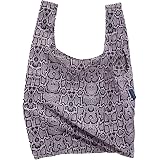
BAGGU Standard Reusable Shopping Bag, Ripstop Nylon Grocery Tote or Lunch Bag
$50.02 (as of August 30, 2026 00:00 GMT +00:00 – More infoProduct prices and availability are accurate as of the date/time indicated and are subject to change. Any price and availability information displayed on [relevant Amazon Site(s), as applicable] at the time of purchase will apply to the purchase of this product.)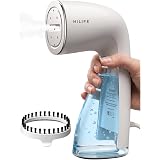
HiLIFE Steamer for Clothes, 1100W Handheld Portable Steamer, 120V Only | 1100W powerful steam, 30S fast heat-up, 300ml tank, leak-proof design for easy wrinkle removal at home or while traveling.
$29.99 (as of August 30, 2026 00:00 GMT +00:00 – More infoProduct prices and availability are accurate as of the date/time indicated and are subject to change. Any price and availability information displayed on [relevant Amazon Site(s), as applicable] at the time of purchase will apply to the purchase of this product.)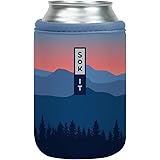
Sok It CanSok Sleeve for Beer & Soda Insulated Neoprene Cover (Blue Ridge, 12oz Can Sleeve)
$13.99 (as of August 30, 2026 00:00 GMT +00:00 – More infoProduct prices and availability are accurate as of the date/time indicated and are subject to change. Any price and availability information displayed on [relevant Amazon Site(s), as applicable] at the time of purchase will apply to the purchase of this product.)



Leave a Reply