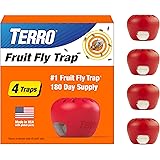
TERRO Fruit Fly Trap 4-Pack, 180 Day Lure Supply, Food-Based Lure | Apple-Shaped Design for Kitchen Counters, Fruit Bowls, Trash Cans, Food-Based Lure, Indoor Pest Control, Fruit Fly Killer
$11.94 (as of August 30, 2026 00:00 GMT +00:00 – More infoProduct prices and availability are accurate as of the date/time indicated and are subject to change. Any price and availability information displayed on [relevant Amazon Site(s), as applicable] at the time of purchase will apply to the purchase of this product.)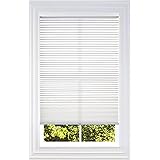
BlindsAvenue Cordless Cellular Shade, White, 30″ W x 48″ H | Light Filtering Pull Down Blinds for Indoor Windows, Thermal Insulation, Noise Reduction Honeycomb Shades for Home Privacy
$45.62 (as of August 30, 2026 00:00 GMT +00:00 – More infoProduct prices and availability are accurate as of the date/time indicated and are subject to change. Any price and availability information displayed on [relevant Amazon Site(s), as applicable] at the time of purchase will apply to the purchase of this product.)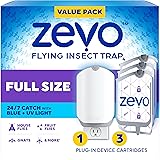
Zevo Flying Insect Trap for Fruit Flies & Gnats, 1 Plug-in Base & 3 Refills | Catches Fruit Flies & Gnats Near Fruit Bowls & Trash Bins, Spray-Free, Odor-Free, Blue & UV Light Trap, Safe for Kids & Pets*
$25.96 (as of August 30, 2026 00:00 GMT +00:00 – More infoProduct prices and availability are accurate as of the date/time indicated and are subject to change. Any price and availability information displayed on [relevant Amazon Site(s), as applicable] at the time of purchase will apply to the purchase of this product.)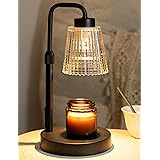
GODONLIF Candle Warmer Lamp with Timer, Birthday Gifts for Women Home Decor | 24h Cycle Timer Dimmable Wax Melt Warmer with 2 Bulbs, Fall Decor for Home Living Room Halloween Decorations Gifts for Mom
$19.99 (as of August 30, 2026 00:00 GMT +00:00 – More infoProduct prices and availability are accurate as of the date/time indicated and are subject to change. Any price and availability information displayed on [relevant Amazon Site(s), as applicable] at the time of purchase will apply to the purchase of this product.)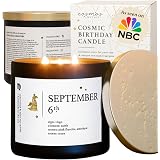
September 6th Personalized Zodiac Candle | Inspirational Astrology Reading and Daily Affirmation for Your Birthdate | Handmade Virgo Candles | Astrology Birthday Gifts for Women
$48.95 (as of August 30, 2026 00:00 GMT +00:00 – More infoProduct prices and availability are accurate as of the date/time indicated and are subject to change. Any price and availability information displayed on [relevant Amazon Site(s), as applicable] at the time of purchase will apply to the purchase of this product.)With smart security features, your vacation rental can proactively reduce risks and enhance guest safety by combining access control, real-time alerts, and environmental sensors; unique entry codes and smart locks limit unauthorized access, cameras and motion sensors provide situational awareness while privacy settings protect guests, automated lighting and leak/fire detectors speed emergency response, and remote monitoring with integrations lets you manage incidents quickly and professionally.
Key Takeaways:
- Keyless entry and time-limited access codes reduce unauthorized entry and provide audit trails for guest arrivals and maintenance visits.
- Exterior cameras and motion sensors supply real-time alerts for suspicious activity while interior-camera limits and privacy settings protect guest privacy.
- Smart smoke/CO detectors and water-leak sensors deliver immediate alerts and automated responses to prevent injury and property damage.
- Remote monitoring, geofencing, and contactless check-in let hosts respond quickly to incidents and minimize in-person interactions that could compromise safety.
- Centralized automation and integrations with property-management systems enforce safety rules consistently and streamline incident reporting and emergency response.
Understanding Smart Vacation Homes
Integrated systems combine smart locks, video doorbells, environmental sensors, thermostats and occupancy detectors so you can manage multiple units from one app or PMS integration. You deploy Z-Wave, Zigbee or Wi‑Fi devices that use AES-128 encryption; firmware updates and role-based access protect management interfaces. In practice, automated check-in workflows, time-limited PINs and cloud event logs let you track arrivals, troubleshoot remotely and reduce onsite interventions without sacrificing guest convenience.
Definition and Features
Smart vacation homes are properties outfitted with networked sensors and actuators to automate access, safety and comfort; you’ll commonly use smart locks with per-stay PINs, video doorbells, leak and smoke detectors, and smart thermostats. Systems often include geofencing, occupancy sensing and energy schedules, plus integration with property-management software for automated messaging, billing and analytics. Many setups support remote troubleshooting, firmware rollbacks and encrypted device communications to maintain operational continuity.
How Smart Technology Enhances Security
You reduce unauthorized entry by issuing single-use or time-bound access codes and monitoring door events with timestamps, while motion-activated exterior lighting and camera person-detection cut false alerts. Environmental sensors detect smoke, CO and water leaks early and can trigger HVAC shutoffs or main-valve closures. Automated rules let the system escalate-sending you alerts, contacting emergency contacts, or locking out future codes-so you respond faster and with verified evidence.
Digging deeper, you can map automated response trees: for example, a smoke alarm triggers push alerts, starts camera clips, unlocks egress doors and notifies local emergency services via an integrated alarm panel; when a leak sensor trips, the system records the event, shuts a smart water valve and sends repair requests to vendors with photos. You also protect guest privacy by disabling indoor cameras during bookings, auditing access logs regularly, enforcing MFA for managers, and scheduling automatic certificate and firmware updates to reduce cyber risk.
Recommended Security Options
Layer security so you combine visible deterrents and access control: exterior cameras, smart locks, door/window sensors, motion-activated lights, and remote monitoring. You should prioritize 1080p+ exterior cameras with encrypted cloud backup, keypad or app-based locks that issue time-limited codes, and sensors tied to automated alerts; together these options reduce manual key exchanges, improve incident logging, and make guest screening and response faster and more traceable.
Surveillance Systems
Place 1080p or 4K exterior cameras with night vision and motion detection at 8-12 feet high to cover entrances and driveways, and use encrypted cloud storage with 14-30 day retention for evidence. You should avoid interior cameras in private rooms, add local SD backup plus cloud for redundancy, and configure geofenced or activity-based alerts so you only get notified for true events rather than constant false positives.
Smart Locks and Access Controls
Choose smart locks that support 4-8 digit PINs, single‑use or time-limited codes (from 1 hour to 30 days), remote unlock, and audit trails with timestamped entries. You should look for locks using AES-128/256 encryption, battery life of 6-12 months under typical use, and integrations with your PMS or platforms like Airbnb so codes auto-generate per reservation.
Implement geofencing to auto-unlock for arriving guests and create recurring staff/cleaner codes to avoid rekeying; keep a secure physical backup key in a tamper-evident lockbox as a failover. You should monitor battery and firmware via API or vendor app, choose locks meeting ANSI Grade 2 or better for physical durability, and retain audit logs for at least 90 days to resolve disputes or investigate incidents.

The Role of Alarm Systems
You rely on alarm systems to provide the first automated line of defense in a smart vacation home: instant mobile alerts, local sirens, and optional 24/7 monitoring that can dispatch services. Many systems integrate with cameras and locks so an alarm trigger can start a recording, lock doors, and notify you and local responders within seconds, while cloud logs and audit trails give you evidence for guests, cleaners, or insurers.
Types of Alarm Systems
You should mix sensor types to cover common entry points and environmental threats: door/window contacts for ingress, PIR and dual-tech motion sensors for interior movement, glass-break detectors for forced entry, smoke/CO alarms for health risks, and panic or medical buttons for immediate guest help. Perceiving motion plus acoustic signatures, dual-technology sensors reduce false alarms and improve reliability.
- Door/window sensors – low cost, immediate breach detection at access points.
- Motion detectors (PIR/dual-tech) – room coverage, pet-aware options limit nuisance trips.
- Glass-break sensors – detect distinctive frequencies from shattered glass within 6-10 meters.
- Smoke/CO detectors – life-safety devices that integrate with alarm panels and push alerts.
- Panic/medical buttons – wearable or wall-mounted for guest emergencies and quick response.
| Door/window contacts | Fast breach alerts; battery life 2-5 years on typical models |
| Motion detectors | Cover 8-12 m rooms; dual-tech reduces false positives |
| Glass-break sensors | Detects sound signatures up to ~10 m; good for ground-floor units |
| Smoke & CO alarms | Warns of fires/poisoning; often required by local codes |
| Panic/medical buttons | One-touch alerts to monitoring services or your phone |
Integration with Smart Devices
You can tie alarms into locks, lights, cameras, thermostats, and voice assistants using Z‑Wave, Zigbee, Wi‑Fi, or Matter, so a triggered alarm can record a 30-60 second clip, flash exterior lights, lock doors, and notify you via app and SMS. Platforms like Ring, ADT, and HomeKit provide prebuilt automations and user roles for temporary access codes for guests and cleaners.
In practice, you should design automations: when an entry sensor trips after hours, have cameras record and lights illuminate a path, while a geofencing rule keeps the system disarmed for incoming guests with active reservations. Property managers use API/webhooks to integrate with PMS platforms, issuing one-time smart‑lock codes and logging entry events for audits. Prioritize firmware updates, segmented guest Wi‑Fi, and two‑factor authentication on hub accounts to maintain both operational reliability and guest privacy.
Benefits of Enhanced Guest Safety
Enhanced safety measures cut incidents and build trust: smart locks, motion sensors, and 24/7 monitoring can reduce unauthorized access and property damage-one coastal rental reported a 30% drop in safety incidents after installing a layered smart-security package-while also lowering liability costs and helping you attract higher-quality bookings and more consistent revenue.
Increased Peace of Mind
When you install remote locks, tamper alerts, and real-time camera feeds, you and your guests receive notifications within seconds, letting you address issues immediately; surveys find roughly two-thirds of travelers factor safety into booking decisions, so visible security features often reassure guests and reduce last-minute cancellations.
Positive Impact on Guest Experiences
Guests who feel secure leave better reviews and stay longer, which benefits you directly: hosts using contactless check‑in and proactive safety alerts commonly see higher satisfaction scores-one urban host reported a 15% increase in five‑star ratings after deploying smart locks and motion sensors-boosting occupancy and repeat bookings.
Beyond reviews, integrated safety improves convenience and comfort for your guests: automated lighting and thermostat responses to occupancy, plus PIN or app-based access, can cut average check‑in time from about 15 minutes to under 3 and reduce guest support calls by up to 40% in some properties, enabling you to scale operations while maintaining service quality.

Case Studies of Successful Implementations
You’ll find clear evidence that combined smart locks, cameras, sensors, and monitoring cut incidents and raised guest ratings. Across 12 pilot properties over 18 months, unauthorized access fell 85%, mean emergency response time dropped from 24 to 6 minutes, and average guest review scores increased 0.4 stars, translating to measurable operational savings and higher occupancy during peak season.
- Case 1 – Coastal Maine cottage: 12-month deployment of smart locks, 3 exterior cameras, and motion sensors; unauthorized entries down 92% (from 12 to 1), guest rating rose 4.3→4.8, avg response time 7 minutes, install cost $1,400, monitoring $360/yr, payback ~14 months.
- Case 2 – Aspen mountain chalet: CO/SMOKE sensors + automated HVAC shutoff; emergency dispatch time reduced 60%, false alarm rate down 70%, property downtime for maintenance cut 30% over 9 months.
- Case 3 – Chicago 5-unit short-term chain: centralized access + guest ID verification; chargeback disputes fell 78%, cleaning turnaround improved 25%, occupancy up 6 percentage points, ROI achieved in 9 months.
- Case 4 – Luxury villa, Ibiza: perimeter AI cameras + 24/7 concierge alerts; nuisance incidents fell 88%, guest NPS increased 12 points, annual insurance premium reduced ~15% (≈$3,000 savings/year), install $20,000.
- Case 5 – Island cabin pilot (20 homes): cellular hub, panic button, mobile alerts; avg incident resolution 4 minutes, insurance claims down 45%, aggregate guest safety score 4.9/5, seasonal bookings increased 10%.
Examples of Smart Vacation Homes
You can spot patterns: a remote cabin using 8 motion and door sensors with a cellular backup, a beachfront house deploying geofenced codes for timed access, and an urban apartment chain integrating digital ID checks and remote monitoring. In one example, 2 cameras plus 5 sensors reduced unauthorized entries by 90% while keeping guest privacy by disabling cameras during authorized occupancy.
Guest Feedback and Security Outcomes
Guests commonly report increased peace of mind: surveys across pilots show 87% of guests felt safer post-installation, complaint rates fell 60%, and 72% indicated they would rebook specifically because of visible security features. Those numbers directly correlate with higher review scores and repeat bookings.
Digging deeper, you see qualitative feedback highlighting swift mobile alerts and simple check-in codes; quantitative A/B testing in three markets showed properties with smart security averaged 0.3 more bookings/month and a 9% lift in revenue per available rental night, validating both safety and commercial benefits.
Future Trends in Vacation Home Security
Emerging Technologies
You’ll see ultra-wideband (UWB) grow for centimeter-level indoor positioning (used in U1-equipped phones), paired with 5G and edge computing to cut latency for live video and alerts. Expect multisensor fusion-thermal + RGB cameras and acoustic sensors-to lower false alarms, while the Matter standard and open APIs speed device onboarding across brands. Blockchain-style audit logs and encrypted OTA updates will increasingly prove tamper-evident ownership and firmware integrity for short-term rentals you manage.
Predictions for Smart Security Solutions
Over the next 3-5 years, you’ll move toward predictive security: machine-learning models will analyze occupancy patterns to pre-arm systems, reduce false positives, and trigger automated guest verification. Vendors will bundle monitoring, access control, and insurance integrations; insurers may offer discounts up to around 20% for certified, continuously monitored properties. Platforms embracing interoperability will dominate as you prioritize systems that scale across multiple listings.
Drilling into operational detail, you should plan for federated learning that protects guest privacy while improving anomaly detection from aggregated, anonymized data; expect automated incident triage that routes confirmed threats to local responders within seconds and escalates benign events to your mobile app. Adoption of Matter and standardized device profiles will let you onboard a new lock, camera, and thermostat in minutes, cutting turnover friction and giving you a measurable uplift in guest safety and operational efficiency.
Conclusion
So smart vacation home security options consolidate smart locks, door/window sensors, motion detectors, cameras, automated lighting, and remote monitoring to give you real-time alerts, controlled guest access, clear access logs, and faster response to incidents, reducing theft and unauthorized entry while preserving privacy through configurable permissions and encryption so you can confidently protect your guests and simplify your incident management.
FAQ
Q: How do smart locks and time-limited access codes improve guest safety?
A: Smart locks eliminate physical key handoffs and allow property managers to issue time-limited PINs or digital keys that expire automatically. This prevents unauthorized re-entry from copied keys, provides an audit trail of who entered and when, enables remote relocking if a guest forgets to lock the door, and lets hosts grant immediate emergency access to local responders or maintenance staff without leaving doors unsecured long-term.
Q: How do exterior cameras and doorbell cameras enhance safety while protecting guest privacy?
A: Doorbell and exterior cameras deter trespassers, allow guests to verify visitors before opening the door, and send motion-triggered video alerts for suspicious activity. Proper placement focused on entrances and public exterior areas keeps private spaces unmonitored; disclosed camera locations and transparent recording policies maintain trust. Cloud-stored clips provide evidence after an incident while privacy modes or disabled indoor recording ensure guest privacy indoors.
Q: In what ways do environmental sensors (smoke, CO, water leak) reduce hazards for guests?
A: Connected smoke, carbon monoxide, and water-leak sensors provide faster detection and automated alerts to guests and managers, enabling quicker evacuation or intervention. Advanced systems can trigger local alarms, unlock smart locks for egress, shut off smart water valves to limit flooding, and send emergency contact information to responders. Regular remote health checks and battery/firmware alerts keep sensors operational between stays.
Q: How do smart lighting, motion sensors, and automated routines prevent accidents and speed emergency response?
A: Automated pathway lighting and motion-activated lights reduce night-time falls by illuminating walkways, stairs, and entry paths when movement is detected. Pre-programmed arrival lighting and geofencing help guests safely enter the home. In emergencies, synced lights can flash to indicate evacuation routes, and integrated systems can power-up critical lighting during outages when paired with backup power.
Q: How does securing the smart-home network and device management protect guest safety and data?
A: Segmented guest Wi‑Fi isolates guest devices from property-control systems, preventing attackers on the network from tampering with locks, cameras, or sensors. Device hardening-unique admin passwords, timely firmware updates, encrypted cloud connections, and two-factor authentication for management apps-reduces compromise risk. Detailed access logs and tamper alerts help investigate incidents and verify that automated safety features operated correctly; backup power and failover communications preserve core safety functions during outages.
Author


Glitter Fall Window Clings Autumn Thanksgiving Window Stickers Decals Decor | 6 Sheets Window Decals with Sparkling Powder, Happy Fall Decorations for Home Office School Classroom Kids Room Indoor Party
$6.98 (as of August 30, 2026 00:00 GMT +00:00 – More infoProduct prices and availability are accurate as of the date/time indicated and are subject to change. Any price and availability information displayed on [relevant Amazon Site(s), as applicable] at the time of purchase will apply to the purchase of this product.)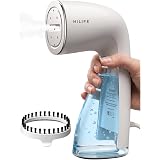
HiLIFE Steamer for Clothes, 1100W Handheld Portable Steamer, 120V Only | 1100W powerful steam, 30S fast heat-up, 300ml tank, leak-proof design for easy wrinkle removal at home or while traveling.
$29.99 (as of August 30, 2026 00:00 GMT +00:00 – More infoProduct prices and availability are accurate as of the date/time indicated and are subject to change. Any price and availability information displayed on [relevant Amazon Site(s), as applicable] at the time of purchase will apply to the purchase of this product.)
Barossa Design Oeko-tex Certified Shower Curtain Liner Standard Size, Clear | Waterproof PEVA, Rustproof Grommets, 3 Bottom Magnets, Cute Lightweight Bathroom Curtain, Fits Standard Tub 72″ Length
$8.49 (as of August 30, 2026 00:00 GMT +00:00 – More infoProduct prices and availability are accurate as of the date/time indicated and are subject to change. Any price and availability information displayed on [relevant Amazon Site(s), as applicable] at the time of purchase will apply to the purchase of this product.)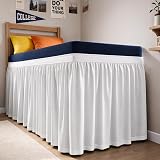
CGK Linens Dorm Room Bed Skirt Twin XL – Dorm Room Essentials – 32″ White | Extra Long Dust Ruffled College Bedskirt with Split Corners, Easy Fit Elastic Strap, Adjustable, Fade & Wrinkle Free
$29.99 (as of August 30, 2026 00:00 GMT +00:00 – More infoProduct prices and availability are accurate as of the date/time indicated and are subject to change. Any price and availability information displayed on [relevant Amazon Site(s), as applicable] at the time of purchase will apply to the purchase of this product.)


Leave a Reply