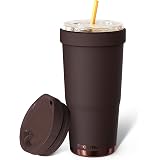
Frost Buddy Togo Buddy 30oz Iced Coffee Tumbler – ONE Lid (Espresso) | Insulated Iced Coffee Tumbler & Cup Sleeve for Iced Coffee Cups with Lids, Insulated Cup, Travel Mug
AUD 56.85 (as of October 26, 2026 11:51 GMT +00:00 – More infoProduct prices and availability are accurate as of the date/time indicated and are subject to change. Any price and availability information displayed on [relevant Amazon Site(s), as applicable] at the time of purchase will apply to the purchase of this product.)
1PC Stainless Steel Colander Spoon, Noodle Strainer for Kitchen Cooking, Silver
(as of October 26, 2026 11:51 GMT +00:00 – More infoProduct prices and availability are accurate as of the date/time indicated and are subject to change. Any price and availability information displayed on [relevant Amazon Site(s), as applicable] at the time of purchase will apply to the purchase of this product.)
BigFoot Clear Shower Curtain – 72×72 Odorless Plastic with Magnets, Washable Long Bathroom Curtain – Premium PEVA Waterproof Bath Curtain, Rust-Proof Bathroom Essentials
AUD 17.04 (as of October 26, 2026 11:51 GMT +00:00 – More infoProduct prices and availability are accurate as of the date/time indicated and are subject to change. Any price and availability information displayed on [relevant Amazon Site(s), as applicable] at the time of purchase will apply to the purchase of this product.)
upsimples 11×14 Picture Frame, Wall Decor Photo Frames, Black 1 Pack | 11 x 14 Frame, 8×10 Frame with Mat for Gallery Wall, Family, Baby, Dog, Dorm, Christmas
AUD 9.94 (as of October 26, 2026 11:51 GMT +00:00 – More infoProduct prices and availability are accurate as of the date/time indicated and are subject to change. Any price and availability information displayed on [relevant Amazon Site(s), as applicable] at the time of purchase will apply to the purchase of this product.)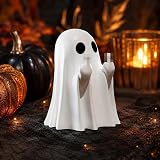
Halloween Ghost Figurine Ghost Decor Funny Ghost Statue Cute Ghost Figurine Ghost Statue Halloween Decoration for Gift Props Tabletop Home Decor New Year’s Gifts
(as of October 26, 2026 11:51 GMT +00:00 – More infoProduct prices and availability are accurate as of the date/time indicated and are subject to change. Any price and availability information displayed on [relevant Amazon Site(s), as applicable] at the time of purchase will apply to the purchase of this product.)With the rise of technology in property management, biometric locks are emerging as a cutting-edge option for securing Airbnb rentals. You may wonder how these advanced locking systems can enhance your holiday experience and the overall safety of your accommodations. By integrating features like fingerprint scanning or facial recognition, biometric locks streamline access while minimizing key-related challenges. This blog post explores the benefits and potential drawbacks of adopting biometric locks, helping you determine if they are the right fit for your next Airbnb getaway.
Key Takeaways:
- Biometric locks enhance security by using unique physical traits for access, reducing reliance on keys and codes.
- Implementing biometric technology can streamline check-in processes for guests, improving overall user experience.
- Airbnb hosts may see increased demand as biometric locks provide a modern, tech-savvy appeal to potential renters.
- Challenges include the initial cost of installation and potential privacy concerns among users.
- As the technology advances, widespread adoption could become a standard in rental properties, enhancing property management efficiency.

Understanding Biometric Lock Technology
Biometric lock technology utilizes your unique physical attributes to enhance security in access management. By analyzing traits such as fingerprints, facial recognition, or retinal patterns, these locks ensure that only authorized individuals can gain entry. This technology offers an innovative solution to the limitations often associated with traditional locking mechanisms, making your Airbnb experiences safer and more convenient.
Types of Biometric Locks
Choosing the right biometric lock for your Airbnb can enhance guest safety significantly. Here are common types:
- Fingerprint locks
- Facial recognition locks
- Retina scanners
- Voice recognition locks
- Hybrid locks (combining multiple biometric methods)
Thou must consider the level of security each type offers based on your specific needs.
| Type | Features |
| Fingerprint | Fast access, compact design |
| Facial Recognition | Non-contact, user-friendly |
| Retina Scanner | Highly secure, complex technology |
| Voice Recognition | Hands-free access, unique to individual |
| Hybrid | Combines security features for added protection |
How Biometric Locks Work
Biometric locks operate by capturing and analyzing your unique biological traits, transforming them into digital templates for secure access. When you attempt to unlock a door, the device scans your fingerprint or other trait and compares it to the stored data. If a match is found, access is granted. This method not only increases safety but also streamlines the check-in process for guests, eliminating the need to manage physical keys.
In-depth, the technology relies on advanced algorithms that process your biometric data accurately and rapidly. For example, fingerprint locks use capacitive sensors to generate electrical signals from the ridges of your finger, which is then matched against the stored templates. Facial recognition locks capture multiple features of your face to create a unique profile, allowing quick verification. Retina scanners illuminate your eye’s unique patterns, providing a high level of security. Each of these methods offers distinct advantages, ensuring you can choose the best fit for your property and enhance the guest experience significantly.
Advantages of Biometric Locks for Airbnb Hosts
Investing in biometric locks provides Airbnb hosts with significant advantages that enhance both security and guest experience. These advanced locking systems not only eliminate the hassle of traditional keys but also offer a higher level of access control. As a host, you can customize access for guests, monitor entries in real-time, and even remove access instantly when needed, creating a seamless and secure stay for everyone involved.
Enhanced Security Features
Biometric locks utilize unique identifiers, such as fingerprints or facial recognition, making unauthorized access significantly more difficult. Unlike traditional keys that can be copied or lost, your biometric data is unique and virtually impossible to replicate. This technology also enables you to track who enters and exits your property, providing a detailed access log that enhances the overall security of your Airbnb.
Convenience for Guests
For your guests, biometric locks eliminate the inconvenience of misplaced keys or the need to coordinate key exchanges. They can gain access using their fingerprints or face ID, simplifying the check-in process. This not only increases customer satisfaction but may also lead to positive reviews and repeat bookings.
The convenience extends to flexible arrival times. Guests can arrive at their leisure without worrying about sticking to a specific check-in schedule, allowing them to explore your location at their own pace. This feature particularly appeals to tech-savvy travelers looking for an effortless, hassle-free experience, making your property stand out in a crowded market.
Current Trends and Adoption Rates
The integration of biometric locks into Airbnb properties is gaining momentum, driven by increasing concerns over security and the need for seamless check-in experiences. Recent surveys indicate that approximately 35% of hosts are considering smart locking solutions, with biometric options showing the fastest growth rate. As technology becomes more affordable and accessible, adoption rates are likely to climb, enhancing convenience for both hosts and guests.
Market Response to Biometric Technology
The market has embraced biometric technology with enthusiasm, as evidenced by a surge in product offerings from leading security companies. Airbnb hosts appreciate the reduced risk of unauthorized access and the appeal of tech-savvy accommodations. This trend is reflected in financial investments, where startups in the biometrics space attracted over $500 million in funding last year alone, signifying strong market confidence.
Case Studies of Successful Implementations
Several Airbnb hosts have successfully integrated biometric locks, showcasing tangible benefits. Reports suggest that those implementing these systems have experienced a 20% reduction in unauthorized access incidents and a notable improvement in guest satisfaction scores. These case studies highlight the effectiveness of biometric technology in real-world applications.
- Host in San Francisco: Implemented biometric locks in 2022, resulting in a 30% increase in bookings and zero security breaches reported.
- Property management company in Miami: After switching to biometrics, tenant complaints about lock issues decreased by 40% within six months.
- Host in New York City: Saw a 25% boost in positive reviews, specifically citing keyless entry convenience.
- Rural Airbnb in Colorado: Biometric locks led to a 15% decrease in operational costs due to reduced key replacement and security expenses.
- Host in Austin: Adoption of biometric locks contributed to a 10% increase in booking prices, leveraging enhanced security credibility.
The results from these various implementations indicate that biometric locks provide more than just security; they enhance guest experiences and operational efficiencies. By using advanced access controls, hosts have not only safeguarded their properties but also improved their overall market appeal and profitability, paving the way for a broader acceptance of this innovative technology in the hospitality sector.
Potential Challenges and Concerns
As biometric locks gain traction in the Airbnb market, several challenges and concerns must be addressed to ensure a seamless implementation. Issues surrounding privacy, technical limitations, and potential resistance from traditionalists could hinder widespread acceptance. Evaluating these aspects will help you make an informed decision about adopting this technology in your Airbnb property.
Privacy Issues
Storing biometric data inevitably raises privacy concerns for both hosts and guests. As a host, you need to consider how you will protect this sensitive information to prevent unauthorized access or data breaches. With increased scrutiny on data security laws and regulations, ensuring compliance can present another layer of complexity.
Technical Limitations
Biometric technology isn’t infallible, with limitations such as the accuracy of fingerprint recognition or the impact of environmental factors affecting performance. Occasionally, biometric systems can fail to recognize legitimate users, leading to accessibility problems for guests. You must weigh these technical challenges against the desired benefits to determine the suitability of biometric locks for your property.
For instance, fingerprint recognition can be hindered by dirt, moisture, or residue on your fingers, potentially causing frustration. There are also circumstances where the sensors may struggle due to temperature variations, impacting their reliability. Additionally, backup access methods must be in place to address scenarios where the biometric system fails, ensuring that guests can still gain entry without delay or inconvenience. Thus, thorough consideration of these technical hurdles is vital before fully committing to biometric systems in your Airbnb property.

Future of Biometric Locks in the Hospitality Industry
The future of biometric locks in the hospitality sector looks promising, as trends indicate a shift toward enhanced security and convenience. With the increasing adoption of smart technologies, these locks could soon become a standard feature in vacation rentals, offering streamlined access and improved guest experiences while reducing the risks of key theft or loss.
Predictions and Innovations
As you look ahead, expect innovations in biometric technology to continue evolving, enhancing functionalities such as facial recognition and vein pattern scanning. These advancements may lead to higher security levels and user-friendly interfaces, allowing guests to unlock doors seamlessly with minimal manual intervention.
Comparison with Traditional Lock Systems
Comparing biometric locks to traditional lock systems reveals significant distinctions in functionality and security. While traditional locks often rely on physical keys, biometric systems use unique human traits, making them more difficult to bypass. This shift enhances security for both hosts and guests, ensuring peace of mind during stays.
Comparison of Biometric Locks and Traditional Lock Systems
| Aspect | Biometric Locks |
|---|---|
| Security Level | High; unique to each individual |
| Convenience | Keyless entry; user-friendly |
| Maintenance | Requires battery; more tech-dependent |
| Cost | Generally higher upfront |
| Vulnerability | Less prone to unauthorized duplication |
Biometric locks outshine traditional lock systems primarily in security and convenience. With security levels tailored to individual users, these systems mitigate risks like unauthorized access, which is common with traditional keys. Additionally, the ease of keyless entry enhances the guest experience by eliminating the hassle of carrying or misplacing keys, ultimately streamlining the check-in process.
Detailed Comparison of Lock Systems
| Feature | Biometric Locks |
|---|---|
| User Access | Personalized fingerprint recognition |
| Multiple Users | Easy to grant and revoke access |
| Installation Flexibility | Can be integrated into existing smart home systems |
| Use Case | Ideal for high-traffic vacation rentals |
| Scalability | Suitable for multi-property management |
To wrap up
Presently, as you consider enhancements for your Airbnb property, adopting biometric locks may position your rental as a leading choice in a competitive market. These innovative security solutions not only streamline guest access but also provide peace of mind for both you and your visitors. With the growing emphasis on safety and convenience, integrating biometric technology can elevate your listing, attracting tech-savvy travelers eager for a modern, hassle-free experience. Embrace this emerging trend and ensure your property stands out for its security and ease of use.
FAQ
Q: What are biometric locks and how do they work?
A: Biometric locks use unique physical characteristics, such as fingerprints, facial recognition, or iris patterns, to grant access. They scan the individual’s biometric data and compare it to stored information to determine if access should be granted or denied.
Q: How can biometric locks enhance security for Airbnb properties?
A: By employing biometric technology, hosts gain a higher level of security since unauthorized individuals cannot easily duplicate biometric data. This minimizes the risk of key duplication or lock picking, offering peace of mind for both hosts and guests.
Q: Are biometric locks user-friendly for guests?
A: Yes, biometric locks are generally user-friendly, allowing guests to gain access quickly without fumbling for keys or codes. Once their biometric data is registered, they can enter the property seamlessly, enhancing the guest experience.
Q: What are the potential downsides of using biometric locks in Airbnb rentals?
A: Potential downsides include technical malfunctions that could lock out guests, the initial cost of installing biometric systems, and privacy concerns over storing biometric data, which requires careful handling and compliance with data protection regulations.
Q: How do biometric locks compare to traditional locks in terms of cost and maintenance?
A: While the upfront cost of biometric locks is usually higher than traditional locks, they may prove cost-effective over time through reduced maintenance and the absence of key replacement costs. Additionally, biometric locks typically require less frequent servicing, provided they are of good quality.
Author

BigFoot Clear Shower Curtain – 72×72 Odorless Plastic with Magnets, Washable Long Bathroom Curtain – Premium PEVA Waterproof Bath Curtain, Rust-Proof Bathroom Essentials
AUD 17.04 (as of October 26, 2026 11:51 GMT +00:00 – More infoProduct prices and availability are accurate as of the date/time indicated and are subject to change. Any price and availability information displayed on [relevant Amazon Site(s), as applicable] at the time of purchase will apply to the purchase of this product.)
Dehumidifiers for Home, 1000 Sq Ft Dehumidifier with 95oz Tank Auto Shutoff | Quiet for Bedroom, Bathroom and Basement with Sleep Mode 7-Color LED Light, Grey
AUD 85.26 (as of October 26, 2026 11:51 GMT +00:00 – More infoProduct prices and availability are accurate as of the date/time indicated and are subject to change. Any price and availability information displayed on [relevant Amazon Site(s), as applicable] at the time of purchase will apply to the purchase of this product.)
Cool Bat Blanket Hoodie, Wearable Bat Blanket for Adult, Halloween Costumes for Women, Halloween Pajamas Blanket, Cosplay Bat Cape Top
AUD 51.16 (as of October 26, 2026 11:51 GMT +00:00 – More infoProduct prices and availability are accurate as of the date/time indicated and are subject to change. Any price and availability information displayed on [relevant Amazon Site(s), as applicable] at the time of purchase will apply to the purchase of this product.)
TERRO Liquid Ant Killer Bait Stations, 12-Pack, Indoor Ant Traps, T300B | Borax Formula, Kills the Queen & the Entire Colony, Liquid Ant Baits Indoor, Kills Household Ants, Indoor Use
(as of October 26, 2026 11:51 GMT +00:00 – More infoProduct prices and availability are accurate as of the date/time indicated and are subject to change. Any price and availability information displayed on [relevant Amazon Site(s), as applicable] at the time of purchase will apply to the purchase of this product.)


Leave a Reply