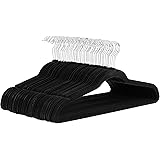
Amazon Basics Slim Velvet Non-Slip Space Saving Suit Clothes Hangers for Closet Organization, Black/Silver, 30-Pack
(as of October 26, 2026 11:51 GMT +00:00 – More infoProduct prices and availability are accurate as of the date/time indicated and are subject to change. Any price and availability information displayed on [relevant Amazon Site(s), as applicable] at the time of purchase will apply to the purchase of this product.)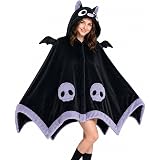
Cool Bat Blanket Hoodie, Wearable Bat Blanket for Adult, Halloween Costumes for Women, Halloween Pajamas Blanket, Cosplay Bat Cape Top
AUD 51.16 (as of October 26, 2026 11:51 GMT +00:00 – More infoProduct prices and availability are accurate as of the date/time indicated and are subject to change. Any price and availability information displayed on [relevant Amazon Site(s), as applicable] at the time of purchase will apply to the purchase of this product.)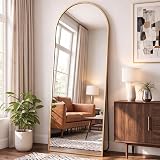
DUMOS 64″x21″ Arched Full Length Mirror with Stand, Full Body Floor Mirror | Shatterproof Tempered Glass, Modern Aluminum Alloy Frame, Free Standing or Leaning for Home Decor, Gold
(as of October 26, 2026 11:51 GMT +00:00 – More infoProduct prices and availability are accurate as of the date/time indicated and are subject to change. Any price and availability information displayed on [relevant Amazon Site(s), as applicable] at the time of purchase will apply to the purchase of this product.)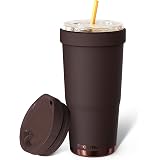
Frost Buddy Togo Buddy 30oz Iced Coffee Tumbler – ONE Lid (Espresso) | Insulated Iced Coffee Tumbler & Cup Sleeve for Iced Coffee Cups with Lids, Insulated Cup, Travel Mug
AUD 56.85 (as of October 26, 2026 11:51 GMT +00:00 – More infoProduct prices and availability are accurate as of the date/time indicated and are subject to change. Any price and availability information displayed on [relevant Amazon Site(s), as applicable] at the time of purchase will apply to the purchase of this product.)
EHEYCIGA Electric Heated Throw Blanket 50″x60″, Faux fur & sherpa , Grey | ETL certified with overheat protection, 9 Heat & 10H Auto-Off, 85-110°F, , Machine washable, Perfect for bed, office, couch
AUD 42.62 (as of October 26, 2026 11:51 GMT +00:00 – More infoProduct prices and availability are accurate as of the date/time indicated and are subject to change. Any price and availability information displayed on [relevant Amazon Site(s), as applicable] at the time of purchase will apply to the purchase of this product.)You want to ensure your Airbnb offers both convenience and security for your guests without adding complexity to your management routine. Implementing the right smart locks and alarm systems can not only streamline check-ins with keyless entry but also protect your property from unwanted incidents. In this post, you’ll explore top smart lock brands, learn the pros and cons of keyless solutions for short-term rentals, discover alarm systems that sync with booking calendars, and hear success stories from hosts who have enhanced their safety through technology.

Key Takeaways:
- Top smart lock brands like August, Yale, and Schlage offer reliable keyless entry options that enhance security and convenience for short-term rental hosts.
- Keyless entry provides benefits such as easy guest access and reduced risk of lost keys, though it may have drawbacks like reliance on battery life and potential hacking vulnerabilities.
- Integrating alarm systems with booking calendars helps automate security by activating alarms only during vacancy, reducing false alarms and streamlining property management.
- Hosts have reported success using technology to prevent unauthorized access and damage, improving guest screening and response times in case of issues.
- Choosing the right combination of smart locks and alarm systems tailored to the rental’s specific needs enhances overall safety while improving the guest experience.
Gatekeepers of Security: Ranking the Top Smart Lock Brands
Your Airbnb’s security hinges on reliable smart locks offering both convenience and control. Among the top contenders are August, Yale, Schlage, Kwikset, and Ultraloq, each delivering unique advantages. August impresses with seamless app control and easy installation, while Yale offers robust designs paired with Z-Wave integration. Schlage stands out for its hardened security features and built-in alarms, favored by hosts managing multiple units. Kwikset’s rekey technology appeals to those prioritizing quick physical overrides, and Ultraloq’s fingerprint access adds biometric sophistication. Choosing the right brand aligns with your rental’s setup and desired security sophistication.
Features That Matter: A Comparative Analysis
| Feature | Brands Excelling |
|---|---|
| Mobile App Control | August, Yale, Schlage |
| Keyless Entry Options (PIN, Bluetooth, Biometrics) | Ultraloq (biometrics), Schlage (PIN), Kwikset (rekey) |
| Integration with Home Automation | Yale (Z-Wave), August (Wi-Fi), Schlage (Z-Wave) |
| Built-in Alarm Systems | Schlage, Kwikset |
| Installation Ease | August, Ultraloq |
Brand Rankings: Who Comes Out on Top?
August leads with a user-friendly interface and widely praised app reliability, making it ideal for hosts needing remote guest access and real-time monitoring. Yale follows closely, especially valued for its security-grade hardware and smart home compatibility. Schlage ranks high for integrated alarm features and rugged build quality, favored in high-traffic rentals. Kwikset and Ultraloq offer niche advantages—biometric entry for Ultraloq and versatile physical key backups for Kwikset—making them compelling based on specific host preferences and security needs.
Host success stories frequently highlight August’s seamless integration with Airbnb calendars, automatically generating guest access codes tied to reservations—eliminating manual key exchanges. Meanwhile, Schlage’s built-in alarms have prevented unauthorized entries in cases where guests attempted early check-ins. Yale’s ability to pair with extensive home automation systems offers hosts layered security, controlling lighting and alarms for enhanced peace of mind. Matching these brands’ standout features to your Airbnb’s layout and turnover flow can transform your property’s security from vulnerable to virtually foolproof.
Keyless Entry Benefits and Drawbacks: A Double-Edged Sword
Keyless entry systems simplify guest access while enhancing security, but they come with trade-offs. Brands like August, Yale, and Schlage offer remote access, temporary codes, and integration with smart home hubs, reducing lockouts and lost keys. However, reliance on Wi-Fi or battery power can create vulnerabilities, and occasional app glitches may confuse guests. Balancing convenience with reliable technology and backup options can prevent access issues and unauthorized entry in your rental.
Enhancing Guest Experience While Mitigating Risks
Providing seamless check-ins with auto-generated access codes based on booking calendars adds a professional touch that guests appreciate. Integration between smart locks and platforms like Airbnb or Vrbo allows you to schedule code activation precisely, minimizing human error and security gaps. While these systems reduce the need for physical interaction, pairing them with clear instructions and real-time tech support helps avoid confusion and ensures guests feel confident and safe throughout their stay.
Considerations for Short-Term Rental Hosts
Choosing a smart lock means weighing cost, usability, and integration features. Systems like Schlage Encode offer built-in Wi-Fi and voice assistant compatibility but come with a higher price tag, while Yale Assure locks focus on customizable access codes and strong tamper resistance at a mid-range cost. Battery life typically ranges from six months to a year; monitoring power levels remotely prevents lockouts. Consider locks with audit trails, so you track who enters and when, enhancing accountability for your property.
Expanding on host concerns, selecting a lock with reliable booking calendar sync can automate guest access without manual code changes, vital for managing multiple back-to-back bookings. Some hosts have reported that August locks combined with alarm systems like Ring Alarm provide layered security, alerting them to unusual activity and enabling quick intervention. Backup options such as physical keys or keypad overrides are advisable, especially if your primary lock depends on unstable Wi-Fi or app connectivity. Factoring in guest tech savviness and including easy-to-follow guides reduces support requests and negative reviews stemming from access frustrations.
Alarm Integration: The Next Level of Security
Combining smart locks with alarm systems offers a seamless layer of security for your rental, bridging access control with real-time monitoring. Brands like SimpliSafe and Ring provide comprehensive packages that trigger alarms if unauthorized entry is detected after a booking ends, reducing overlap risks. Integration keeps you informed instantly via app notifications, allowing swift action if sensors detect door forced entry or tampering. These combos extend beyond convenience — they actively deter break-ins while syncing with guest turnover schedules, maximizing protection tailored specifically to short-term rental dynamics.
Smart Alarm Systems That Sync with Booking Calendars
Systems like Abode and Simplisafe now offer native integrations with Airbnb and VRBO calendars, automatically arming or disarming alarms based on guest check-in and check-out times. This automation eliminates the need for manual security toggling, lowering human error. For example, when your guest checks out, the system reactivates the alarm within minutes, ensuring your property is protected even if you’re handling multiple bookings simultaneously. This synchronization also allows temporary user codes generation to align precisely with reservations, enhancing both guest convenience and your peace of mind.
The Benefits of Centralized Control for Hosts
Centralized security platforms consolidate smart locks, cameras, and alarms into a single app, streamlining management of multiple properties. Hosts gain immediate insight into who’s accessing a unit and receive instant alerts if anything unusual occurs. Control features include remotely granting access, scheduling lock codes, or triggering alarms without switching between different apps. This efficiency helps hosts manage risks proactively and maintain smooth guest experiences across varied locations, even when hosting remotely.
Expanding on centralized control, platforms like Yale Access and August Home support multi-property management on one dashboard, making it easier to oversee guest activity at scale. You can analyze access logs for each property, set customized permission levels for cleaning crews or maintenance teams, and even integrate voice assistants for hands-free operation. This consolidated approach not only saves time but also strengthens your ability to respond quickly to incidents, making tech a powerful ally in your hosting toolkit.
Real-World Applications: Success Stories from Savvy Hosts
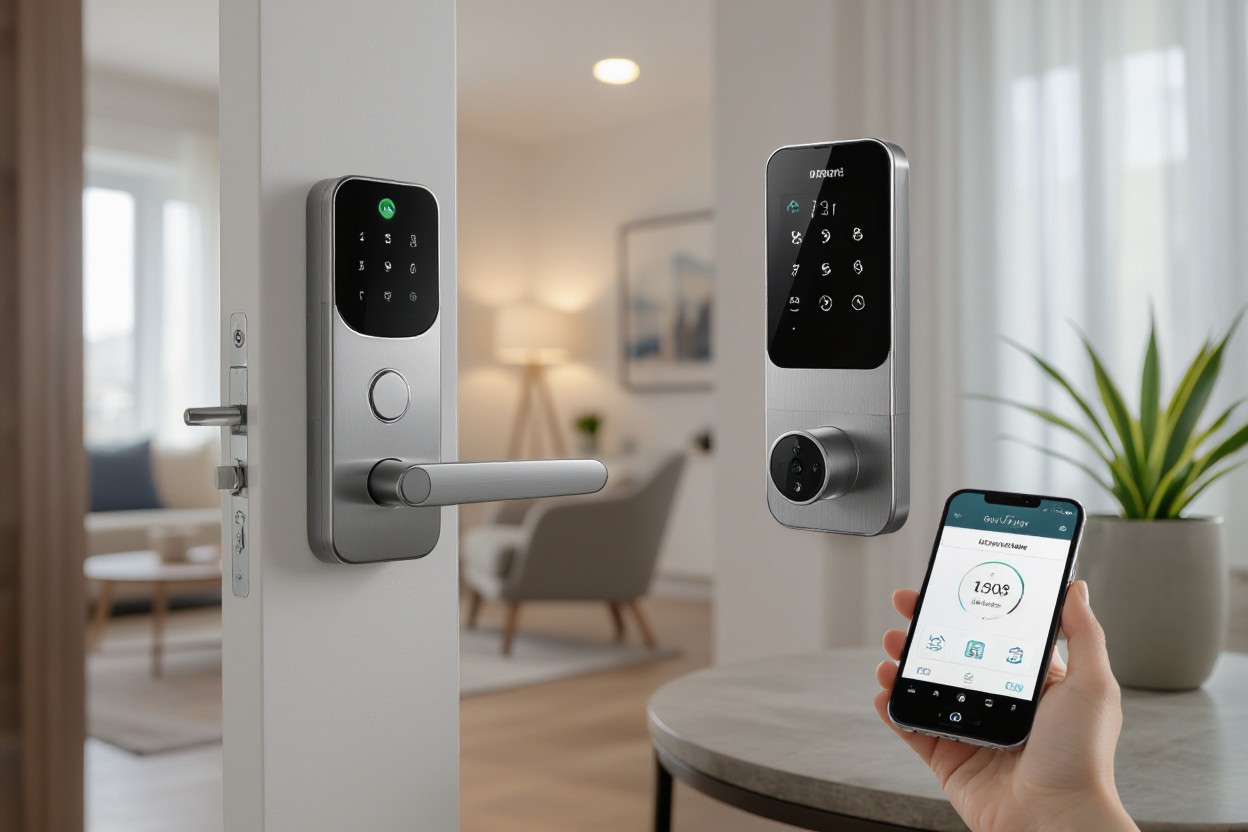
Hosts leveraging smart locks and integrated alarm systems share compelling stories where technology directly prevented booking mishaps and enhanced guest experiences. One Airbnb host in Seattle credited August smart locks paired with a booking calendar-integrated alarm for eliminating unauthorized entries entirely, while another in Austin saw a 20% bump in positive reviews after upgrading to Yale locks with automated access codes. These real-world cases show how investing in intelligent security doesn’t just simplify logistics but actively safeguards your property and reputation.
How Technology Resolved Guest Issues
Automated access control helped a New York host swiftly resolve a lockout incident by remotely generating a unique code for a late-arriving guest, avoiding disruptive exchanges. Another California host used integrated alarms synced to booking dates to detect and deter a previously unknown trespasser, resulting in immediate alert notifications to both host and authorities. These technologies turn reactive problems into manageable situations without constant supervision.
The Impact of Smart Security on Ratings and Revenue
Hosts report that smart locking systems and seamless integration with alarm tools reduce guest anxiety and increase confidence, often reflected in higher review scores. One Miami host saw a direct correlation between installing Schlage smart locks and a 15% rise in occupancy rates, attributing smoother check-ins and better security as key factors encouraging repeat bookings.
Consistent positive guest feedback tied to smart lock usage not only boosts your listing’s ranking but also fosters trust that leads to longer stays and premium pricing. Integrations that sync with booking calendars minimize errors like double bookings, creating a frictionless guest experience that guests actively appreciate. Over time, the combined impact of improved safety and efficiency has a measurable effect on your income, transforming smart security from a simple upgrade into a powerful revenue driver.
Strategic Tips for Optimizing Home Security in Rentals
- Combine smart locks from trusted brands like August or Schlage with alarm systems that sync automatically with your booking calendar to control access precisely.
- Regularly update all firmware and change access codes after every guest to prevent unauthorized entry.
- Install doorbell cameras that notify you in real time to monitor arrivals and deter potential issues.
- Use geofencing features where available to trigger security modes based on guest check-in and check-out times.
Assume that layering multiple security technologies can minimize risks without burdening your guests or complicating your management workflow.
Best Practices for Implementing Smart Locks and Alarms
Integrating smart locks like Yale or Schlage with alarm systems that sync to your Airbnb calendar ensures seamless guest access without quarantine for keys. Assign temporary PINs or virtual keys that expire immediately after each stay. Test your systems regularly and provide guests with clear instructions on usage and troubleshooting to reduce support calls. Enabling notifications helps you respond quickly to suspicious activity. Using platforms like SmartThings or Alarm.com can simplify managing both door security and alarms through a single app interface, streamlining your entire rental security setup.
Addressing Common Concerns and Misconceptions
Smart locks are not infallible and don’t eliminate all risks, but they drastically reduce unauthorized access compared to traditional keys. Concerns about technical failures can be mitigated with backup mechanical keys or battery alerts sent directly to your phone. Some hosts worry about guest privacy with monitoring devices, yet limiting camera placement to entrances and public spaces balances security with privacy. Costs might seem high at first, but many hosts recoup investment through fewer lockouts and less property damage. Assume that understanding these points helps you select tech that fits your rental’s unique needs.
Additional clarity on common concerns includes the fact that battery life in brands like August’s smart locks averages around six months, reducing frequent maintenance. Encryption standards used in high-ranking locks combat hacking risks effectively. Guest complaints usually surface around complexity, so intuitive apps with well-documented guest guides prevent frustration. Cameras placed only outside and visible reduce liability and improve guest comfort. Lastly, integrating alarms with booking calendars prevents false alarms during guest turnover, a frequent cause of annoyance for hosts and neighbors alike. Addressing such nuances early helps optimize your investment.
Is Your Airbnb Safe Enough? The Best Smart Locks and Alarm Systems Ranked
Hence, you can elevate your Airbnb’s security by choosing smart locks like August, Yale, or Schlage that suit your rental needs, while integrating alarm systems that sync with your booking calendar to prevent unauthorized access. Balancing convenience with safety, keyless entry offers flexibility but requires careful management. By leveraging technology and learning from host success stories, you ensure your property remains secure and your guests have a seamless experience, ultimately protecting your investment and peace of mind.
FAQ
Q: What are some of the top smart lock brands suitable for Airbnb hosts?
A: Leading smart lock brands for Airbnb hosts include August, Yale, Schlage, Kwikset, and Ultraloq. These brands offer reliable keyless entry options, easy guest access management, and strong security features that help hosts manage short-term rentals efficiently.
Q: What are the advantages and disadvantages of using keyless entry for short-term rentals?
A: Keyless entry provides guests with convenient, contactless check-in and eliminates the need for physical keys, reducing lost key issues. However, potential downsides include reliance on battery life, possible connectivity problems, and the need for guests to be comfortable using technology.
Q: How do alarm systems that integrate with booking calendars benefit property hosts?
A: Alarm systems integrated with booking calendars can automatically arm or disarm based on guest check-in and check-out times, enhancing security without manual intervention. This automation minimizes the risk of false alarms and ensures the property is secure when unoccupied.
Q: Can smart locks and alarm systems help prevent common issues in short-term rentals?
A: Yes, using smart locks along with integrated alarm systems can deter unauthorized access, curb property misuse, and provide real-time notifications of suspicious activity. Many hosts report fewer incidents of key loss, unauthorized entry, and disturbances after adopting these technologies.
Q: Are there any host success stories highlighting the benefits of smart home technology in Airbnb rentals?
A: Numerous hosts have shared success stories where smart locks and alarm systems helped streamline guest access, reduce security incidents, and improve overall guest satisfaction. For example, some hosts have avoided lockouts during peak check-in times and prevented unauthorized parties through timely alerts.
Author

36 Sets Halloween Ghost Gifts Boo Positive Party Favors for Adults | Ghost Stress Balls with Boxes, Wearing Wizard Hat, Relief Desk Decor trinkets, for Employee Coworker Friends
(as of October 26, 2026 11:51 GMT +00:00 – More infoProduct prices and availability are accurate as of the date/time indicated and are subject to change. Any price and availability information displayed on [relevant Amazon Site(s), as applicable] at the time of purchase will apply to the purchase of this product.)
Ultrasonic Pest Rodent Repeller, Mouse Squirrel Ant Roach Spider Repellent | Plug-in Pest Control Alternative to Traps and Poison for Home, Office, Garage, Barn and Warehouse, Black 1 Pack
AUD 56.85 (as of October 26, 2026 11:51 GMT +00:00 – More infoProduct prices and availability are accurate as of the date/time indicated and are subject to change. Any price and availability information displayed on [relevant Amazon Site(s), as applicable] at the time of purchase will apply to the purchase of this product.)
Barossa Design Oeko-tex Certified Shower Curtain Liner Standard Size, Clear | Waterproof PEVA, Rustproof Grommets, 3 Bottom Magnets, Cute Lightweight Bathroom Curtain, Fits Standard Tub 72″ Length
(as of October 26, 2026 11:51 GMT +00:00 – More infoProduct prices and availability are accurate as of the date/time indicated and are subject to change. Any price and availability information displayed on [relevant Amazon Site(s), as applicable] at the time of purchase will apply to the purchase of this product.)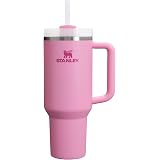
STANLEY Quencher H2.0 Flow State Tumbler, 40 oz, Peony | Handle and Straw | 3-Position Lid | Cup Holder Compatible for Travel | Insulated Stainless Steel Cup | BPA-Free
(as of October 26, 2026 11:51 GMT +00:00 – More infoProduct prices and availability are accurate as of the date/time indicated and are subject to change. Any price and availability information displayed on [relevant Amazon Site(s), as applicable] at the time of purchase will apply to the purchase of this product.)



Leave a Reply