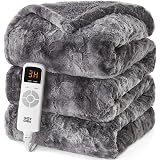
EHEYCIGA Electric Heated Throw Blanket 50″x60″, Faux fur & sherpa , Grey | ETL certified with overheat protection, 9 Heat & 10H Auto-Off, 85-110°F, , Machine washable, Perfect for bed, office, couch
AUD 42.62 (as of October 26, 2026 11:51 GMT +00:00 – More infoProduct prices and availability are accurate as of the date/time indicated and are subject to change. Any price and availability information displayed on [relevant Amazon Site(s), as applicable] at the time of purchase will apply to the purchase of this product.)
FAOGO Cordless Handheld Vacuum Cleaner, 2-in-1 Vacuum & Blower, 36000Pa Suction Brushless Motor, Car Vacuum with LED Light, Lightweight, Covers for Car, Home, Office and Outdoor Use, Carbon Black
AUD 56.83 (as of October 26, 2026 11:51 GMT +00:00 – More infoProduct prices and availability are accurate as of the date/time indicated and are subject to change. Any price and availability information displayed on [relevant Amazon Site(s), as applicable] at the time of purchase will apply to the purchase of this product.)
TRUE BAMBOO Sheets Set Queen Size – Silky Soft & Cooling – Dark Gray | 4 Piece Luxury Bed Sheets Set, Breathable, Moisture-Wicking, Perfect for Hot Sleepers, 16″ Deep Pocket, Corner Straps
(as of October 26, 2026 11:51 GMT +00:00 – More infoProduct prices and availability are accurate as of the date/time indicated and are subject to change. Any price and availability information displayed on [relevant Amazon Site(s), as applicable] at the time of purchase will apply to the purchase of this product.)
Mouse Rodent Repellent, 25 Pack Peppermint Oil Mouse Traps for Rat Mice, Ant, Roach, Spider, Squirrel, Nature Mouse Deterrent for Indoor Outdoor Use, for Garden & Home, Family & Pet Safe YL 05
(as of October 26, 2026 11:51 GMT +00:00 – More infoProduct prices and availability are accurate as of the date/time indicated and are subject to change. Any price and availability information displayed on [relevant Amazon Site(s), as applicable] at the time of purchase will apply to the purchase of this product.)
Ophanie Grey Bathroom Rugs 30×20, Soft Chenille Bath Mat, Non Slip Absorbent Quick Dry Light Gray Mats, Machine Washable Thick Small Area Rug Sets,Grip Bathmat for Shower,Toilet,Sink and Indoor Floor
(as of October 26, 2026 11:51 GMT +00:00 – More infoProduct prices and availability are accurate as of the date/time indicated and are subject to change. Any price and availability information displayed on [relevant Amazon Site(s), as applicable] at the time of purchase will apply to the purchase of this product.)Many investors are turning their focus to Airbnb markets with strong growth potential, but knowing where to look can make all the difference for your success. By examining real estate transactions and STR licensing data, you can identify which U.S. cities attract the highest levels of investor purchases. Whether you prefer bustling metro areas or quieter suburban and rural locations, understanding these trends will help you position yourself competitively in the market. In this post, you’ll discover key insights to guide your next investment decision in the short-term rental space.

Key Takeaways:
- Cities like Nashville, Austin, and Miami stand out as top markets where investor purchases of short-term rental (STR) properties are significantly high, driven by strong tourism and favorable regulatory environments.
- Metro areas tend to attract more investor activity compared to rural or suburban locations, owing to higher demand for urban experiences and better infrastructure supporting STRs.
- Data suggests that cities with streamlined STR licensing processes see increased investor interest, highlighting the importance of local regulations in shaping market attractiveness.
- Investors often prioritize markets with a balanced mix of year-round tourism and business travel, which helps maintain consistent occupancy rates for Airbnb rentals.
- To become a competitive buyer in these hot markets, prospective investors should be prepared with pre-approval financing, conduct thorough local market research, and stay informed about changing STR regulations.
The Hottest Markets: Cities Pulling in STR Investors
Investor activity is surging in key U.S. cities like Miami, Nashville, and Phoenix, where short-term rental (STR) licenses spiked 35% year-over-year. These metros offer high tourist demand and favorable regulations, attracting buyers seeking strong rental yields. Contrastingly, smaller suburban areas near major cities are also gaining interest due to lower entry costs and growing visitor numbers. You’ll find that balancing metro bustle with suburban affordability can unlock unique investment advantages amid competitive bidding environments.
Spotlight on High-Growth Urban Centers
Miami’s STR investor rush reflects a 42% increase in real estate transactions tied to short-term rentals, fueled by international tourism and year-round events. Nashville’s music scene and Phoenix’s expanding tech jobs market similarly draw investors targeting consistent occupancy rates above 70%. You can leverage such urban centers’ established tourist infrastructure to maintain steady bookings and capitalize on market momentum as visitor patterns rebound.
Analyzing the Factors Driving Investment Choices
Strong investor purchases align with cities featuring:
- Clear and supportive short-term rental regulations, minimizing compliance risks
- High visitor volume paired with seasonal stability
- Dominant tourism drivers like conventions, outdoor recreation, or cultural festivals
- Robust public transportation and local amenities enhancing guest experience
Assume that your success hinges on mastering these local market nuances to ensure competitive advantages.
Diving deeper, you’ll notice markets with transparent licensing processes dramatically reduce acquisition delays and operational headaches, leading investors to favor places like Austin and Denver. These cities combine tech growth and lifestyle appeal with strong STR frameworks, creating a reliable mix for cash flow and appreciation. Additionally, markets with diverse event calendars generate wider occupancy windows, so targeting these can mitigate off-season dips. Assume that your research should weigh not only price and demand but also the regulatory landscape and visitor diversity to select the best investment city.
- Understand local ordinances and licensing timelines before committing
- Monitor tourism trends and major event schedules influencing occupancy
- Evaluate neighborhood-level STR saturation to avoid oversupply risks
- Factor in infrastructure quality and transportation access on guest satisfaction
Data-Driven Insights: Transaction Trends and STR Licensing
Real Estate Transaction Patterns in STR Markets
Investor activity spikes notably in metros like Austin, Nashville, and Phoenix, where short-term rental properties account for up to 15% of transactions in hot neighborhoods. Meanwhile, suburban and rural markets in Florida and North Carolina show steady growth, fueled by buyers seeking lower entry prices and year-round demand. You’ll find that metro markets often demonstrate faster turnover and higher purchase prices, whereas suburban and rural areas can offer better cash flow opportunities due to less competition and more lenient zoning.
Licensing Landscape: Understanding Regulatory Environments
Regulations vary widely: cities like Los Angeles require strict short-term rental permits with caps, whereas Austin adopts a tiered licensing system promoting transparency. Enforcement intensity impacts investor willingness to enter markets; for example, Miami’s recent clampdowns led to reduced STR licenses but increased demand in surrounding areas. You’ll want to navigate these environments strategically, focusing on where compliance is manageable and licensing is stable long-term.
Digging deeper, cities such as Portland allow short-term rentals only in primary residences, limiting investor activity but protecting neighborhood character. Conversely, Orlando’s relatively open licensing fosters rapid investor growth, although it comes with occasional regulatory shifts that require vigilance. Your best bet is to study specific municipal policies closely, as overlapping rules on occupancy limits, tax collection, and neighborhood restrictions can drastically affect profitability and operational ease in your chosen market.

Urban vs. Rural: The Shifting Appeal of STR Investments
Investor focus is gradually shifting as suburban and rural properties emerge as compelling alternatives to traditional urban STR hotspots. Cities like Austin and Miami still dominate with high investor purchase volumes, fueled by robust tourism and business travel. Yet, markets in suburban and exurban areas around Denver and Nashville show rising STR licensing, thanks to lower entry costs and growing traveler demand for spacious, family-friendly stays. This evolving dynamic requires you to weigh location benefits carefully, factoring in evolving travel trends and local regulations that can dramatically impact STR profitability.
Why Suburban Areas Are Gaining Ground
Suburban regions offer investors affordable entry points combined with increasing traveler interest in quieter, longer-stay accommodations. Communities near Dallas and Charlotte report 15-25% annual growth in STR licenses, indicating rising demand. Proximity to urban centers without the congestion often means lower property prices, reduced regulations, and less competition than metro cores. You can capitalize on this trend by targeting properties in commuting distance to major cities, capturing families and remote workers seeking comfortable, flexible lodging outside dense urban environments.
Evaluating the Pros and Cons of City versus Countryside Investments
Analyzing characteristics of city and countryside STRs helps you tailor acquisitions to your goals. Urban properties tend to yield higher occupancy rates year-round due to business and event travel, but come with steeper competition and regulatory hurdles. Rural rentals may face seasonality and lower average nightly rates but benefit from less restrictive rules and lower acquisition costs. Understanding these trade-offs enables you to optimize your portfolio based on desired risk, cash flow, and management style.
Pros and Cons of City vs. Countryside STR Investments
| City STRs | Countryside STRs |
|---|---|
| Higher occupancy rates (70-85%) | Lower occupancy rates (40-60%) |
| Premium nightly rates ($150+ avg) | More affordable nightly rates ($80–$120) |
| Access to robust transport & amenities | Greater privacy and space per guest |
| Stricter regulations and licensing | More lenient or relaxed rules |
| Higher property prices & entry costs | Lower purchase prices & holding costs |
| Intense competition among hosts | Less competition, niche traveler market |
| Year-round demand driven by businesses/events | Seasonal demand with vacation peaks |
| More management complexity (guest turnover) | Potential for simpler operations |
| Potential for rapid appreciation | Slower but steady property appreciation |
| Strong rental market data availability | Less transparent market insights |
You’ll want to assess local STR regulations closely, as cities like San Francisco have tightened restrictions dramatically, while rural areas around Asheville, NC, remain relatively open to investor activity. Additionally, urban investments demand nimble management due to frequent turnovers and guest expectations, whereas countryside rentals often allow for more hands-off operation, appealing if you’re scaling a portfolio. Ultimately, matching your investment style with these varied conditions enhances your ability to compete and sustain strong returns in either environment.
Winning the Competitive Edge: Strategies for Aspiring Investors
Securing high-demand Airbnb properties requires a blend of market insight and proactive tactics. Focus on metros like Austin, Nashville, and Tampa, where STR licenses have surged by over 30% year-over-year, signaling rapid investor interest. In suburban or rural areas, amenities and local appeal drive strong returns, but competition tends to be less fierce. Equip yourself with data-driven pricing strategies and flexible closing timelines to outmaneuver buyers locked into conventional bidding wars. This strategic agility can transform your offer from just another bid into the winning one.
Essential Tips for Crafting Attractive Offers
Fast, clean offers often catch sellers’ attention, especially in hot STR markets. Consider including earnest money upfront and pre-approval letters to showcase financial readiness. A personal letter explaining your investment’s local benefits might tip the scales. You might also explore waiving minor contingencies to streamline negotiations.
- Offer a flexible closing date aligned with sellers’ timelines
- Include proof of funds or mortgage pre-approval
- Limit inspection contingencies where possible
- Express commitment to preserve property value for future STR licensing
This combination builds trust and positions your offer advantageously.
Building a Strong Network: Connecting with Local Experts
Partnering with seasoned real estate agents who specialize in STR investments unlocks insider market knowledge and off-market opportunities. Local property managers can provide firsthand insights into licensing trends and guest demand patterns, helping you anticipate neighborhood shifts. Establish relationships with STR licensing officials or consultants to navigate complex regulations smoothly. This network supports smarter offers, quicker closings, and higher returns by aligning your strategy with ever-changing local dynamics.
Agents deeply embedded in active STR markets, such as those in Phoenix or Miami, often share data on property turnover rates and local investor activity, enabling you to spot emerging hotspots early. Collaborate with local property managers who handle dozens of Airbnb rentals; they can reveal neighborhood occupancy rates and ideal property features to maximize booking frequency. Contacts within city licensing offices or compliance consultants can help streamline the permitting process, minimizing delays. Integrating these experts into your investment strategy not only speeds execution but also reduces risk, enhancing your competitive edge in crowded markets.
The Future of STR Investments: Trends to Watch
Emerging patterns in STR investments reveal shifting hotspots and evolving buyer strategies. With metro hubs like Austin and Nashville continuing to attract investor-heavy purchases, suburban and rural markets near national parks and beaches, such as Asheville or Cape Cod, gain traction due to rising licensing approvals and traveler demand. Regulatory changes and tech-driven booking trends will keep reshaping where you should focus your attention to stay competitive.
Predicting Shifts in Popular Markets
Signs point to increased investor interest in secondary cities with robust short-term rental licensing frameworks, like Boise and Tulsa, which offer lower entry prices yet growing tourism. You’ll find urban markets facing saturation pushing buyers toward suburbs that combine proximity to city amenities with less restrictive STR regulations. Tracking transaction volume spikes alongside STR license issuance can help pinpoint these emerging investment frontiers before competition intensifies.
Economic Indicators Influencing STR Viability
Local employment rates, median income growth, and tourism flows directly impact STR profitability. For instance, cities with rising job markets like Raleigh or Denver tend to attract longer-stay business travelers, diversifying your rental audience. Economic downturns or inflation spikes may temper discretionary travel, highlighting the value of investing in areas with stable or growing visitor demand and supportive municipal policies.
Diving deeper, employment growth rates above 2% annually typically boost occupancy rates as demand from corporate and relocating guests rises. Median household incomes growing faster than national averages often correlate with increased tourism spending, elevating nightly rates. Conversely, high unemployment can suppress bookings, making dynamic market analysis crucial. Cities with active investments in tourism infrastructure—such as convention centers or transit expansions—also demonstrate enhanced STR resilience, so keep those economic signals in your portfolio evaluation toolkit.
Which U.S. Cities Are Airbnb Investor Magnets Right Now?
Conclusively, if you’re aiming to invest in Airbnb properties, focusing on metro areas like Austin, Nashville, and Phoenix can offer you abundant opportunities due to high investor activity and strong demand. However, don’t overlook select suburban and rural markets where licensing is more accessible and competition is lower. By analyzing real estate transactions alongside STR licensing data, you can identify locations that balance growth potential with manageable regulations. Positioning yourself with local market knowledge and swift decision-making will help you become a competitive buyer in these dynamic markets.
FAQ
Q: Which U.S. cities currently see the highest levels of investor purchases for short-term rentals (STRs)?
A: Cities such as Austin, TX; Nashville, TN; Orlando, FL; and Phoenix, AZ consistently rank among the top for investor activity in the STR market. These markets combine strong tourism or business travel demand with relatively favorable regulations and property prices, attracting investors aiming for rental income through platforms like Airbnb.
Q: How do real estate transaction trends reflect investor interest in metropolitan versus rural or suburban areas for STRs?
A: Metropolitan areas tend to experience higher investor demand due to greater visitor traffic and established infrastructure. However, some suburban and rural locations near popular recreational or natural attractions are gaining traction, as travelers seek quieter or more unique lodging experiences. Data indicates that while metros dominate in volume, growth in suburban STR licenses is notable where regulations permit.
Q: What role do STR licensing regulations play in shaping where investors choose to buy properties for Airbnb rentals?
A: STR licensing regulations vary widely and can significantly influence investment patterns. Cities with clear, streamlined licensing processes and supportive regulatory frameworks tend to attract more investor purchases. Conversely, restrictive rules, caps on rental days, or difficult approval procedures can deter investors from entering those markets despite strong demand from travelers.
Q: What strategies can buyers adopt to remain competitive when purchasing properties for STR investments?
A: Buyers can increase competitiveness by securing financing pre-approval, working with real estate agents experienced in STR markets, and targeting neighborhoods with upcoming infrastructure developments or tourism growth. Additionally, understanding local STR regulations thoroughly and preparing efficient property management plans can help accelerate closing processes and improve profitability.
Q: Are there emerging U.S. cities that investors should watch for STR investment opportunities?
A: Yes, smaller metro areas like Boise, ID; Chattanooga, TN; and Greenville, SC are gaining attention for STR investments. These cities often offer comparatively affordable real estate, increasing visitor interest, and evolving STR-friendly policies. Monitoring shifts in traveler preferences and local regulatory changes is key to spotting these emerging hotspots early.
Author


Bedsure GentleSoft White Throw Blanket for Couch – Halloween Decorations for Fall Home Living Room Decor, Cozy Fleece Blanket, Christmas Birthday Gifts for Women Mom Her Girls, Off White, 50×60 in
AUD 19.16 (as of October 26, 2026 11:51 GMT +00:00 – More infoProduct prices and availability are accurate as of the date/time indicated and are subject to change. Any price and availability information displayed on [relevant Amazon Site(s), as applicable] at the time of purchase will apply to the purchase of this product.)
upsimples 11×14 Picture Frame, Wall Decor Photo Frames, Black 1 Pack | 11 x 14 Frame, 8×10 Frame with Mat for Gallery Wall, Family, Baby, Dog, Dorm, Christmas
AUD 9.94 (as of October 26, 2026 11:51 GMT +00:00 – More infoProduct prices and availability are accurate as of the date/time indicated and are subject to change. Any price and availability information displayed on [relevant Amazon Site(s), as applicable] at the time of purchase will apply to the purchase of this product.)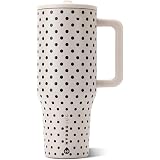
HydroJug Traveler 32oz, Insulated Water Bottle with Handle, French Vanilla | Triple wall insulated, flip straw lid, leak-resistant, stainless steel, cup holder friendly, BPA-free, dishwasher safe
AUD 56.85 (as of October 26, 2026 11:51 GMT +00:00 – More infoProduct prices and availability are accurate as of the date/time indicated and are subject to change. Any price and availability information displayed on [relevant Amazon Site(s), as applicable] at the time of purchase will apply to the purchase of this product.)
Ultrasonic Pest Rodent Repeller, Mouse Squirrel Ant Roach Spider Repellent | Plug-in Pest Control Alternative to Traps and Poison for Home, Office, Garage, Barn and Warehouse, Black 1 Pack
AUD 56.85 (as of October 26, 2026 11:51 GMT +00:00 – More infoProduct prices and availability are accurate as of the date/time indicated and are subject to change. Any price and availability information displayed on [relevant Amazon Site(s), as applicable] at the time of purchase will apply to the purchase of this product.)



Leave a Reply