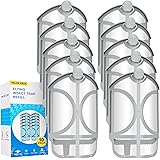
10 Pack Flying Trap Refills Compatible with Flying Insect Trap Refill | Insect Replacement Kit for M364 M364A and Max Fully Compatible Size
$11.39 (as of August 30, 2026 00:00 GMT +00:00 – More infoProduct prices and availability are accurate as of the date/time indicated and are subject to change. Any price and availability information displayed on [relevant Amazon Site(s), as applicable] at the time of purchase will apply to the purchase of this product.)
ArtToFrames 21×30 Inch Brown Picture Frame, This 1.2500 Inch Custom Poster Frame is Natural Oak – Comes with Acrylic and Corrugated Backing (2WOM76808-972-21×30)
$45.48 (as of August 30, 2026 00:00 GMT +00:00 – More infoProduct prices and availability are accurate as of the date/time indicated and are subject to change. Any price and availability information displayed on [relevant Amazon Site(s), as applicable] at the time of purchase will apply to the purchase of this product.)
September 6th Personalized Zodiac Candle | Inspirational Astrology Reading and Daily Affirmation for Your Birthdate | Handmade Virgo Candles | Astrology Birthday Gifts for Women
$48.95 (as of August 30, 2026 00:00 GMT +00:00 – More infoProduct prices and availability are accurate as of the date/time indicated and are subject to change. Any price and availability information displayed on [relevant Amazon Site(s), as applicable] at the time of purchase will apply to the purchase of this product.)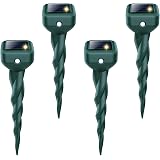
Mole Repellent Solar Powered, 4 Pack Snake & Skunk Repellent for Yard, IP 65 Waterproof Ultrasonic Deterrent Stakes, Get Rid of Rabbit, Gopher, Vole, Chipmunk, Deer, Groundhog for Lawns Garden
$39.99 (as of August 30, 2026 00:00 GMT +00:00 – More infoProduct prices and availability are accurate as of the date/time indicated and are subject to change. Any price and availability information displayed on [relevant Amazon Site(s), as applicable] at the time of purchase will apply to the purchase of this product.)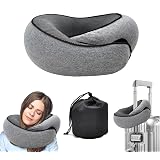
WEERSHUN Travel Pillow for Airplanes, 2026 New Memory Foam Neck Pillow with Chin Wrap for Traveling, Suitable for Airplanes, Offices and Cars
$42.99 (as of August 30, 2026 00:00 GMT +00:00 – More infoProduct prices and availability are accurate as of the date/time indicated and are subject to change. Any price and availability information displayed on [relevant Amazon Site(s), as applicable] at the time of purchase will apply to the purchase of this product.)Most owners like you can protect remote vacation properties by deploying recommended smart-home security options-remote cameras, motion-sensing lights, smart locks, leak and door/window sensors, and integrated monitoring that sends alerts to you or a service; automation reduces false alarms, enables scheduled presence simulation, and provides forensic footage to deter theft and speed response, giving you control and continuous oversight even when you’re miles away.

Key Takeaways:
- Real-time monitoring and motion/entry alerts let owners and managers detect intrusions immediately and coordinate rapid response.
- Remote access controls and temporary guest codes allow secure, auditable entry without sharing permanent keys.
- Environmental sensors (water, smoke, CO, temperature) detect leaks and hazards early and can trigger automatic shutoffs or emergency notifications.
- Encrypted communications, regular firmware updates, and cellular/battery failover preserve system integrity and connectivity when primary networks fail.
- Integration with local services, automated workflows, and geofencing reduces false alarms and speeds on-site maintenance or emergency intervention.
Understanding the Need for Security in Vacation Homes
Because vacation homes often sit empty for weeks or months between rentals, you face extended exposure to theft, vandalism and undetected maintenance issues. Remote locations commonly have emergency response times of 20-40 minutes, limited neighbor surveillance and seasonal spikes in visitors that complicate management. You therefore need systems that provide continuous monitoring, rapid alerts and automated controls so problems are caught and addressed long before they escalate.
The Vulnerability of Remote Properties
Isolation amplifies risk: if your property sits miles from the nearest patrol or neighbor, break-ins can go undetected for hours and utilities outages can cause expensive damage. Vegetation and private driveways provide concealment and informal access points, while seasonal staff or contractors increase entry events. You face logistical delays for repairs and often must rely on remote diagnostics, trusted local contacts or automated systems to maintain situational awareness.
Common Security Risks Faced by Vacation Homes
Threats you must plan for include burglaries, vandalism, squatters, fraudulent bookings and package theft, plus secondary risks like frozen pipes, mold from unnoticed leaks and HVAC failures. High-turnover rentals-often 2-3 turnovers per week in peak season-raise exposure during cleanings and guest transitions. You also contend with social engineering attacks on property managers and credential stuffing that can compromise booking platforms and digital locks.
Mitigation requires layered controls: install motion cameras with cloud alerts (notifications often arrive within 60 seconds), smart locks that issue time-limited codes tied to bookings, and water sensors that detect leaks within minutes to prevent pipe burst damage. Implement two-factor authentication on booking portals, maintain a vetted local contact for rapid inspections, and schedule automated health checks for power, battery levels and HVAC so you see anomalies before guests or seasonal closures reveal them.

Smart Security Solutions for Vacation Rentals
Layering smart sensors, access controls, surveillance and automation gives you the flexibility to protect remotely managed properties without constant on-site presence. Combine door/window sensors, glass-break detectors and water/flood alarms with geofenced automations and 24/7 monitoring; systems often push alerts in under 5 seconds and sync with property-management platforms like Guesty or Lodgify, so you can automate check‑in, flag maintenance issues, and keep audit trails for every event.
Smart Locks and Keyless Entry Systems
You can eliminate lost keys and simplify turnovers by issuing time-limited PINs or virtual keys via Wi‑Fi, Bluetooth or Z‑Wave locks from brands such as August, Yale and Schlage. Remote provisioning lets you create guest codes that expire at checkout, while audit logs record entry times for security and dispute resolution; typical battery life runs 6-12 months and many locks integrate with vacation-rental platforms for seamless guest workflows.
Integrated Surveillance Cameras and Monitoring
You’ll get 1080p or 4K video, night vision, two-way audio and motion-triggered clips with most modern cameras, and cloud storage options commonly retain 7-30 days of footage. Alerts can be routed to you, your property manager, or a professional monitoring center; selecting cameras with person-detection AI reduces false alarms from pets, wind or passing cars.
For deeper protection, configure motion zones, privacy masks and encrypted streams, and choose between local NVR recording or cloud storage depending on bandwidth and retention needs. Many managers pair cameras with professional monitoring that can dispatch local contacts or law enforcement; ensure cameras avoid private areas (bedrooms/bathrooms) and document your privacy policy to comply with local regulations while keeping guests informed.
Smart Alarm Systems for Enhanced Protection
You can layer perimeter beam sensors, magnetic door and window contacts, glass-break detectors and vibration sensors to create overlapping coverage; motion sensors commonly detect movement up to 30-40 feet, while glass sensors trigger on characteristic frequency signatures. Add integrated smoke and CO modules, cellular LTE backup and 24-72 hour battery reserves so the system stays active during outages and deters opportunistic intruders when the property is unoccupied.
Features of Modern Alarm Systems
Choose systems with cellular backup, end-to-end encryption, Z-Wave or Zigbee smart‑home integration and AI-based video verification to reduce false alarms; manufacturers report verification can cut false dispatches significantly. You should prioritize two-factor access, tamper alerts, and combined local/cloud video storage with 10-30 second clip delivery for events to enable quick forensic review by you or a property manager.
Remote Monitoring and Alerts
Remote monitoring sends push notifications, SMS and automated calls to you and designated contacts while professional monitoring centers operate 24/7 and can initiate police or guard dispatch within minutes; you can receive time‑stamped event logs and short video clips to assess incidents quickly and authorize a response without being on-site.
Many providers offer tiers from self-monitoring via app to full professional monitoring; typical fees range $15-50/month, and you can add SIM-based modules to prevent line cuts. You can set geofenced arming, perimeter-only modes for contractors, and shared access for caretakers so notifications are filtered by severity and avoid alert fatigue while keeping you informed of verified threats.
The Role of Home Automation in Security
Home automation ties locks, cameras, lights and sensors into coordinated rules so you manage the whole property remotely; for example, geofencing can arm the system when you’re 500 meters away, scheduled modes cut HVAC and lighting costs by up to 30%, and automated camera verification reduces nuisance police dispatches by combining motion triggers with short video clips sent to your phone.
Automating Lights and Appliances
Program lights to simulate occupancy by cycling rooms every 15-30 minutes in the evening and randomizing start times; use smart plugs for pool pumps or water heaters so you can power-cycle devices remotely, and link scenes in Lutron or Philips Hue to door locks and motion events so exterior lights come on within 2-5 seconds of an entry sensor trip.
Utilizing Smart Sensors for Increased Safety
Deploy door/window sensors, PIR motion detectors and glass-break sensors to create layered detection: many battery-powered sensors offer 1-3 year life and sub-300 ms reporting, while placement-motion units 8-10 feet high with 90° coverage-cuts false alerts; pair sensors with cameras to capture 5-15 second clips on trigger and send immediate push notifications to your phone.
For added resilience, choose multi-sensors (motion+temp+humidity) and place water-leak sensors at potential failure points like water heaters and sump pumps; set automated actions such as shutting a smart valve when a leak is detected, threshold alerts for temperature below 4°C to prevent freezing, and use Zigbee/Z-Wave repeaters to maintain mesh range of 30-100 meters between devices for reliable reporting.
Choosing the Right Security Options
Match system capability to the specific threats and constraints of your site: choose 1080p for general surveillance or 4K when you need license-plate detail, favor cellular backup where broadband is unreliable, and plan for 24-72 hour battery or solar backups in off-grid locations. Prioritize components by impact-entry-point locks, visible cameras, and perimeter lighting-and estimate combined upfront and annual costs to avoid gaps between purchase and reliable operation.
Assessing Your Property’s Unique Needs
Survey your lot size, sightlines, and access patterns to pinpoint sensor types and coverage: a 2-5 acre rural parcel needs perimeter motion sensors and long-range cameras (effective at 100-150 ft), while a condo benefits more from smart locks and door/window sensors. Also factor in wildlife-triggered false alarms-thermal or active infrared sensors reduce those-and account for climate-rated hardware if temperatures swing beyond −20°C to 40°C.
Budgeting for Smart Security Solutions
Break costs into hardware, installation, and recurring monitoring: expect single cameras to range $50-500 depending on resolution and analytics, smart locks $100-300, contact sensors $20-60 each, professional installation $200-1,000, and monitoring $10-50/month. You should prioritize a baseline kit (camera, smart lock, one sensor) first, then phase in additional sensors or cellular backups as funds allow to protect high-risk areas.
When refining your budget, use a phased deployment: allocate 40-60% of initial spend to cameras and locks, 20-30% to sensors and lighting, and reserve 10-20% for power and connectivity redundancies. Plan annual operating costs of roughly $120-600 for monitoring and cloud storage; compare those to potential insurance discounts and warranty extensions that often offset 5-15% of total expense. Apply vendor bundles and seasonal promotions to lower initial outlay without sacrificing important coverage.
Maintenance and Updates for Security Systems
You should schedule routine maintenance: inspect sensors and cameras monthly, replace batteries every 6-12 months, and run full system diagnostics quarterly. Apply firmware and app updates at least every three months and install critical patches immediately; many vendors publish monthly security fixes. Test cellular failover and backup power to ensure 24-72 hour offline capability, and keep a dated log of tests and updates so you can spot recurring faults and plan targeted technician visits for remote properties.
Regular Checks and System Updates
Each week review event logs and sample video clips, and every month test door/window contacts, motion zones, and panic buttons. You should verify hub and camera firmware versions quarterly, confirm mobile-app push notifications work, and run a simulated alarm quarterly to validate monitoring-center handoffs. Enable automated health checks where available to flag low signal strength, firmware drift, or batteries below 30% so you catch failures before they leave the property exposed.
Innovations in Smart Security Technology
Edge AI and on-device person detection let you reduce false alarms and bandwidth by processing footage locally; vendor pilots report false-alarm drops exceeding 50%. Thermal and radar perimeter sensors extend reliable detection to 20-50 meters for large lots, while LoRaWAN and long-range mesh radios cover several kilometers for outbuildings. Encrypted cellular SIM failover maintains connectivity when broadband lapses, keeping alerts and recordings flowing to you and monitoring services.
Delving deeper, you can deploy hybrid setups: edge analytics that keep only 5-15% of footage (events) in cloud storage while retaining raw clips on-site, cutting monthly storage costs. Sensors using Zigbee/Z-Wave mesh typically sustain battery lives of 2-5 years, and LoRaWAN nodes can last multiple years on AA cells depending on duty cycle. Expect cellular failover handoffs under ~10 seconds on modern gateways, so you’ll get near-continuous coverage for remote vacation homes.
Final Words
Considering all points, deploying recommended smart-home security-remote monitoring, automated locks, motion-activated cameras, environmental sensors, and cloud alerts-lets you deter intruders, detect issues early, and respond from anywhere; integrated systems and local backups reduce false alarms and downtime, while regular updates and access controls ensure your vacation property remains monitored, resilient, and easier to manage even when you’re miles away.
FAQ
Q: What smart security devices are recommended for remote vacation homes?
A: A layered system is best: battery-backed smart locks and keypad entry, Wi‑Fi or cellular security cameras with motion detection and two‑way audio, a monitored alarm panel with door/window sensors, smart lighting and plugs for scheduled or remote control, environmental sensors (water leak, freeze, smoke/CO), and a cellular backup gateway to maintain connectivity if the home internet fails.
Q: How do remote monitoring and real‑time alerts reduce the risk of theft or vandalism?
A: Remote monitoring provides continuous visibility and immediate event notifications to owners and monitoring services. Motion alerts, camera clips, and sensor triggers allow rapid verification and response-calling a neighbor, dispatching a monitored security service, or contacting law enforcement-reducing the window of opportunity for intruders and enabling quicker intervention to prevent or limit loss.
Q: In what ways do smart locks and temporary access controls protect a vacation property while allowing service access?
A: Smart locks eliminate hideaway keys by enabling unique PIN codes, timed access, and single‑use credentials for cleaners, maintenance, or short‑term renters. Access logs record who entered and when, while remote locking and automated relocking prevent unauthorized reentry. Temporary codes can be revoked instantly if compromised, and integration with reservation systems can automate code issuance and expiration.
Q: How do environmental sensors and automation help prevent costly damage when the property is unoccupied?
A: Water‑leak, freeze, smoke, and CO sensors detect hazards early and send immediate alerts so owners or local contacts can act before extensive damage occurs. Automatic shutoff valves for water, HVAC monitoring and thermostat control to prevent freezing, and scheduled system checks reduce the likelihood of burst pipes, mold, or long‑term utility failures, lowering repair costs and downtime.
Q: How does system integration and automation strengthen overall protection and simplify remote management?
A: Integrated systems combine cameras, locks, sensors, lights, and alarms into a single app or monitoring platform, enabling coordinated responses-such as activating lights and cameras when motion is detected and sending verified video to a monitoring center. Automation routines simulate occupancy, schedule maintenance checks, and run health diagnostics, reducing false alarms, conserving power, and making remote oversight efficient without onsite presence.
Author


DANGEAB Fall Pillow Covers Pumpkin Fall Decor 18×18 Set of 2 Beige | Soft Plush Faux Fur,Fall Decorations for Home,Thanksgiving and Autumn Harvest Decor,Porch Sofa Couch Cushion Bed Livingroom
$8.99 (as of August 30, 2026 00:00 GMT +00:00 – More infoProduct prices and availability are accurate as of the date/time indicated and are subject to change. Any price and availability information displayed on [relevant Amazon Site(s), as applicable] at the time of purchase will apply to the purchase of this product.)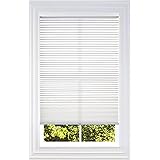
BlindsAvenue Cordless Cellular Shade, White, 30″ W x 48″ H | Light Filtering Pull Down Blinds for Indoor Windows, Thermal Insulation, Noise Reduction Honeycomb Shades for Home Privacy
$45.62 (as of August 30, 2026 00:00 GMT +00:00 – More infoProduct prices and availability are accurate as of the date/time indicated and are subject to change. Any price and availability information displayed on [relevant Amazon Site(s), as applicable] at the time of purchase will apply to the purchase of this product.)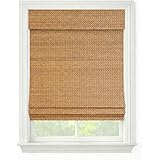
Cordless Woven Wood Roman Shades, Bamboo Shades Sizes 20 to 72 Wide and 24 to 72 High, Bamboo Mesh Natural
$68.99 (as of August 30, 2026 00:00 GMT +00:00 – More infoProduct prices and availability are accurate as of the date/time indicated and are subject to change. Any price and availability information displayed on [relevant Amazon Site(s), as applicable] at the time of purchase will apply to the purchase of this product.)
OLANLY Area Rugs for Living Room Bedroom, Machine Washable 4×5.9 ft Soft Fluffy Shaggy Bedside Rug, Indoor Floor Carpet for Kids Girls and Boys, Dorms, Nursery Rooms, Home Decor Aesthetic, Grey
$12.97 (as of August 30, 2026 00:00 GMT +00:00 – More infoProduct prices and availability are accurate as of the date/time indicated and are subject to change. Any price and availability information displayed on [relevant Amazon Site(s), as applicable] at the time of purchase will apply to the purchase of this product.)


Leave a Reply