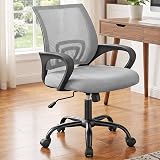
DUMOS Ergonomic Office Chair, Executive Desk Chair with Lumbar Support | Mid Back, Breathable Backrest, Fixed Armrest, Height Adjustable, 360° Swivel, Computer Gaming, Meeting, Grey
$51.88 (as of August 30, 2026 00:00 GMT +00:00 – More infoProduct prices and availability are accurate as of the date/time indicated and are subject to change. Any price and availability information displayed on [relevant Amazon Site(s), as applicable] at the time of purchase will apply to the purchase of this product.)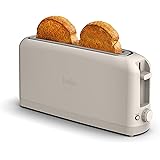
bella Fits-Anywhere™ 2-Slice Slim Toaster, Long Slot & Extra Wide, Oatmilk
$19.58 (as of August 30, 2026 00:00 GMT +00:00 – More infoProduct prices and availability are accurate as of the date/time indicated and are subject to change. Any price and availability information displayed on [relevant Amazon Site(s), as applicable] at the time of purchase will apply to the purchase of this product.)
CGK Linens Dorm Room Bed Skirt Twin XL – Dorm Room Essentials – 32″ White | Extra Long Dust Ruffled College Bedskirt with Split Corners, Easy Fit Elastic Strap, Adjustable, Fade & Wrinkle Free
$29.99 (as of August 30, 2026 00:00 GMT +00:00 – More infoProduct prices and availability are accurate as of the date/time indicated and are subject to change. Any price and availability information displayed on [relevant Amazon Site(s), as applicable] at the time of purchase will apply to the purchase of this product.)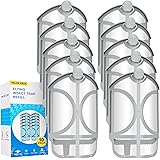
10 Pack Flying Trap Refills Compatible with Flying Insect Trap Refill | Insect Replacement Kit for M364 M364A and Max Fully Compatible Size
$11.39 (as of August 30, 2026 00:00 GMT +00:00 – More infoProduct prices and availability are accurate as of the date/time indicated and are subject to change. Any price and availability information displayed on [relevant Amazon Site(s), as applicable] at the time of purchase will apply to the purchase of this product.)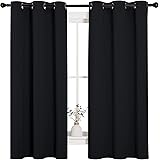
NICETOWN Black Blackout Curtains for Bedroom 42″ Wide x 63″ Long 2 Panels | Solid Grommet Thermal Insulated Drapes, Noise Reducing, Light Blocking, Room Darkening Decor for Kitchen Window Treatments
$11.48 (as of August 30, 2026 00:00 GMT +00:00 – More infoProduct prices and availability are accurate as of the date/time indicated and are subject to change. Any price and availability information displayed on [relevant Amazon Site(s), as applicable] at the time of purchase will apply to the purchase of this product.)Vacation homes in mountain locations need layered smart security; you should combine motion-activated exterior lights, smart locks with guest codes, HD cameras with cloud backup, and environmental sensors for smoke, carbon monoxide, and freeze risk. Use geofencing and scheduled lighting to simulate occupancy, enable two-factor access for remote management, and add cellular backup and battery power to maintain connectivity for your remote property during outages. Choose systems with local dispatch integration for faster response in remote areas.
Key Takeaways:
- Reliable connectivity: combine mesh Wi‑Fi with a cellular backup or LTE gateway to keep cameras, locks, and alerts online in remote mountain locations.
- Power resilience: use battery-backed devices, UPS for hubs/NVRs, and solar options for long outages to maintain security and recording continuity.
- Access and monitoring: deploy smart locks with time-limited codes, video doorbells and motion cameras with local NVR + cloud failover, and configurable privacy zones.
- Environmental protection: install smoke/CO detectors, water and freeze sensors, and smart thermostats with geofencing and automated shutoffs to prevent damage when unoccupied.
- Hardened security practices: choose encrypted, tamper-resistant hardware, enable automatic firmware updates, use strong authentication/VPN for remote access, and consider professional monitoring for rapid response.
Understanding Smart Security Systems
You’ll want systems that balance remote visibility with rugged reliability for mountain properties: high-res cameras with IR for low-light, cellular or satellite failover when broadband drops, and environmental sensors to catch leaks or freezing pipes before damage spreads. Installations typically pair local storage (128-256 GB) with 30-day cloud retention, and you should plan for 24-72 hour battery backup plus encrypted comms (TLS 1.2+/AES-256) to keep controls responsive even during storms.
Importance of Smart Security for Vacation Homes
You rely on remote monitoring to replace daily on-site presence: instant mobile alerts let you verify activity, grant one-time access codes to cleaners or guests, and dispatch services faster. Professional monitoring with cellular backup can reduce average emergency response gaps to roughly 3-7 minutes, while environmental sensors prevent common losses-water-sensor-triggered interventions often limit damage to under $5,000 compared with much larger repair bills when leaks go unnoticed.
Key Features of Smart Security Systems
You should prioritize features that address isolation, weather, and guest turnover: camera resolution (1080p or 4K), motion zoning to cut false alarms from wildlife, smart locks for temporary access, and redundant connectivity like 4G/5G or satellite. Also insist on end-to-end encryption, remote firmware updates, and integrations with platforms you already use (Apple HomeKit, Google, Amazon, or third-party property-management tools).
- High-resolution cameras (1080p/4K) with IR night vision, 120°+ field of view, and motion detection zones to reduce false triggers from wildlife up to 40 yards away.
- Door/window sensors and glass-break detectors reporting in under 1 second with tamper alerts and shock thresholds you can customize.
- Smart locks that issue time-limited PINs or virtual keys, compatible with Z-Wave/Zigbee for local mesh reliability and audit logs for guest access.
- 24/7 professional monitoring paired with cellular failover (4G/5G) and optional satellite fallback; typical monitored dispatch times average 3-7 minutes in populated regions.
- Environmental sensors: water, freeze, smoke/CO detectors with local alarms and push notifications; water sensors placed under appliances can detect leaks in minutes.
- Local NAS or edge storage (128-256 GB) plus 30-day cloud retention, end-to-end encryption (AES-256) and two-factor authentication for account access.
- Automation and geofencing to arm/disarm based on your phone, schedule maintenance reminders, and reduce false alarms-case studies show geofencing can cut false alarms by 40-60%.
- Any system you choose should include battery backup (24-72 hours), offline automation rules, and routine remote firmware updates to ensure continued operation.
You can tune these features to the specific mountain risks you face: for high-wind zones prioritize rugged enclosures and solar trickle-charge for cameras, while properties with frequent guests benefit most from lockcode management and audit logs. Integrate with your property manager’s dashboard or set escalation rules so local contacts receive alerts first; in one Colorado rental, adding geofencing plus a local caretaker reduced unnecessary site visits by 70% and cut alarm dispatches by over half.
- Physical robustness: IP66+ enclosures for cameras and sensors, temperature-rated components (-20°C to 50°C) and surge protection to withstand mountain weather.
- Power resilience: battery backup specifications (24-72 hours typical), optional solar panels for cameras, and UPS support for hubs and routers.
- Connectivity strategy: primary broadband plus 4G/5G cellular failover and optional low-data satellite links for true off-grid redundancy.
- Privacy and compliance: AES-256 encryption for stored footage, TLS 1.2/1.3 for transmission, and role-based access controls for managers versus guests.
- Maintenance features: remote diagnostics, scheduled health checks, and push alerts for low battery, signal loss, or firmware updates to minimize in-person service calls.
- Integration capability: open APIs or platform support (HomeKit, Alexa, Google, SmartThings) so you can automate lighting, thermostats and lock schedules tied to security events.
- Service plans: options for self-monitoring, professional monitoring, or hybrid models with false-alarm filters and concierge verification to reduce unnecessary dispatches.
- Any deployment plan should include a service agreement for updates, response protocols, and a documented failover path so you and local contacts know exactly who acts when alerts occur.
Recommended Security Options
Smart Cameras and Surveillance
You should pick 1080p minimum-2K or 4K is preferable for long driveway and valley views-and aim for 15-30 fps for clear motion. Night vision typically reaches 20-30 feet, so select IR or color-night modes for low-light approaches. Require IP66/IP67 weatherproofing and power options (battery, solar, PoE). Enable person detection, custom motion zones, and cloud retention (30-60 days) or local microSD (up to 256GB). A typical mountain setup uses 2-4 cameras to cover driveway, entry, and a utility shed.
Smart Locks and Access Control
You should install locks rated ANSI/BHMA Grade 1 or 2 and integrate them via Z-Wave, Zigbee, or Wi‑Fi to your hub for remote access. Issue unique PINs per guest with automatic expiration and set auto-lock to 30-120 seconds to prevent accidental leaves. Prioritize tamper alerts, timestamped activity logs, and AES-encrypted communications. Consider Yale Assure, Schlage Encode, or August Smart Lock Pro, and keep a mechanical deadbolt backup for manual override.
You can streamline management with platforms like RemoteLock or SmartRent to auto-provision one-time or time-limited codes synced to bookings and retain unlock logs for 30-90 days. Combine keypad codes for cleaners with Bluetooth geofencing for guest convenience, and place a physical key in a weatherproof lockbox as fallback. Enforce two-factor authentication on admin accounts, schedule automatic firmware updates, and expect battery life in the 6-12 month range depending on usage patterns.

Security Alarms and Alerts
Modern alarm ecosystems tie door/window contacts, glass-break sensors, smoke detectors, and AI cameras into one platform; you can get sensor battery life of 2-5 years and cellular backup that keeps monitoring online during power outages. Services like SimpliSafe or Ring offer professional monitoring from $10-$30/month and feature behavior-based filtering that can cut false alarms by as much as 60%. Configure geofencing to arm systems when your phone leaves and automatic disarming on return to reduce human error.
Smart Alarm Systems
Prioritize hubs supporting Z-Wave or Zigbee for mesh reliability-Z-Wave nodes typically reach about 100 feet line-of-sight and extend coverage with repeaters. You should favor hybrid designs where critical rules run locally (ensuring alarm triggers fire even if internet fails) while cloud services handle logs and remote access. Expect sensors with multi-year battery life, tamper alerts, and configurable sensitivity; professional monitoring can escalate verified events to emergency services within a minute of confirmation.
Mobile Alerts and Notifications
Set mobile alerts to send prioritized push notifications, SMS fallbacks, and image clips so you see context immediately; push messages typically arrive within 1-5 seconds depending on network. You can create schedules and zone-based rules so only critical events ping you at night, and add multiple recipients-owner, property manager, local contact-to escalate if you don’t acknowledge within a set window.
Enable end-to-end encryption for video and require two-factor authentication on your app to protect alert data; you should also use cellular backup SIMs to deliver notifications if broadband drops. For workflows, configure a camera to send a 15-30 second clip for person detections between 10 PM and 6 AM, deliver a priority push, and after two minutes auto-notify your local manager if you haven’t acknowledged-this reduces response time and avoids unnecessary dispatches.

Integration with Smart Home Technology
Compatibility with Other Smart Devices
You can plug security sensors and cameras into existing ecosystems using Matter, Zigbee, Z-Wave or Wi‑Fi bridges; Matter (backed by Apple, Google, Amazon, Samsung) simplifies cross-brand pairing. Many smart hubs handle 200-500 endpoints, so you can link locks, thermostats and lights to automated security scenes. For mountain cabins that use voice control, ensure the device supports Alexa or Google Assistant and verify firmware updates are available over intermittent connections.
Remote Monitoring Capabilities
You’ll get live 1080p video streams (typically 1-3 Mbps), push motion alerts, two‑way audio and geofencing to arm/disarm automatically when you leave. Choose systems offering local recording plus cloud sync and consider edge‑based person detection to cut false alarms. If your mountain property has spotty broadband, prioritize models with cellular backup or low‑bandwidth snapshot delivery.
For deeper resilience, combine cloud plans (commonly $3-$15/month) with local NVR or NAS storage and AES‑256 encryption to keep footage private; solar panels and battery packs extend outdoor camera uptime to months, while an LTE/5G hotspot as backup maintains notifications and remote access when fixed internet drops. Test video latency and retention settings before you leave to ensure motion clips and event chains (door unlock → camera clip → alarm timeline) survive intermittent connectivity.
Tips for Optimal Security Setup
When securing a mountain getaway you should place cameras and sensors to cover primary and secondary access routes, elevate cameras 8-10 ft to reduce tampering, choose systems with cellular backup and 24-72 hour battery runtimes, and harden your Wi‑Fi with WPA3 and unique passwords; enable encrypted cloud storage for footage and set geo-fenced arming so the system behaves around your schedule.
- You should place cameras at 8-10 feet and aim them at driveways, trail approaches, and secondary doors.
- You should use dual-path communication-Wi‑Fi plus cellular or satellite-to maintain connectivity during storms or outages.
- You should select motion sensors with pet immunity and adjust sensitivity to reduce wildlife-triggered alerts.
- This provides redundancy and fewer nuisance notifications while keeping you informed during remote stays.
Assessing Your Property’s Vulnerabilities
You must walk the property at night and day to map sight lines, blind spots, and 50-300 ft approach corridors; log unlit trails, secondary entrances, and weak fencing, review local break-in reports, and prioritize hardening the most exposed points-for example, reinforce sliding doors with a metal bar and add a camera focused on an unmonitored side trail that sees frequent hiking traffic.
Regular Maintenance and Updates
You should schedule quarterly checks for batteries, firmware, sensor alignment, and test cellular failover; plan to replace batteries every 6-24 months depending on device type and temperature, and apply vendor firmware patches as they’re released to maintain secure communications and reliable alerts.
Create a maintenance checklist: clean camera lenses monthly, verify battery health quarterly and replace if runtime drops below manufacturer specs, run semiannual full-system tests (arming, disarming, alarm routing), and update passwords plus firmware as patches arrive. Adjust sensor placement seasonally-recalibrate after heavy snowfall or foliage changes-and consider remote-health dashboards or solar trickle charging to extend uptime during multi-day power outages so you and guests aren’t left blind.
Cost Considerations
Plan for hardware costs from about $200 for a basic DIY kit to $2,000+ for full professional installs; devices like Nest Cam range $99-199, Ring Alarm kits start near $199, and SimpliSafe packages often begin around $259. Factor in professional installation ($150-$500), cellular backup ($10-$30/month), and power solutions such as solar or battery backups to keep your system online in remote mountain sites.
Budgeting for Smart Security
Assign budgets by priority: secure entry points with sensors and smart locks first, then add cameras and alarm panels. Set tiers-basic under $500, mid-range $500-1,500, full setups $1,500+. Include recurring costs like professional monitoring $15-40/month, cellular failover $10-30/month, and potential HOA or permit fees. Start with a $300 starter kit and expand seasonally to spread cost and validate performance with your mountain home’s connectivity.
Evaluating Long-Term Value
Measure long-term value by total cost of ownership and risk reduction: many insurers offer discounts up to 20% for monitored systems, and a monitored alarm can lower loss frequency. Consider how automation can save you-remote HVAC control can cut heating bills by 10-25% in winter mountain use-and how smart integration boosts your resale appeal and time-on-market.
Run a five-year projection: combine initial outlay and recurring fees-for example, $800 hardware plus $20/month monitoring ($1,200 over five years) equals $2,000 total. Compare that to theft or freeze repairs that can exceed $5,000 per incident in remote properties. Also plan for battery replacements ($20-50/year), occasional sensor swaps, and expect firmware upgrades to be free, all of which influence your net savings.
Summing up
Ultimately, you protect your mountain retreat best with a layered smart-security setup: smart locks and door/window sensors, motion-activated cameras with local storage and cellular backup, environmental sensors for smoke, CO and freeze/flood detection, automated lighting and geofencing to simulate occupancy, and reliable backup power plus remote monitoring so you can control and receive alerts from anywhere.
FAQ
Q: What smart security devices are most effective for mountain getaways?
A: A layered approach works best: weatherproof outdoor cameras with local recording and optional cloud backup; smart locks with keypad, PINs, and time-limited codes; a hub-based alarm system with door/window sensors, motion detectors, glass-break sensors, and professional monitoring with cellular backup; environmental sensors for smoke, CO, and freeze/water intrusion; smart lighting (motion-activated exterior lights and programmable interior scenes); and a reliable router with LTE failover or satellite backup. Choose devices rated for extreme temperatures, low power draw, and long-range wireless protocols (Z-Wave/Zigbee) or Wi‑Fi extenders to cover long driveways and outbuildings.
Q: How can I maintain reliable connectivity and monitoring in areas with poor internet or intermittent power?
A: Use a router with dual-SIM LTE failover or a dedicated cellular gateway, and consider Starlink or other satellite options where cell coverage is weak. Add UPS backup for networking equipment and a battery-backed hub or alarm panel; pair with solar-plus-battery systems for longer outages. Configure cameras to record locally when bandwidth is low and only upload thumbnails or critical clips to the cloud. Install signal boosters or directional antennas to improve reception, and design automations to operate locally (off‑grid) so locks and alarms continue working without the internet.
Q: How do I protect guest privacy while keeping remote surveillance and rental management features?
A: Limit cameras to exterior areas (entrances, driveway, garage) and avoid bedrooms/bathrooms; disclose all surveillance in the listing and provide signage on site. Use motion-triggered recording, privacy zones, and scheduled disabling of interior sensors during guest stays. Implement temporary PINs for smart locks and expire codes automatically at checkout. Store footage with short retention policies, encrypt data, restrict staff access via role-based permissions, and log access events so guests and owners can see who entered when.
Q: What network and account practices keep smart devices secure in a remote property?
A: Segment the network: put IoT devices on a separate VLAN or guest SSID with no access to personal devices. Use strong, unique passwords and enable two-factor authentication for cloud accounts. Disable UPnP, change default ports where possible, and keep firmware up to date on all devices and the router. Use a hardware firewall or router that supports VPN access for remote maintenance, and avoid exposing device admin ports to the internet. Regularly audit connected devices, revoke unused cloud authorizations, and prefer vendors with end-to-end encryption and transparent privacy policies.
Q: What physical and operational measures should I take to complement smart security in a mountain home?
A: Reinforce entry points with solid doors, deadbolts, and impact-resistant windows; secure outbuildings and storage areas with monitored sensors; trim vegetation to improve sightlines and reduce hiding spots; install motion lighting along driveways and paths; place visible signage that property is monitored to deter opportunistic theft. Maintain a seasonal checklist: clear snow from access routes, test batteries and backup systems before winter, verify cellular/satellite links after storms, and keep a local contact (caretaker or neighbor) and a trusted contractor on file for emergency response and routine maintenance.
Author

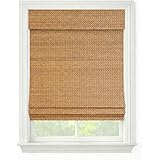
Cordless Woven Wood Roman Shades, Bamboo Shades Sizes 20 to 72 Wide and 24 to 72 High, Bamboo Mesh Natural
$68.99 (as of August 30, 2026 00:00 GMT +00:00 – More infoProduct prices and availability are accurate as of the date/time indicated and are subject to change. Any price and availability information displayed on [relevant Amazon Site(s), as applicable] at the time of purchase will apply to the purchase of this product.)
EUDELE Mesh Shower Caddy Portable for College Dorm Room Essentials, Shower Caddy Dorm with 9-Pocket Large Capacity for Beach, Swimming, Gym, Camping, Travel essentials
$9.99 (as of August 30, 2026 00:00 GMT +00:00 – More infoProduct prices and availability are accurate as of the date/time indicated and are subject to change. Any price and availability information displayed on [relevant Amazon Site(s), as applicable] at the time of purchase will apply to the purchase of this product.)
Utopia Bedding 18×18 Pillow Inserts, White Throw Pillows for Couch, 2 Pack | 100% Virgin Filling, Indoor Cushion Inserts for bed, sofa & couch, Extra Filled, Supportive & Fluffy Decorative Pillows
$14.23 (as of August 30, 2026 00:00 GMT +00:00 – More infoProduct prices and availability are accurate as of the date/time indicated and are subject to change. Any price and availability information displayed on [relevant Amazon Site(s), as applicable] at the time of purchase will apply to the purchase of this product.)
DUMOS Ergonomic Office Chair, Executive Desk Chair with Lumbar Support | Mid Back, Breathable Backrest, Fixed Armrest, Height Adjustable, 360° Swivel, Computer Gaming, Meeting, Grey
$51.88 (as of August 30, 2026 00:00 GMT +00:00 – More infoProduct prices and availability are accurate as of the date/time indicated and are subject to change. Any price and availability information displayed on [relevant Amazon Site(s), as applicable] at the time of purchase will apply to the purchase of this product.)

Leave a Reply