
Titanium Cutting Boards for Kitchen, Non-Toxic Pure Titanium Chopping & Kneading Board with Cutting Mat, Dishwasher Safe for Meat, Fruit, Vegetables & Bread,20 * 16
$39.98 (as of August 30, 2026 00:00 GMT +00:00 – More infoProduct prices and availability are accurate as of the date/time indicated and are subject to change. Any price and availability information displayed on [relevant Amazon Site(s), as applicable] at the time of purchase will apply to the purchase of this product.)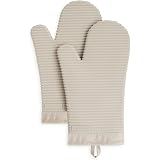
KITCHENAID Ribbed Soft Silicone Oven Mitt 2-Pack Set, 7.5″x13″, Milkshake Tan
$13.72 (as of August 30, 2026 00:00 GMT +00:00 – More infoProduct prices and availability are accurate as of the date/time indicated and are subject to change. Any price and availability information displayed on [relevant Amazon Site(s), as applicable] at the time of purchase will apply to the purchase of this product.)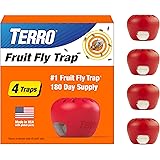
TERRO Fruit Fly Trap 4-Pack, 180 Day Lure Supply, Food-Based Lure | Apple-Shaped Design for Kitchen Counters, Fruit Bowls, Trash Cans, Food-Based Lure, Indoor Pest Control, Fruit Fly Killer
$11.94 (as of August 30, 2026 00:00 GMT +00:00 – More infoProduct prices and availability are accurate as of the date/time indicated and are subject to change. Any price and availability information displayed on [relevant Amazon Site(s), as applicable] at the time of purchase will apply to the purchase of this product.)
Queen Size 4 Piece Sheet Set – Comfy Breathable & Cooling Sheets – White | Hotel Luxury Bed Sheets for Women & Men, Deep Pockets, Easy-Fit, Extra Soft and Wrinkle Free Sheets, Oeko-Tex Bed Sheet Set
$24.99 (as of August 30, 2026 00:00 GMT +00:00 – More infoProduct prices and availability are accurate as of the date/time indicated and are subject to change. Any price and availability information displayed on [relevant Amazon Site(s), as applicable] at the time of purchase will apply to the purchase of this product.)
Barossa Design Oeko-tex Certified Shower Curtain Liner Standard Size, Clear | Waterproof PEVA, Rustproof Grommets, 3 Bottom Magnets, Cute Lightweight Bathroom Curtain, Fits Standard Tub 72″ Length
$8.49 (as of August 30, 2026 00:00 GMT +00:00 – More infoProduct prices and availability are accurate as of the date/time indicated and are subject to change. Any price and availability information displayed on [relevant Amazon Site(s), as applicable] at the time of purchase will apply to the purchase of this product.)Security features in smart vacation homes-smart locks, motion and door/window sensors, cameras, automated lighting, and remote monitoring-give you precise control and continuous visibility over your property, reducing uncertainty when you’re away. By combining encrypted connectivity, real-time alerts, geofencing, and optional professional monitoring, these recommendations let you manage access, verify status instantly, and respond quickly to incidents so your time away is genuinely more relaxed.

Key Takeaways:
- Remote monitoring and control let owners check live video, lock/unlock doors, and adjust systems from anywhere for continuous oversight.
- Real-time alerts and automated responses notify owners of motion, entry, smoke, or water events and can trigger lights, alarms, or emergency contacts immediately.
- Granular access management-temporary codes, app permissions, and audit logs-limits and tracks who enters, easing concerns about guest or vendor access.
- Integrated automation (sensors, cameras, lighting, HVAC, geofencing) simulates occupancy and coordinates responses to anomalies for proactive protection.
- Built-in reliability-battery backup, cellular failover, health monitoring-and potential insurance discounts reduce downtime, financial risk, and owner anxiety.
Understanding Smart Vacation Homes
Definition and Features
Smart vacation homes let you control locks, thermostats, lighting, cameras and sensors remotely via an app or platform; common protocols include Wi‑Fi, Z‑Wave and Zigbee. Automation routines can lock doors at night, set thermostats to eco‑mode between bookings, and trigger water‑leak alerts. Many systems integrate with Airbnb/VRBO APIs for seamless check‑in, while voice assistants and geofencing personalize guest experiences. Typical setups include smart locks, a thermostat, motion and leak detectors, and 24/7 cloud video recording.
Advantages over Traditional Vacation Homes
With smart systems you get constant remote oversight, faster issue detection, and automated guest access that reduces key exchanges and lockouts. Energy management cuts utility use during vacant periods, often lowering bills by 10-30%. Enhanced security and real‑time alerts help deter theft and vandalism, improving occupancy and guest ratings; property managers report fewer emergency visits and smoother turnovers compared with standard, non‑connected rentals.
One property manager in a coastal market cut emergency plumbing calls by 40% after installing water sensors and reduced energy spend by roughly 25% using scheduled HVAC setbacks; you may see similar results when combining leak detection, smart thermostats and automated onboarding. Automated check‑in also raised guest satisfaction-turnover teams reported faster cleanings and managers noted occupancy improvements of about 10-15% in high season due to better reviews and availability.
Importance of Security in Vacation Homes
When you manage a vacation home, security directly affects revenue, insurance costs, and guest trust; a single burglary or liability claim can cost you $5,000-$10,000 in losses and repairs. Preventive measures like remote monitoring and automated lighting reduce vacancy indicators, while documented security protocols speed up claims and limit downtime between bookings. You benefit from fewer cancellations, steadier occupancy, and lower long-term operating costs when security is treated as an operational priority rather than an afterthought.
Common Security Threats
You face a mix of physical and digital threats: break-ins, package theft, squatters, vandalism, and smart-device exploits such as compromised Wi‑Fi or outdated firmware on locks and cameras. Unauthorized parties and guest-caused damage often spike during peak seasons and holidays, and delivery thefts tend to rise in urban areas. Implementing layered defenses-reinforced doors, verified guest check-ins, and timely firmware updates-reduces the most frequent attack vectors.
Impact of Security Concerns on Owners
You can lose more than property-security incidents hit your bottom line and reputation; cancellations and negative reviews after an incident can lower occupancy rates for months and reduce nightly rates by up to 15% in competitive markets. Insurers may raise premiums or add exclusions after repeated claims, and unresolved incidents create ongoing liability risks if guests or visitors are harmed on the property.
Beyond immediate financial hits, you also absorb time and administrative burden: filing police reports, coordinating repairs, managing guest communications, and providing refunds. Having real-time alerts and recorded evidence often accelerates police response and insurance settlements, while documented maintenance and access logs strengthen your defense in liability disputes and speed claim approvals. Investing in clear policies and smart-system logs minimizes disruption and long-term loss.
Recommended Security Options for Smart Homes
Start with layered defenses: combine sensors, cameras, locks, and automation to cover entry points and interiors. Typical setups include door/window sensors, motion detectors, smoke/CO monitors, and cloud‑linked cameras that store 7-30 days of footage. You should select devices supporting Z‑Wave, Zigbee, or Wi‑Fi for interoperability, and prefer systems offering 24/7 monitoring or local storage to avoid single‑point failures.
Smart Alarms and Surveillance Systems
Install 1080p or 4K cameras with night vision, two‑way audio, and person‑detection analytics to cut nuisance alerts. Motion sensors and glass‑break detectors cover blind spots, while smoke and CO alarms integrate into scenes. Many systems offer 7-30 days of cloud storage and optional professional monitoring for about $15-50/month, letting you get verified alerts and emergency dispatch even when you’re away.
Smart Locks and Entry Control
Use smart locks with keypad, Bluetooth or Z‑Wave connectivity, and keyed backup so you always regain access. You can issue time‑limited PINs for guests or service crews and revoke them instantly. Many models use AES‑128 or AES‑256 encryption and run on AA batteries for roughly 6-12 months, and integrate with August, Yale, or Schlage ecosystems for seamless automation.
Beyond basic access, enable geofencing to auto‑lock when you leave and auto‑unlock when you approach; audit logs provide timestamped entry histories so you can see who entered and when. Combine locks with video doorbells to verify visitors before granting access, and choose locks rated ANSI/BHMA Grade 1 or 2 for stronger physical security. Also set tamper and low‑battery alerts to avoid being locked out unexpectedly.

Integration of Security Technology
You can combine protocols like Z-Wave (up to 232 nodes), Zigbee (theoretically tens of thousands of devices), Thread and Wi‑Fi to build resilient, multi-vendor systems that reduce single-point failures. Using hubs or platforms such as Home Assistant or SmartThings lets you run local automations, bridge cloud-only cameras, and correlate events from door contacts, glass-break sensors and cameras to cut false alarms and speed response times.
Connecting Devices for a Seamless Experience
You should standardize on one or two protocols and add a hub to avoid islands: for example, pair a SmartThings hub to manage Zigbee sensors and a Wi‑Fi camera, then group devices into rooms and create automations so a contact sensor triggers lights and camera recording. Practical steps include naming devices consistently, testing latency for each rule, and using smart plugs as mesh routers to extend coverage.
Remote Monitoring and Control
You’ll rely on mobile apps, push alerts, and geo-fencing to monitor remotely: many providers offer live view plus event clips and optional 30‑day cloud history on subscription plans. Secure remote access involves two‑factor authentication, TLS encryption and selective local recording to balance privacy, responsiveness and cost when you’re away from the property.
For deeper control, optimize bandwidth and storage by recording on motion only, lowering frame rates to 15 fps for 1080p (typical streams average 1-4 Mbps), and using a local NVR or NAS for long‑term retention; a 4 TB drive commonly holds several weeks of motion-triggered 1080p footage. Additionally, set up MFA on accounts, segment guest Wi‑Fi from device networks, and consider a VPN or local hub for administration to minimize cloud exposure while maintaining instant remote access.
Enhancing Peace of Mind for Owners
Integrated smart security ties locks, cameras, sensors, and monitoring into a single dashboard so you can verify status from anywhere; devices using AES-256 encryption and two-factor authentication protect access while local battery backups (commonly 8-12 hours) and cellular failover keep systems live during outages. You benefit from scheduled self-tests, tamper alerts, and geo-fencing that arms systems automatically when you leave, reducing manual checks and giving real, measurable oversight of your vacation property.
Real-time Alerts and Notifications
Push notifications, SMS, and verified alarm calls deliver event details and short video clips to your phone within seconds, enabling you to assess motion, door activity, or glass-break events immediately. Two-way audio lets you address a guest or deter an intruder remotely, and AI-based analytics cut nuisance alerts by filtering pets and shadows, so you receive only actionable notifications that prevent unnecessary emergency dispatches and wasted time.
Insurance Benefits and Liability Reduction
Insurers commonly offer premium discounts-often in the 5-20% range-when you install monitored alarms, smart locks, and leak-detection systems that reduce claim frequency and severity. You can lower liability exposure for short-term rentals by logging access with smart locks, using occupancy and smoke sensors, and demonstrating proactive risk mitigation to underwriters, which often speeds claims handling and reduces payout disputes.
To maximize insurer recognition, maintain tamper-proof event logs, professional monitoring certificates, and time-stamped video clips as evidence; these items shorten investigations and substantiate your loss-prevention efforts. Automated water-shutoff coupled with leak sensors typically prevents large flood losses, and recorded access logs from smart locks are increasingly accepted by carriers and rental platforms as proof of guest behavior, directly affecting underwriting and settlement outcomes.
Future Trends in Smart Home Security
Edge AI, 5G connectivity, and battery-backed mesh sensors will let you monitor vacation homes with lower latency and far fewer false alerts; pilots report AI motion filters can cut false alarms by about 70%. Insurers are beginning to offer up to 20% premium discounts for verified automation and tamper‑proof logs. Platform consolidation will let you control locks, cameras, HVAC and energy from a single app, enabling automated incident billing and pay-for-performance vendor models.
Innovations on the Horizon
Drone-based perimeter checks, energy-harvesting window and door sensors, and biometric access are moving from pilots into production; some operators say post-storm inspections dropped from 48 hours to under eight. Federated learning and homomorphic encryption will let vendors analyze footage for anomalies without exposing raw video, preserving guest privacy while improving detection. You’ll also see more off-grid sensors and solar-backed hubs that extend unattended uptime to years.
Evolving Best Practices
You should enforce quarterly firmware audits, segment guest Wi‑Fi from security devices using VLANs, and require multi-factor authentication for all admin accounts; property owners who adopt these practices report fewer unauthorized-access incidents. Negotiate vendor SLAs with 24-hour incident response, set video retention policies between 30-90 days, and automate monthly system tests to validate sensors, notifications, and escalation chains.
You should start with a documented checklist: inventory every device, replace default credentials with unique, complex passwords, and enable hardware-backed keys or MFA for admins. Tie smart locks to your PMS so guest codes expire automatically and rotate between stays, which significantly reduces access-related claims. Schedule annual penetration tests, keep encrypted logs for at least 90 days, and formalize an incident response playbook with contacts for local police, emergency vendors, and your insurer to accelerate recovery and claims processing.
FAQ
Q: What remote-monitoring features do smart vacation homes recommend to give owners oversight while away?
A: Recommended features include encrypted video cameras with cloud storage and live streaming, door/window contact sensors, smart locks with one-time and scheduled codes, and mobile push alerts. Together these let owners verify status, watch activity in real time, receive tamper or entry notifications, and control access remotely-providing direct, immediate awareness of what’s happening at the property.
Q: Which environmental and safety sensors should be installed to protect an unattended vacation home?
A: Install water-leak/sump sensors, smoke and carbon-monoxide detectors, and temperature sensors tied into the automation system. When triggered they can shut off water mains, alert owners and local responders, and activate HVAC or circulation to prevent freezing. Early detection and automated mitigation reduce the risk of costly damage and the stress of late discovery.
Q: How do access controls and visitor-management tools reduce owner anxiety about guests and contractors?
A: Use smart locks with unique, time-limited codes, scheduled access windows, and access logs. Integrate with booking platforms or service vendors to automate code issuance and revoke access after a stay. Video verification and intercoms allow remote identity checks before granting entry, eliminating uncertainty about who’s on site and when.
Q: What role do professional monitoring services and local response options play in owner peace of mind?
A: Professional monitoring provides 24/7 alarm verification and escalation to local emergency services or preauthorized local contacts when owners are unreachable. Many services offer verified video or audio confirmation to reduce false dispatches and can coordinate with local property managers for on-site checks-ensuring a timely, accountable response when incidents occur.
Q: How do security design choices address privacy, reliability, and insurance benefits for vacation-home owners?
A: Best practices include end-to-end encryption, two-factor authentication, granular access permissions, and retention policies for footage to protect privacy. Redundancies such as battery backup, cellular failover, and local control panels preserve operation during outages. Insurers often offer premium discounts for professionally monitored systems and validated sensors, lowering long‑term costs and providing financial reassurance.
Author

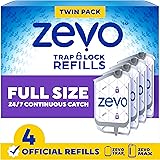
Zevo Flying Insect Trap Refill Cartridges for Fruit Flies & Gnats, 4 Count | Fits Zevo MAX & Zevo Flying Insect Trap, Catches House Flies, Gnats & Fruit Flies 24/7, No Added Fragrance or Dyes
$14.97 (as of August 30, 2026 00:00 GMT +00:00 – More infoProduct prices and availability are accurate as of the date/time indicated and are subject to change. Any price and availability information displayed on [relevant Amazon Site(s), as applicable] at the time of purchase will apply to the purchase of this product.)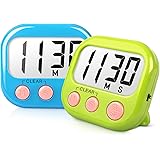
Digital Timer for Kids Classroom Timers for Teachers 2 Pack Blue Green | Large Screen, Strong Magnetic, Loud Alarm, Teacher Supplies
$5.47 (as of August 30, 2026 00:00 GMT +00:00 – More infoProduct prices and availability are accurate as of the date/time indicated and are subject to change. Any price and availability information displayed on [relevant Amazon Site(s), as applicable] at the time of purchase will apply to the purchase of this product.)
Glitter Fall Window Clings Autumn Thanksgiving Window Stickers Decals Decor | 6 Sheets Window Decals with Sparkling Powder, Happy Fall Decorations for Home Office School Classroom Kids Room Indoor Party
$6.98 (as of August 30, 2026 00:00 GMT +00:00 – More infoProduct prices and availability are accurate as of the date/time indicated and are subject to change. Any price and availability information displayed on [relevant Amazon Site(s), as applicable] at the time of purchase will apply to the purchase of this product.)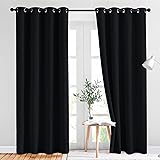
NICETOWN Black Out Curtains for Bedroom 84 Inches Long, W52xL84, 2 Panels | Light Reducing Thermal Drapes Solid Grommet Room Darkening Window Treatments for Living Room
$14.58 (as of August 30, 2026 00:00 GMT +00:00 – More infoProduct prices and availability are accurate as of the date/time indicated and are subject to change. Any price and availability information displayed on [relevant Amazon Site(s), as applicable] at the time of purchase will apply to the purchase of this product.)


Leave a Reply