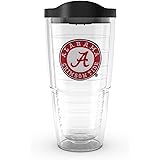
Tervis Made in USA Double Walled University of Alabama Crimson Tide Insulated Tumbler Cup Keeps Drinks Cold & Hot, 24oz, Emblem
$27.99 (as of August 30, 2026 00:00 GMT +00:00 – More infoProduct prices and availability are accurate as of the date/time indicated and are subject to change. Any price and availability information displayed on [relevant Amazon Site(s), as applicable] at the time of purchase will apply to the purchase of this product.)
Tervis Grambling State University Emblem Individual Tumbler, 16 oz, Clear
(as of August 30, 2026 00:00 GMT +00:00 – More infoProduct prices and availability are accurate as of the date/time indicated and are subject to change. Any price and availability information displayed on [relevant Amazon Site(s), as applicable] at the time of purchase will apply to the purchase of this product.)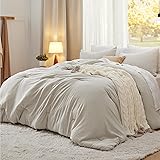
Bedsure King Comforter Set Prewashed Soft Bedding Set 3Pcs Beige 104″x90″ | GentleSoft, Built to last, all season, bedding, warm yet lightweight, gift choice, OEKO-TEX, machine-washable
$45.99 (as of August 30, 2026 00:00 GMT +00:00 – More infoProduct prices and availability are accurate as of the date/time indicated and are subject to change. Any price and availability information displayed on [relevant Amazon Site(s), as applicable] at the time of purchase will apply to the purchase of this product.)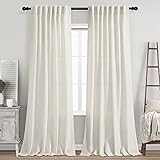
Cream Linen Back Tab Curtains 84 Inch Length for Living Room 2 Panel Set Neutral Modern Farmhouse Window Privacy Semi Sheer Linen Drapes Rustic Pinch Pleated Look Curtain Natural Ivory Colored
$13.98 (as of August 30, 2026 00:00 GMT +00:00 – More infoProduct prices and availability are accurate as of the date/time indicated and are subject to change. Any price and availability information displayed on [relevant Amazon Site(s), as applicable] at the time of purchase will apply to the purchase of this product.)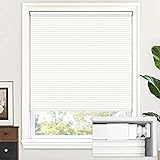
LazBlinds No Drill Cordless Cellular Shades, 46″ W × 48″ H, White | Light Filtering Honeycomb Shades Thermal Insulation Noise Reduction Glare Control Blinds for Windows
$45.05 (as of August 30, 2026 00:00 GMT +00:00 – More infoProduct prices and availability are accurate as of the date/time indicated and are subject to change. Any price and availability information displayed on [relevant Amazon Site(s), as applicable] at the time of purchase will apply to the purchase of this product.)Vacation security for your smart vacation home should combine strong network defenses, multi-factor authentication for device accounts, encrypted remote access, automated occupancy simulation, and professionally monitored sensors and cameras; you should also use firmware-updated devices, role-based guest access, geofenced automations, and routine security audits to reduce risks. Prioritize vendor interoperability, privacy-focused cloud services, and clear access logs so you can manage settings remotely with confidence and limit liabilities while guests stay on the property.

Key Takeaways:
- Harden the network: WPA3 mesh Wi‑Fi, VLAN or segmented IoT network, router with automatic security updates and optional VPN or secure remote access for administrators.
- Deploy secure access controls: end‑to‑end encrypted smart locks with multi‑factor authentication, time‑limited guest codes and audit logs for every entry.
- Choose privacy‑focused sensors and cameras: edge AI with local processing, encrypted storage, configurable privacy zones, tamper and low‑battery alerts, plus optional professional alarm integration.
- Ensure power and connectivity redundancy: UPS or battery backup for locks, hub and router, plus cellular failover for critical monitoring and a manual physical override for guests.
- Maintain the security lifecycle: signed OTA firmware updates, regular vulnerability scans or penetration tests, centralized monitoring/insurance options, and physical deterrents like adaptive lighting and clear signage.
Overview of Smart Vacation Homes
You’ll find smart vacation homes combine remote access, autonomous safety systems, and energy controls to minimize guest issues and owner intervention. Integrations often include Matter/Thread compatibility, cloud video with 1080p-4K feeds, smart locks with access codes, leak detectors, and HVAC zoning. Property managers cut in-person checks by automating vacancy modes and alerts, while you monitor real‑time status from anywhere using a single app or a professional monitoring dashboard.
Definition and Features
You should expect a smart vacation home to center on connected sensors, actuators, and a hub or cloud service that coordinates them. Typical features include smart locks (August, Yale), thermostats (Nest), cameras (Arlo, Nest Cam), water-shutoff valves (Flo), multi-protocol support (Zigbee/Z-Wave/Thread/Matter), battery-backed sensors with 2-5 year life, and access logs that record who entered and when for auditability.
Benefits of Smart Technology
You gain faster incident response, lower operating costs, and better guest experiences through automation. Remote lock provisioning eliminates key exchanges, energy management can cut utility bills roughly 10-30% depending on usage patterns, and automated alerts let you resolve issues before guests report them. Insurers and platforms increasingly recognize monitored systems when assessing risk and claims handling.
You’ll also get clear operational advantages: geofencing can precondition a unit for arrival, leak sensors tied to automatic shutoffs prevent major water losses, and access logs speed dispute resolution with guests. In professional portfolios, centralized dashboards let you push firmware updates, enforce security policies, and delegate timed access to cleaners or contractors without sharing permanent credentials.
Importance of Security in Smart Vacation Homes
Your smart vacation home links locks, cameras, thermostats and booking systems, so a single vulnerability can expose guest data, enable unauthorized entry, or disrupt bookings. You protect revenue and reputation by enforcing firmware updates, segregating IoT from guest Wi‑Fi, and using multi‑factor authentication; industry incidents show attackers often move laterally from one compromised device to others, turning a simple exploit into service outages or privacy breaches that cost hosts time and money.
Common Security Threats
Attackers target weak or default credentials, outdated firmware, unsecured APIs and exposed ports; Mirai-like botnets historically abused unsecured IoT devices to gain scale. You also face social engineering (phishing targeting hosts or cleaners), physical tampering with smart locks and cameras, and misconfigurations that leak booking or payment data-so continuous monitoring, strong passwords, and vendor-vetted devices reduce those risks.
Unique Challenges for Vacation Rentals
High guest turnover, remote management and the need to balance surveillance with privacy laws create distinct vulnerabilities for you: frequent code changes, multiple service providers, and seasonal staff increase the chance of stale credentials or missed updates, while guest expectations limit intrusive security measures-forcing operational controls like time‑limited access and clear camera policies.
Operationally, you should automate one-time or time‑bound door codes tied to bookings, rotate access credentials after each stay, and place cameras only in common areas with visible notices to comply with local laws; isolate IoT on a VLAN, schedule weekly firmware patches, and export access logs for audits-these steps reduce unauthorized access, simplify incident response, and protect guest trust.
Recommended Smart Security Options
Smart Locks
You should pick ANSI Grade 1 or 2 deadbolt smart locks with 256‑bit AES encryption, support for Wi‑Fi or Z‑Wave, and per‑guest access codes; models like Schlage Encode, August Wi‑Fi, and Yale Assure fit many rentals. Configure auto‑lock, timed codes, and two‑factor admin access, and expect 6-12 months battery life on typical usage to avoid guest lockouts.
Security Cameras
Install 1080p-4K cameras with night vision, two‑way audio, and a mix of wired and battery units; choose local storage (microSD) plus optional cloud plans ($3-10/month) from vendors like Arlo, Nest, or Reolink for reliable evidence capture without overpaying.
Mount cameras 8-10 ft high with a 90-160° field of view angled down 20-30°; prioritize models with TLS/SSL and end‑to‑end encryption, ONVIF support for NVRs, and motion‑triggered clips sent to you. Studies show visible cameras plus geofencing cut theft incidents by ~60% in vacation properties.
Motion Sensors
Use PIR motion sensors with pet immunity (up to ~40 lbs), Z‑Wave or Zigbee connectivity, and 30-40 ft detection range; devices like Aeotec MultiSensor series or Philips Hue Motion pair easily with hubs and typically deliver 1-3 years battery life in low‑activity rentals.
Prefer dual‑tech sensors (PIR + microwave) to reduce false alarms, and set sensitivity thresholds and sensor zones in your hub. Tie sensors to camera recording and lighting rules so motion in a hallway triggers a short video clip and a text alert to you for quick verification.
Smart Alarms
Choose alarm systems offering both self‑monitoring and professional monitoring options, cellular backup, and battery redundancy; typical sirens range 85-120 dB and monitoring costs run $15-30/month. Brands like SimpliSafe, ADT, and Ring Alarm integrate well with locks and cameras for centralized control.
Enable audio/video verification and silent alarm options to lower false dispatches, and require SIA or UL certification if you use professional monitoring. Configure geofencing and schedules so the system arms/disarms automatically for guests while still providing immediate alerts and dispatch when you need it.

Integration of Smart Security Systems
You should prioritize systems that speak modern protocols-Matter, Zigbee, Z‑Wave, Thread and Wi‑Fi-so sensors, cameras and locks interoperate without fragile workarounds. Many 2024-26 camera models now run edge AI for person/vehicle detection to cut false alarms and cloud bandwidth, while enterprise-grade systems add TLS and AES‑256 for data in transit. In practice, combining a Matter‑capable hub with local automation keeps your vacation home secure even during cloud outages and reduces monthly subscription dependence.
Centralized Control Systems
You’ll get the most reliable behavior from a centralized controller like Home Assistant, Hubitat or a dedicated hub from Vivint/ADT that executes automations locally. Home Assistant supports over 2,000 integrations and lets you script complex rules; Hubitat offers native Z‑Wave/Zigbee radios for offline operation. Use local-first hubs to ensure locks, thermostats and alarm triggers act within seconds and remain functional when internet connectivity to the property drops.
Compatibility with Other Smart Devices
You should verify device compatibility before purchase: Philips Hue bulbs via a Hue Bridge work across Alexa, HomeKit and Google; Yale and Schlage locks often offer Z‑Wave or Zigbee variants that integrate with major hubs; Nest and Ecobee thermostats provide cloud and limited local APIs. Favor devices that list Matter or documented local APIs to avoid dependency on proprietary cloud bridges and to simplify cross-brand automations.
You can bridge legacy devices when necessary-bridges translate Zigbee/Z‑Wave to IP so hubs can control them-but prefer native Matter or Thread support to reduce complexity. Thread is a low‑power mesh supporting up to about 250 devices, and Matter runs over Thread or Wi‑Fi to provide consistent device discovery and secure pairing. Insist on OTA firmware updates and vendor API openness so your ecosystem stays interoperable as new devices arrive.
Real-Life Case Studies
You can gauge recommended options by hard numbers from deployments: a Tahoe rental cut false alarms 78% and saved $3,400/year, a Florida condo earned a 22% insurance premium drop, and a UK cottage increased bookings 12% after adding automated access and energy controls – all showing how specific configurations change outcomes fast.
- Case Study 1 – Lake Tahoe short-term rental (2024): 8 sensors (4 door/window, 2 motion, 2 leak), 4 HD cameras, smart lock, monitored alarm. False alarms dropped from 18/month to 4/month (−78%), two attempted break-ins deterred, annual operational savings ≈ $3,400.
- Case Study 2 – Miami condo portfolio (2025): centralized cloud + 24/7 professional monitoring across 12 units; average insurance premium reduced 22%, average response time 4.5 minutes, portfolio ROI 18% in year one.
- Case Study 3 – UK countryside cottage (2024): smart locks + guest-code automation + remote thermostat; occupancy rose 12% and guest satisfaction ratings improved from 4.3 to 4.8/5 after reducing check-in friction.
- Case Study 4 – Arizona desert Airbnb (2025): mesh Wi‑Fi, local NVR + cloud sync, 6 sensors; network redundancy cut downtime from 10 hours/month to 0.5 hours/month, preventing two missed emergency alerts during storms.
- Case Study 5 – Remote mountain cabin (2024): solar-backed power, satellite failover, motion analytics to reduce false positives; battery-management policies kept uptime >99% and reduced manual check-ins by 65%.
Successful Implementations
You achieve similar gains when you combine monitored intrusion detection, edge analytics, and PMS integration: one operator reported a 60% drop in on-site calls, 18% first-year ROI, and a 95% guest satisfaction score after standardizing sensor counts (6-10 per unit), mandatory mesh Wi‑Fi, and automated guest access windows.
Lessons Learned
Many operators found that the biggest failures stemmed from weak network design and poor guest onboarding: 40% of system outages traced to single-point Wi‑Fi, and 25% of false alarms were guest-triggered due to unclear instructions or temporary codes left active beyond booking windows.
Mitigations you should apply include mesh Wi‑Fi with dual-backhaul, scheduled firmware updates, two-factor admin access, and SOPs that test failover weekly. Set battery-replacement alerts at 20% charge, enforce auto-expiring guest codes, and run quarterly drills with your monitoring provider to keep response times under five minutes.
Future Trends in Smart Vacation Home Security
Emerging technologies and practices
Edge AI and the Matter standard (launched in 2022) will let your cameras and locks interoperate while processing video on-device to cut false alerts and cloud exposure. You’ll see 5G/LTE failover, battery-plus-solar backups, and LPWAN sensors for extended uptime during outages. Companies like Nest and Arlo already deploy person detection on-camera, and regulators plus insurers are moving toward clearer data controls and verified-system discounts, changing how you qualify properties for coverage.
Summing up
Following this, you should adopt layered smart-home security for vacation homes in 2026: encrypted smart locks, video with cloud and local storage, motion and entry sensors, professional monitoring, and strong network protections (WPA3, router firewall, VPN). Use multi-factor auth, automatic firmware updates, geofencing and scheduled automation to simulate occupancy, and power backups. Prioritize vendors with transparent privacy policies and upgrade paths to keep your property defended.
FAQ
Q: What are the top security measures for smart vacation homes in 2026?
A: Use a layered approach: a WPA3-protected, segmented network (VLANs/guest SSID); Matter- and Thread-compatible devices with signed OTA updates and hardware-backed keys (TPM/secure enclave); a cellular-backup alarm panel with battery/UPS; smart locks with tamper detection, time-limited virtual keys and physical-key override; cameras offering end-to-end encryption plus local NVR/edge storage; automated firmware patching and vulnerability scans; robust access controls (MFA, role-based accounts, audit logs); and physical measures (reinforced doors/windows, exterior lighting, visible monitoring signage).
Q: How should I secure the property’s Wi‑Fi and IoT devices?
A: Deploy a modern router/firewall that supports WPA3, VLANs, DNS filtering and intrusion prevention. Isolate IoT on a separate VLAN or guest network with no lateral access to guest devices. Disable UPnP, change default credentials, enforce strong passphrases, and require MFA for cloud management consoles. Use a VPN or zero-trust remote access for owners/managers, keep an up-to-date device inventory, enable automated signed firmware updates, and schedule regular network scans for rogue devices.
Q: What smart-lock features and access policies work best for short-term rentals?
A: Choose locks with secure firmware signing, tamper alerts, battery backup and mechanical key fallback. Implement time-limited PINs or encrypted virtual keys that auto-expire, integrate with booking software to automate provisioning, log every entry and send real-time alerts for forced-entry attempts. Maintain separate admin and guest accounts, enforce MFA for managers, rotate master codes periodically, and keep a documented emergency access procedure for service workers and law enforcement.
Q: How do I balance camera-based security with guest privacy and legal compliance?
A: Limit cameras to exterior locations (entrances, driveways) and avoid cameras in private spaces (bedrooms/bathrooms). Use motion-triggered recording, privacy zones and face-blur where available; disable audio capture by default unless explicitly disclosed and permitted by local law. Prefer devices that support local encrypted recording with optional cloud E2E encryption, retain footage for a minimal justified period, provide clear disclosure in listings and on-site signage, and follow local data-protection and consent regulations.
Q: What monitoring, response, and maintenance practices should owners implement?
A: Combine automated self-monitoring with optional professional monitoring that supports cellular failover. Create an incident playbook (alarm escalation, local contacts, remote lockout procedures), schedule monthly device health checks and quarterly vulnerability scans, enable automated OTA updates with staged rollouts, maintain backup power for critical systems, keep insurance and local emergency contacts current, and test alarms and remote-access workflows before each high-season rental cycle.
Author


STANLEY Quencher H2.0 Tumbler with Handle and Straw 30 oz | Flowstate 3-Position Lid | Cup Holder Compatible for Travel | Insulated Stainless Steel Cup | BPA-Free | Rose Quartz 2.0
$32.95 (as of August 30, 2026 00:00 GMT +00:00 – More infoProduct prices and availability are accurate as of the date/time indicated and are subject to change. Any price and availability information displayed on [relevant Amazon Site(s), as applicable] at the time of purchase will apply to the purchase of this product.)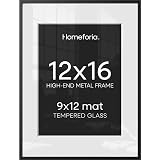
Homeforia 12×16 Black Picture Frame, High-End Metal, 9×12 Mat, Glass | High End Aluminum, Tempered Glass, Acid-Free 9×12 Removable Mat, 12×16 in Edge-to-Edge Display 16×12, Wall Kit, Set Of 1
$24.99 (as of August 30, 2026 00:00 GMT +00:00 – More infoProduct prices and availability are accurate as of the date/time indicated and are subject to change. Any price and availability information displayed on [relevant Amazon Site(s), as applicable] at the time of purchase will apply to the purchase of this product.)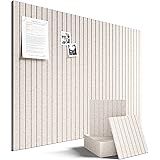
Fluxynara 48″ x 36″ Large Felt Bulletin Board, Oatmeal | 12 Pack Cork Board Alternative with 60 Safe Adhesive Tabs, Pin Boards for Wall Decor, Home, Office, Classroom,Dorm
$34.99 (as of August 30, 2026 00:00 GMT +00:00 – More infoProduct prices and availability are accurate as of the date/time indicated and are subject to change. Any price and availability information displayed on [relevant Amazon Site(s), as applicable] at the time of purchase will apply to the purchase of this product.)
OLANLY Bathroom Rugs 30×20, Extra Soft Absorbent Chenille Bath Rugs | Grey, Quick-Drying Rubber Backing, Machine Washable Bath Mat for Bathroom Floor, Tub and Shower, Home Decor Accessories
$9.38 (as of August 30, 2026 00:00 GMT +00:00 – More infoProduct prices and availability are accurate as of the date/time indicated and are subject to change. Any price and availability information displayed on [relevant Amazon Site(s), as applicable] at the time of purchase will apply to the purchase of this product.)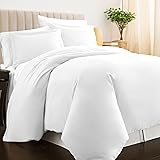



Leave a Reply