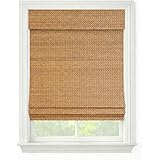
Cordless Woven Wood Roman Shades, Bamboo Shades Sizes 20 to 72 Wide and 24 to 72 High, Bamboo Mesh Natural
$68.99 (as of August 30, 2026 00:00 GMT +00:00 – More infoProduct prices and availability are accurate as of the date/time indicated and are subject to change. Any price and availability information displayed on [relevant Amazon Site(s), as applicable] at the time of purchase will apply to the purchase of this product.)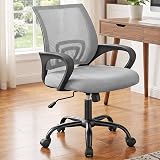
DUMOS Ergonomic Office Chair, Executive Desk Chair with Lumbar Support | Mid Back, Breathable Backrest, Fixed Armrest, Height Adjustable, 360° Swivel, Computer Gaming, Meeting, Grey
$51.88 (as of August 30, 2026 00:00 GMT +00:00 – More infoProduct prices and availability are accurate as of the date/time indicated and are subject to change. Any price and availability information displayed on [relevant Amazon Site(s), as applicable] at the time of purchase will apply to the purchase of this product.)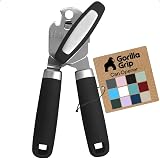
GORILLA GRIP Upgraded Model Stainless Steel Manual Can Opener, Black | US Designed, Oversized Handheld Turn Knob, Comfortable Handle for Easy Turning, Multifunctional Kitchen Tool, Open Bottles
$12.98 (as of August 30, 2026 00:00 GMT +00:00 – More infoProduct prices and availability are accurate as of the date/time indicated and are subject to change. Any price and availability information displayed on [relevant Amazon Site(s), as applicable] at the time of purchase will apply to the purchase of this product.)
Glitter Fall Window Clings Autumn Thanksgiving Window Stickers Decals Decor | 6 Sheets Window Decals with Sparkling Powder, Happy Fall Decorations for Home Office School Classroom Kids Room Indoor Party
$6.98 (as of August 30, 2026 00:00 GMT +00:00 – More infoProduct prices and availability are accurate as of the date/time indicated and are subject to change. Any price and availability information displayed on [relevant Amazon Site(s), as applicable] at the time of purchase will apply to the purchase of this product.)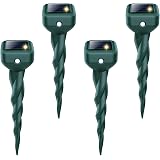
Mole Repellent Solar Powered, 4 Pack Snake & Skunk Repellent for Yard, IP 65 Waterproof Ultrasonic Deterrent Stakes, Get Rid of Rabbit, Gopher, Vole, Chipmunk, Deer, Groundhog for Lawns Garden
$39.99 (as of August 30, 2026 00:00 GMT +00:00 – More infoProduct prices and availability are accurate as of the date/time indicated and are subject to change. Any price and availability information displayed on [relevant Amazon Site(s), as applicable] at the time of purchase will apply to the purchase of this product.)Security for coastal vacation rentals demands layered, weather-resistant smart solutions you can manage remotely; prioritize reinforced entry locks, tamper-resistant door and window sensors, outdoor cameras with corrosion-resistant housings and privacy zoning, smart lighting on schedules and motion activation, water-leak and humidity monitors, and secure segmented Wi-Fi with VPN plus two-factor authentication so you can grant temporary access to guests and contractors while retaining control over your property.
Key Takeaways:
- Use weatherproof, corrosion-resistant hardware plus surge protection and battery/cellular failover to keep systems online during coastal storms and outages.
- Harden the network: WPA3, a separate guest SSID, router firewall/VLAN, automatic firmware updates and VPN or 2FA for admin access.
- Deploy smart locks with time-limited codes and audit logs, plus a physical backup key or lockbox for emergency access.
- Install flood/leak, humidity and temperature sensors with automatic shutoff valves and instant owner/manager alerts for water and mold risk.
- Limit cameras to exterior/entry points, use encrypted storage, provide clear guest notice and ensure compliance with local privacy laws.
Overview of Coastal Rentals
You manage properties with high seasonal demand, frequent guest turnover (average stays of 3-5 nights) and remote access challenges; that mix raises operational pressure on locks, check‑in systems and maintenance. Exposure to salt air, wind and surge events increases wear on electronics and drives higher insurance and upkeep costs, so your security choices must balance robustness, remote management and predictable operating expenses.
Unique Risks and Challenges
Salt corrosion shortens sensor lifespans, while storm surge and flooding can damage wired systems and power infrastructure. You also face more empty‑property windows off‑season, higher turnover theft risk during peak weeks, intermittent coastal internet, and longer emergency response times-so you need redundancy, marine‑rated hardware and policies that address both guest behavior and environmental hazards.
Importance of Security in Vacation Homes
Security directly affects guest safety, insurer terms and your review scores: breaches or unresolved maintenance incidents lead to refunds, negative reviews and booking loss. Implementing smart locks, cameras and leak/flood sensors preserves revenue and lowers liability exposure, making prevention and rapid incident response vital parts of your property management strategy.
Practical measures you can adopt include smart locks ($100-$300), weatherproof cameras ($100-$250) with tamper alerts, battery and cellular failover for internet, and flood sensors in bathrooms, kitchens and under HVAC units; monitored systems typically run $15-$30/month. Pair hardware with local contractor agreements and automated guest messaging so you cut response time and protect bookings when problems arise.
Smart Security Technology Options
Focus on a layered approach: combine surveillance, smart locks, door/window sensors, and environmental monitors with a reliable network and cellular backup. You should prioritize devices with IP66/IP67 ratings for salt-spray resistance, PoE cameras for steady power, and cloud storage with 30-90 day retention. Integration via Z-Wave, Zigbee or Wi‑Fi hubs lets you automate guest check‑ins and alerts; plan for battery replacement every 6-12 months in coastal climates and budget for corrosion-resistant mounting hardware.
Surveillance Cameras
Choose 1080p or 4K cameras with H.265 compression, IR night vision, and adjustable motion zones to reduce false alerts from wind-blown foliage. You’ll get better longevity with PoE models and IP66 housings, plus heated enclosures if fogging is an issue. Configure person/vehicle analytics and 30‑day cloud retention or local NAS backup, and place cameras to monitor entrances and parking while avoiding private neighbor sightlines to stay compliant with local privacy rules.
Smart Locks and Entry Systems
Select locks rated ANSI Grade 2 or better, with keypad code rotation, temporary guest codes and audit logs that integrate with your PMS (e.g., Guesty, Host Tools). You can choose Wi‑Fi models for remote code management or Z‑Wave locks tied to a hub for lower power use. Ensure a mechanical backup key, 6-12 month battery life, and auto‑lock timers to minimize lockouts and simplify turnover for multiple bookings.
For installation, prefer deadbolts with at least a 1‑inch throw and reinforced strike plates; this reduces forced-entry risk on high-traffic coastal properties. You’ll want tamper alerts and optional two‑factor access for managers, plus a process to auto-expire codes at checkout. In practice, operators who implement automatic code rotation and PMS integration report far fewer rekeying expenses and quicker guest access, while replacing batteries more frequently prevents most service calls in humid, salty environments.
Integration with Home Automation
Connect smart locks, flood sensors, thermostats, cameras and lighting through hubs such as Home Assistant or SmartThings; you can create geofenced rules, schedule “vacation mode” to lower HVAC by 3-5°F, and route alerts to your PMS via webhooks. Use Z-Wave/Zigbee for mesh reliability and 2.4 GHz Wi‑Fi for cameras to balance range and bandwidth.
Benefits of Smart Home Systems
You gain operational efficiency and higher guest convenience by automating self-check-in, staggered cleaning schedules, and occupancy-based lighting. Implement three-tier access (guest, cleaner, contractor), sync bookings to access timelines, and cut routine calls by routing noise, leak or entry alerts to your property manager via SMS, push and webhook integrations with platforms like Guesty or Hostfully.
Monitoring and Control
You can monitor live feeds, motion-triggered clips and sensor telemetry from a single dashboard; expect 1.5-4 Mbps per 1080p stream and cloud retention options typically ranging 7-30 days. Secure access with two-factor authentication, encrypt streams, and disable indoor camera streams for private areas to meet guest privacy expectations while maintaining perimeter visibility.
For more control, run local automations in Home Assistant or a local NVR to avoid cloud outages and reduce monthly costs. Configure compound automations-example: if glass-break sensor plus motion triggers between 11pm-6am, flash exterior lights, arm siren, and send an escalated SMS after 30 seconds; use VPN or ZeroTier for secure remote admin access without exposing ports.

Local Regulations and Compliance
You need to align your security plan with layered rules: municipal short‑term rental ordinances, county building codes, and state insurance requirements. Many coastal jurisdictions require registration, a local emergency contact, periodic inspections, proof of functioning smoke/CO alarms, and a plan for storm evacuation. Maintain permit numbers and inspection reports in your property management file so you can produce them for licensing renewals, inspections, or insurance audits.
Security Standards for Coastal Rentals
You should install devices that meet recognized standards: smoke and CO alarms per NFPA 72, tamper‑resistant detectors, and deadbolts or smart locks that meet ANSI/BHMA Grade 2 or better. Place exterior cameras only where legally allowed and post signage; keep guest privacy in mind. Also adopt flood‑resistant hardware for doors and use corrosion‑rated fixtures in salt air to avoid premature failure and maintain compliance during inspections.
Insurance Considerations
You’ll want a policy that specifically covers short‑term rentals or a commercial endorsement; standard homeowner policies often exclude frequent guest stays. Expect coastal exposures: flood policies through NFIP have a typical 30‑day waiting period, and windstorm deductibles are commonly written as 1-5% of insured value. Provide proof of monitored alarms and documented guest-vetting to qualify for available premium credits.
You should document everything to optimize coverage and speed claims: keep installation receipts, monitoring contracts, maintenance logs (quarterly checks recommended), incident reports, and guest registers. Insurers often require photos of recent upgrades and may ask for roof age, elevation above base flood elevation, and past loss history. Presenting a risk-reduction packet can lower inspection friction and improve negotiating leverage after a loss.

Cost-Effectiveness of Security Solutions
You can balance upfront hardware and ongoing monitoring: smart doorbells cost $100-250, smart locks $150-400, and a full system with sensors and hub typically runs $300-2,000. DIY monitoring often costs $0-30/month versus professional monitoring at $10-50/month. Coastal-proofing (stainless housings, IP66 ratings) usually adds 10-20% to equipment price but reduces replacement cycles. Many insurers offer 5-15% premium discounts for verified security, so you can recover investment over several years depending on incident rates and rental income.
Budgeting for Smart Security
Start by prioritizing necessarys: allocate ~40% of your security budget to cameras and locks, 30% to networking and surge protection, and 30% to monitoring and installation. For a coastal property, plan three budget tiers: basic $300-800, mid $800-2,500, and premium $2,500+. Factor an extra 10% for corrosion-resistant materials and set aside ~10% annually for maintenance and firmware updates so your systems stay reliable in salt-air environments.
Evaluating Return on Investment
Measure ROI by comparing total annualized costs against concrete savings: fewer thefts/damages, lower insurance premiums (commonly 5-15%), and incremental revenue from better guest reviews or occupancy (often 1-3%). Track incident frequency and average claim size; for example, avoiding a single $2,000 vandalism claim offsets much of a typical mid-range install. Include monitoring fees and replacement schedules to get an accurate payback horizon rather than relying on sticker prices alone.
To calculate payback, add your upfront cost plus annual operating expenses, then divide by yearly savings: insurance reductions, avoided claim costs, and added booking revenue. Example: $1,800 install + $300/year O&M; if you save $150/year on insurance, avoid $600/year in damages, and gain $400/year from higher occupancy, annual benefit is $1,150 and payback ≈1.6 years. Run this model under low/high incident scenarios to see risk-adjusted returns for your property.
Recommendations for Property Owners
You should treat security as an integrated system: run a separate WPA3 guest Wi‑Fi or VLAN, enable two‑factor authentication on your smart home hub, and set automatic firmware updates where possible. Issue unique PINs for each booking that expire at checkout, place exterior cameras only at entry points with 30‑day retention, and use corrosion‑resistant, IP65‑rated sensors and stainless steel locks for coastal conditions. Schedule professional inspections and battery checks every 6 months and keep a local locksmith and electrician on a preferred vendor list.
Best Practices in Implementation
Start with professional installation for exterior locks and sensors to ensure weatherproofing and correct placement; for example, mount door sensors 1-2 inches from the frame and use anchor bolts on wooden decks. Test failover: add a UPS for your hub and verify manual override for smart locks. Integrate systems so motion-triggered lights and camera alerts reduce false positives, and document procedures with screenshots and a 1‑page emergency checklist for cleaners and guests.
Communicating Security Features to Guests
Put concise security details in your listing and pre-arrival message: state that a unique smart‑lock code will be sent 24 hours before check‑in, exterior cameras monitor entrances only, and Wi‑Fi is on a separate guest network. Include local emergency numbers, on‑site contact info, and a one‑paragraph privacy note that explains data retention (e.g., 30 days) and how guests can report concerns.
Provide practical onboarding: send the PIN and a QR code for Wi‑Fi 24 hours before arrival, include a two‑step quickstart card in the welcome book (how to use the lock, thermostat, and any alarms), and add labeled photos for device locations. Offer a short in‑stay SMS or app message with troubleshooting tips and the local non‑emergency police number. This transparency reduces check‑in issues, builds trust, and limits disputes over surveillance or access when you document policies and expiration times for codes and recordings.
Final Words
Upon reflecting, you should prioritize weather-resistant smart locks with temporary access codes, exterior video doorbells and cameras rated for salt air, flood and humidity sensors tied to automatic shutoffs and alerts, and dependable remote monitoring with battery/backup power; combine these with smart lighting, strong encrypted Wi‑Fi, and integration into your rental-management platform so you can manage access, respond to incidents, and maintain guest safety and property protection even during storms or off-season vacancy.
FAQ
Q: Which smart security systems are best suited for coastal vacation rentals?
A: Choose a system built from weather-resistant, salt-tolerant components and modular devices so you can mix cameras, door/window sensors, smart locks, and leak detectors. Prioritize cloud-based monitoring with encrypted communications, local recording options, and a cellular failover for internet outages. Look for vendors that offer rugged, IP66+/marine-grade hardware, remote management tools, audit logs for guest access, and integrations with property management systems (PMS) to automate code generation and check-ins.
Q: What camera features work best around salt air, wind, and high humidity?
A: Use cameras rated IP66 or IP67 with marine-grade housings or anti-corrosion coatings, sealed connectors, and stainless fasteners. Choose models with wide dynamic range, IR or low-light performance, and configurables like privacy zones and motion filtering to reduce false alerts from moving vegetation. Prefer PoE installations with surge protection and local recording (SD/NVR) as backup to cloud storage. Plan sheltered, elevated mounts and a routine cleaning schedule to prevent salt buildup.
Q: How should guest access and smart locks be configured for short-term coastal rentals?
A: Implement smart locks that support scheduled, single-use, or time-limited PINs and integrate with your PMS to auto-issue codes per reservation. Enable audit logs and push/tamper alerts, require two-factor admin access, and keep a mechanical key or emergency entry plan on site. Use locks with battery health reporting and remote diagnostics, and avoid systems that require frequent physical resets in corrosive environments by selecting marine-rated hardware and protective escutcheons.
Q: What protections reduce corrosion and weather damage to security gear?
A: Install devices in IP-rated enclosures, use conformal coatings or factory-sealed electronics where available, and choose stainless or coated mounting hardware. Elevate and shelter equipment from direct spray, employ desiccants in enclosures, and use sacrificial zinc or corrosion-resistant brackets where appropriate. Add surge protection for power and network lines, keep critical hubs and routers in climate-controlled locations, and schedule seasonal inspections and component replacement intervals based on local salt exposure.
Q: Which network and power strategies maximize uptime for coastal vacation rentals?
A: Provide a separated guest Wi‑Fi VLAN with strong WPA3 encryption and a robust password policy, while keeping smart-home devices on an isolated network. Use enterprise-grade routers with automatic firmware updates and remote management. Add an uninterruptible power supply (UPS) for the router and security hub, and configure cellular failover or a secondary LTE gateway to maintain connectivity during outages. Monitor device battery levels and connectivity with alerts to the manager or monitoring service for rapid response.
Author


AmazerBath Shower Curtain Liner, 72×72 Clear Shower Curtain Liner, Waterproof Plastic Shower Liner, Cute Lightweight PEVA Shower Curtain for Bathroom with 3 Magnets and 12 Rustproof Metal Grommets
$9.99 (as of August 30, 2026 00:00 GMT +00:00 – More infoProduct prices and availability are accurate as of the date/time indicated and are subject to change. Any price and availability information displayed on [relevant Amazon Site(s), as applicable] at the time of purchase will apply to the purchase of this product.)
Garment Steamer Quick Wrinkle Removal | Garment Steamer Quick Wrinkle Removal 100ml
$29.99 (as of August 30, 2026 00:00 GMT +00:00 – More infoProduct prices and availability are accurate as of the date/time indicated and are subject to change. Any price and availability information displayed on [relevant Amazon Site(s), as applicable] at the time of purchase will apply to the purchase of this product.)
Glitter Fall Window Clings Autumn Thanksgiving Window Stickers Decals Decor | 6 Sheets Window Decals with Sparkling Powder, Happy Fall Decorations for Home Office School Classroom Kids Room Indoor Party
$6.98 (as of August 30, 2026 00:00 GMT +00:00 – More infoProduct prices and availability are accurate as of the date/time indicated and are subject to change. Any price and availability information displayed on [relevant Amazon Site(s), as applicable] at the time of purchase will apply to the purchase of this product.)
September 6th Personalized Zodiac Candle | Inspirational Astrology Reading and Daily Affirmation for Your Birthdate | Handmade Virgo Candles | Astrology Birthday Gifts for Women
$48.95 (as of August 30, 2026 00:00 GMT +00:00 – More infoProduct prices and availability are accurate as of the date/time indicated and are subject to change. Any price and availability information displayed on [relevant Amazon Site(s), as applicable] at the time of purchase will apply to the purchase of this product.)



Leave a Reply