
1PC Stainless Steel Colander Spoon, Noodle Strainer for Kitchen Cooking, Silver
(as of October 26, 2026 11:51 GMT +00:00 – More infoProduct prices and availability are accurate as of the date/time indicated and are subject to change. Any price and availability information displayed on [relevant Amazon Site(s), as applicable] at the time of purchase will apply to the purchase of this product.)
Barossa Design Oeko-tex Certified Shower Curtain Liner Standard Size, Clear | Waterproof PEVA, Rustproof Grommets, 3 Bottom Magnets, Cute Lightweight Bathroom Curtain, Fits Standard Tub 72″ Length
(as of October 26, 2026 11:51 GMT +00:00 – More infoProduct prices and availability are accurate as of the date/time indicated and are subject to change. Any price and availability information displayed on [relevant Amazon Site(s), as applicable] at the time of purchase will apply to the purchase of this product.)
DUMOS Ergonomic Office Chair, Executive Desk Chair with Lumbar Support | Fixed Armrest, Mid Back, Breathable Backrest, Height Adjustable, 360° Swivel, Computer Gaming, Meeting, Black
(as of October 26, 2026 11:51 GMT +00:00 – More infoProduct prices and availability are accurate as of the date/time indicated and are subject to change. Any price and availability information displayed on [relevant Amazon Site(s), as applicable] at the time of purchase will apply to the purchase of this product.)
2026 New 3 Packs Food Storage Containers Set with Lids, Stackable Food Containers for Meal Prep Kitchen Pantry, Transparent
(as of October 26, 2026 11:51 GMT +00:00 – More infoProduct prices and availability are accurate as of the date/time indicated and are subject to change. Any price and availability information displayed on [relevant Amazon Site(s), as applicable] at the time of purchase will apply to the purchase of this product.)
HydroJug Traveler 32oz, Insulated Water Bottle with Handle, French Vanilla | Triple wall insulated, flip straw lid, leak-resistant, stainless steel, cup holder friendly, BPA-free, dishwasher safe
AUD 56.85 (as of October 26, 2026 11:51 GMT +00:00 – More infoProduct prices and availability are accurate as of the date/time indicated and are subject to change. Any price and availability information displayed on [relevant Amazon Site(s), as applicable] at the time of purchase will apply to the purchase of this product.)Dark realities lurk behind the seemingly inviting facade of Airbnb rentals. As a guest, you may trust your host implicitly, but there are security risks that often go unspoken. From hidden cameras to inadequate emergency protocols, it’s vital to be aware of what you might not see. This post will unveil the issues that can jeopardize your safety and well-being during your stay, ensuring you’re equipped with the knowledge to protect yourself while enjoying your travels.
Key Takeaways:
- Hosts may not screen guests thoroughly, leading to potential safety risks.
- Airbnb’s insurance policies may have limitations and exclusions that affect claims.
- Property damage or theft is not guaranteed to be reimbursed, causing financial uncertainty.
- Public reviews can be misleading; hosts may not disclose previous negative experiences.
- Guests can leave behind sensitive information, risking privacy breaches for hosts.
Understanding Airbnb Security Risks
Hosts often underestimate the myriad security risks associated with Airbnb rentals, placing both their property and guests at risk. Issues can range from breaches of privacy to theft, and even potential legal problems. By recognizing these vulnerabilities, you can better protect yourself and make more informed decisions when choosing a rental or hosting your own property.
Overview of Common Security Threats
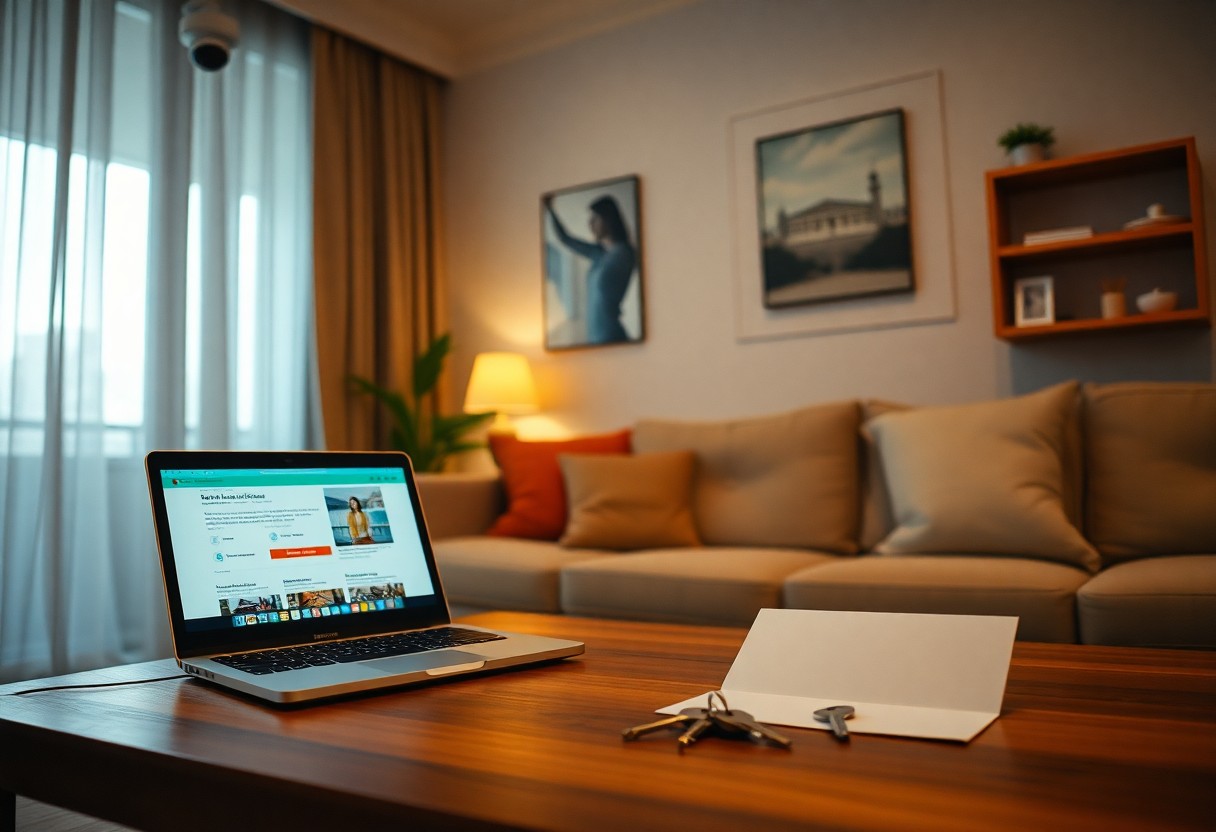
You may encounter several security threats as a guest or host on Airbnb, including unauthorized entry, data breaches, and property damage. Guests may face concerns about personal safety in homes lacking adequate security measures, such as reliable door locks or surveillance practices. Additionally, potential host scams could lead to financial losses and compromised personal information.
Host Negligence and Its Consequences
Negligence on the part of hosts can have severe repercussions for both their guests and themselves. Failing to implement crucial security features or neglecting to screen guests increases vulnerability to theft, property damage, or legal issues. Inadequate safety protocols put your personal safety at risk and can result in negative reviews or costly liabilities for the host.
For instance, a host who doesn’t change locks between guests may unintentionally enable a former renter to access the property without permission, posing a significant risk to both current guests and the host’s reputation. Additionally, lack of adequate insurance coverage could leave you facing massive financial losses in the event of damage or theft, further emphasizing the need for diligent hosting practices. It’s crucial to prioritize security measures to protect your interests and ensure a safe environment for everyone involved.
Key Vulnerabilities in Airbnb Properties
Understanding the vulnerabilities in Airbnb properties can significantly enhance your awareness as both a host and a guest. These vulnerabilities can range from physical security concerns to cybersecurity threats that can compromise personal information and safety, leading to potential risks during your stay or hosting experience.
Physical Security Issues
Physical security often takes a backseat in many Airbnb properties, leaving gaps that could pose dangers. Inadequate locks on doors and windows, lack of security cameras, and unmonitored entries can expose you to theft or unwanted intrusions. Many hosts may overlook the necessity for robust security measures, risking both their property and the safety of their guests.
Cybersecurity Risks for Hosts and Guests
Cybersecurity in the Airbnb ecosystem can be surprisingly vulnerable. Both hosts and guests frequently rely on weak passwords and unencrypted networks, making personal information susceptible to breaches. Without proper security protocols, data such as payment details and personal identification can be compromised, endangering your financial safety and privacy.
Numerous reports highlight the escalating incidents of cyberattacks targeting short-term rental platforms. Hackers often exploit unsecured Wi-Fi networks in Airbnb listings or phishing attempts disguised as official communications to collect sensitive information from both hosts and guests. In fact, a study revealed that over 50% of hosts use the same password across multiple sites, significantly increasing the risk of unauthorized access. By implementing strong, unique passwords and ensuring secure internet use, you can mitigate these risks effectively.
The Role of Airbnb’s Policies
Airbnb’s policies are designed to create a safer environment for both hosts and guests, yet gaps remain that can expose you to risks. These guidelines cover aspects like user verification, damage protection, and cancellation policies. However, they often fail to address the unique security concerns that arise in individual listings. Understanding the limitations of these policies is imperative for ensuring your safety when booking an Airbnb property.
Assessing Airbnb’s Safety Measures
While Airbnb implements various safety measures like host identification checks and a messaging system, many users find these inadequate. For instance, user verification can sometimes be bypassed, allowing individuals with questionable backgrounds to book properties. Furthermore, safety protocols may not cover incidents that occur outside standard situations, leaving you vulnerable to unforeseen issues during your stay.
Limitations of Airbnb’s Support System
Airbnb’s support system can often be slow to respond and lacks adequate 24/7 assistance, particularly in emergencies. Users have reported long wait times for critical issues, and resolution processes can be cumbersome. This delay can exacerbate situations like property damage or guest misconduct, leaving you feeling unsupported at critical moments.
In specific cases, hosts have cited their challenges in navigating Airbnb’s support channels after experiencing serious incidents. For instance, a host dealing with property theft found that filing a claim took weeks, during which they could not receive adequate guidance on securing their property. The lack of personalized and timely assistance amplifies the stress faced by both hosts and guests, revealing significant flaws in the reliability of Airbnb’s support framework.
Real-Life Incidents: When Things Go Wrong
Every year, numerous incidents occur that underscore the darker side of Airbnb’s security framework. From unauthorized parties to theft, these problems can leave you feeling vulnerable and questioning the safety of your rental experience.
Case Studies of Security Breaches
- New York City: In 2018, a host discovered that their property was used for a large unauthorized party, resulting in $20,000 in damages.
- Los Angeles: An Airbnb guest posted footage online, revealing a hidden camera in the bathroom, sparking investigations and major lawsuits against the host.
- San Francisco: An unauthorized guest gained access to an apartment via a compromised smart lock system, leading to theft of $5,000 worth of valuables.
- Chicago: A guest suffered a physical assault in an Airbnb rental due to inadequate security measures and a missing deadbolt.
- Paris: In early 2020, multiple guests reported stolen items after a host used duplicate keys to enter the property without consent.
Impact on Guests and Hosts
Security breaches don’t just affect property; they have emotional and financial repercussions for both guests and hosts. You may feel unsafe and regretful after an incident, overshadowing what was meant to be a pleasant experience. Hosts face potential legal actions, financial loss, and damage to their reputations, complicating their ability to attract future guests. Moreover, Airbnb’s vague support during crises can leave you feeling abandoned, increasing distrust in the platform’s overall reliability.
Tips for Enhancing Security as a Host
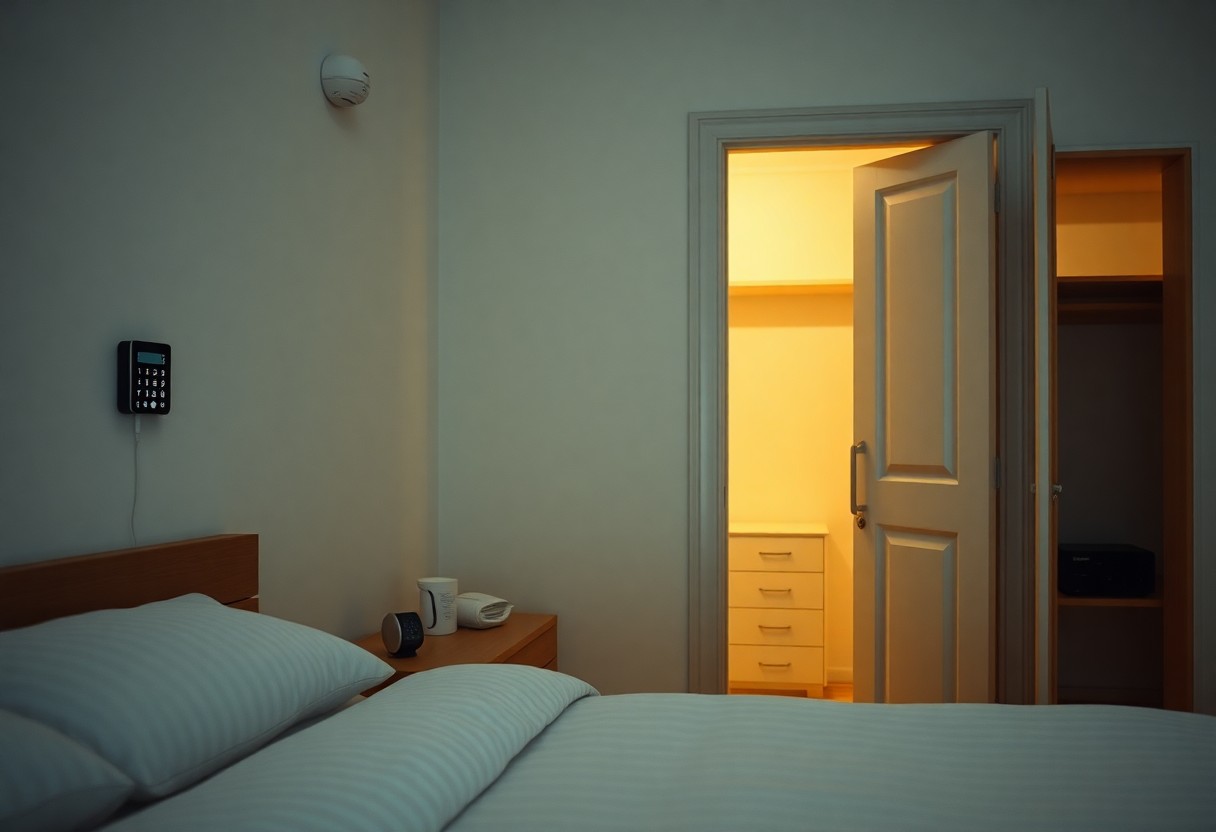
Enhancing security in your Airbnb property requires proactive measures to ensure the safety of your guests and your property. Implementing a few effective strategies can significantly reduce the risks and enhance your hosting experience.
- Install smart locks for keyless entry.
- Utilize security cameras in common areas.
- Regularly change your Wi-Fi password.
- Provide thorough check-in instructions.
- Screen guests thoroughly with verified identification.
Thou hold the safety of your guests and investment in your hands.
Best Practices for Physical Security
Securing your property physically starts with lock upgrades and proper lighting. Invest in deadbolts and slide locks for doors and windows, while ensuring outdoor areas are well-lit to deter potential intruders. Additionally, having a visible security system can create a psychological deterrent against unauthorized access. Regularly inspect and maintain security features to keep them functional.
Improving Digital Security Measures
Digital security is as vital as physical security. Having updated antivirus software is imperative to protect both your devices and sensitive guest information. Utilize strong, unique passwords for your Airbnb account and Wi-Fi, and consider setting up a separate network for guests. Regularly monitor your account for unfamiliar activity to ensure honesty on both sides.
Each digital security measure must be reinforced with thorough practices. For instance, employing two-factor authentication adds an extra layer of protection, making unauthorized access significantly harder. Always ensure your guests are aware of their responsibilities regarding your Wi-Fi network, especially if you choose to provide access. Updating passwords frequently and educating guests on security best practices can elevate the safety of your property and ensure a smoother hosting experience.
What Guests Should Know Before Booking
Before booking an Airbnb, you should familiarize yourself with potential risks and how to spot them. Too often, guests overlook warning signs that could compromise their safety. Learning about 13 Airbnb scams every guest and host should know can equip you to make informed decisions and avoid sketchy listings.
Evaluating Host Credibility
Assessing a host’s credibility starts with checking their reviews and ratings. Look for consistent positive feedback, especially about communication and cleanliness. A host with a significant number of reviews, particularly recent ones, generally indicates reliability. Engaging with the host before booking can also reveal their responsiveness and willingness to answer your questions.
Signs of a Secure Listing
Identifying a secure Airbnb listing involves several key indicators. Listings that provide thorough descriptions, high-quality images, and transparent pricing often indicate a serious host. Look for properties with verified IDs and those that mention adherence to local regulations. Free cancellation policies and responsive hosts are also good signs of a listing that prioritizes guest safety.
Additionally, features such as detailed safety information in the listing and frequent updates show that the host maintains awareness of security best practices. A secure property may offer smart locks, visible security systems, and regular maintenance checks, further ensuring a safe environment for your stay. Trustworthy listings usually boast a professional approach to hosting, backed by clear communication and outlined emergency procedures. By being vigilant about these signs, you increase your chances of staying in a secure environment.
To wrap up
Presently, understanding the dark side of Airbnb security is crucial for you as a host or guest. Your safety and privacy can be at risk due to unreported vulnerabilities, such as inadequate surveillance and unmonitored guest behavior. By recognizing these potential issues, you can take proactive measures to protect yourself and your property. Always be vigilant about screening guests, utilizing security features, and establishing clear house rules to mitigate risks. Your vigilance can help ensure a more secure and enjoyable experience in the Airbnb community.
FAQ
Q: What are the common security risks for Airbnb hosts?
A: Common security risks for Airbnb hosts include unauthorized access to the property, theft of personal belongings, and potential damage to the rental space. Additionally, hosts may face issues with guest identities and background checks.
Q: How can hosts protect their property from damage?
A: Hosts can protect their property by implementing security measures such as installing security cameras, using smart locks, and setting clear house rules for guests regarding care of the property. Regular maintenance and inspections can also help mitigate risks.
Q: What background checks are available for Airbnb guests?
A: Airbnb provides hosts with the option to conduct background checks on guests. This can include verification of government-issued identification, reviews from previous stays, and other available public records to assess guest reliability.
Q: What should hosts do if a guest damages their property?
A: If a guest damages property, hosts should document the damage with photographs, communicate with the guest about the issue, and file a claim through Airbnb’s Host Guarantee or resolution center for potential reimbursement.
Q: Are there insurance options specifically for Airbnb hosts?
A: Yes, there are insurance options specifically designed for Airbnb hosts. Many hosts opt for short-term rental insurance policies that cover property damage, liability, and loss of income due to damages or cancellations. It is advisable to research and compare various policies to find suitable coverage.
Author

Pureegg Halloween Plastic Table Cloth Disposable 54×108 3 Pack Rectangle | Table Cover,Pumpkin & Ghost Design,Leakproof & Sturdy,for Halloween Party Decorations, Halloween Birthday Decorations
(as of October 26, 2026 11:51 GMT +00:00 – More infoProduct prices and availability are accurate as of the date/time indicated and are subject to change. Any price and availability information displayed on [relevant Amazon Site(s), as applicable] at the time of purchase will apply to the purchase of this product.)
TERRO Liquid Ant Killer Bait Stations, 12-Pack, Indoor Ant Traps, T300B | Borax Formula, Kills the Queen & the Entire Colony, Liquid Ant Baits Indoor, Kills Household Ants, Indoor Use
(as of October 26, 2026 11:51 GMT +00:00 – More infoProduct prices and availability are accurate as of the date/time indicated and are subject to change. Any price and availability information displayed on [relevant Amazon Site(s), as applicable] at the time of purchase will apply to the purchase of this product.)
Barossa Design Oeko-tex Certified Shower Curtain Liner Standard Size, Clear | Waterproof PEVA, Rustproof Grommets, 3 Bottom Magnets, Cute Lightweight Bathroom Curtain, Fits Standard Tub 72″ Length
(as of October 26, 2026 11:51 GMT +00:00 – More infoProduct prices and availability are accurate as of the date/time indicated and are subject to change. Any price and availability information displayed on [relevant Amazon Site(s), as applicable] at the time of purchase will apply to the purchase of this product.)
Amazon Basics Lightweight Super Soft Easy Care Wrinkle Free Microfiber 3 Piece Bed Sheet Set with 14-Inch Deep Pockets, Twin, Navy Blue, Solid, Kids, Men & Women Bedding
(as of October 26, 2026 11:51 GMT +00:00 – More infoProduct prices and availability are accurate as of the date/time indicated and are subject to change. Any price and availability information displayed on [relevant Amazon Site(s), as applicable] at the time of purchase will apply to the purchase of this product.)


Leave a Reply