
BigFoot Clear Shower Curtain – 72×72 Odorless Plastic with Magnets, Washable Long Bathroom Curtain – Premium PEVA Waterproof Bath Curtain, Rust-Proof Bathroom Essentials
AUD 17.04 (as of October 26, 2026 11:51 GMT +00:00 – More infoProduct prices and availability are accurate as of the date/time indicated and are subject to change. Any price and availability information displayed on [relevant Amazon Site(s), as applicable] at the time of purchase will apply to the purchase of this product.)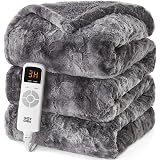
EHEYCIGA Electric Heated Throw Blanket 50″x60″, Faux fur & sherpa , Grey | ETL certified with overheat protection, 9 Heat & 10H Auto-Off, 85-110°F, , Machine washable, Perfect for bed, office, couch
AUD 42.62 (as of October 26, 2026 11:51 GMT +00:00 – More infoProduct prices and availability are accurate as of the date/time indicated and are subject to change. Any price and availability information displayed on [relevant Amazon Site(s), as applicable] at the time of purchase will apply to the purchase of this product.)
Frost Buddy Togo Buddy 30oz Iced Coffee Tumbler – ONE Lid (Espresso) | Insulated Iced Coffee Tumbler & Cup Sleeve for Iced Coffee Cups with Lids, Insulated Cup, Travel Mug
AUD 56.85 (as of October 26, 2026 11:51 GMT +00:00 – More infoProduct prices and availability are accurate as of the date/time indicated and are subject to change. Any price and availability information displayed on [relevant Amazon Site(s), as applicable] at the time of purchase will apply to the purchase of this product.)
TERRO Liquid Ant Killer Bait Stations, 12-Pack, Indoor Ant Traps, T300B | Borax Formula, Kills the Queen & the Entire Colony, Liquid Ant Baits Indoor, Kills Household Ants, Indoor Use
(as of October 26, 2026 11:51 GMT +00:00 – More infoProduct prices and availability are accurate as of the date/time indicated and are subject to change. Any price and availability information displayed on [relevant Amazon Site(s), as applicable] at the time of purchase will apply to the purchase of this product.)
HydroJug Traveler 32oz, Insulated Water Bottle with Handle, French Vanilla | Triple wall insulated, flip straw lid, leak-resistant, stainless steel, cup holder friendly, BPA-free, dishwasher safe
AUD 56.85 (as of October 26, 2026 11:51 GMT +00:00 – More infoProduct prices and availability are accurate as of the date/time indicated and are subject to change. Any price and availability information displayed on [relevant Amazon Site(s), as applicable] at the time of purchase will apply to the purchase of this product.)There’s a unique set of challenges when managing a remote holiday home, especially when connectivity is limited or unstable. To keep your off-grid or rural getaway secure and functional, you need smart systems that rely on cellular networks or Wi-Fi-free technology, along with solar-powered devices and battery backups. This guide will help you build an efficient setup to monitor and control your vacation home seamlessly, even when you’re miles away.

Key Takeaways:
- Reliable connectivity in off-grid or rural vacation homes is best achieved through cellular-based systems or Wi-Fi-free networks that do not depend on traditional internet infrastructure.
- Solar-powered devices combined with efficient battery backups ensure uninterrupted power for smart home systems, even in remote locations with limited electricity access.
- Smart home setups should prioritize low-energy sensors and automation tailored for vacation homes, optimizing system longevity and reducing maintenance needs.
- Remote monitoring solutions, such as cellular-enabled cameras and environmental sensors, allow homeowners to track security and home conditions without physical presence.
- Integration of smart devices with centralized management apps streamlines control and alerts, making it easier to manage settings and respond to issues from anywhere in the world.
Navigating the Remote Connectivity Minefield
Securing reliable connectivity at a remote vacation home demands a balance between limited infrastructure and the need for consistent monitoring and control. You’ll often face patchy signals, power interruptions, and distance from service providers, which complicates setting up a stable, smart home system. Dealing with these hurdles requires leveraging alternative technologies and power solutions tailored to environments where traditional internet fails, ensuring your home stays connected and secure even miles away.
The Limitations of Conventional Internet Solutions
Traditional broadband and cable internet rarely extend to remote or off-grid locations, leaving satellite internet as the usual fallback, but it suffers from high latency and weather sensitivity. DSL and fiber options are often non-existent or prohibitively expensive to install. Additionally, relying on these wired services can leave you vulnerable during power outages without proper battery backup, limiting your control over smart devices when you’re not onsite.
Alternative Connectivity Options for Off-Grid Living
Cellular-based systems like LTE and emerging 5G hotspots offer flexible, wireless internet that sidesteps the need for physical cables. Some models support multiple SIM cards to switch between carriers automatically, maximizing uptime. Beyond cellular, you might explore long-range point-to-point radio links or low-bandwidth satellite modems designed for IoT devices, which consume minimal power and extend monitoring capabilities over vast distances.
Deploying cellular routers equipped with dual SIM slots allows your smart home devices to maintain consistent connectivity despite spotty coverage from any single carrier. Coupled with solar-powered battery backups providing 12-24 hours of autonomy, these setups enable uninterrupted data transmission from security cameras, environmental sensors, and control hubs. Integrating technologies like LoRaWAN for sensor networks further reduces bandwidth consumption while expanding the range over which you can monitor conditions such as humidity, temperature, and intrusion remotely.
Powering Possibilities: Solar Solutions for Smart Homes
Off-grid vacation homes often face inconsistent power availability, making solar energy a natural fit to keep your smart devices running smoothly. Solar panels paired with battery backups can provide reliable and silent power, especially in rural areas where grid access is limited or nonexistent. Pairing these systems with cellular-based monitoring tools ensures you stay connected remotely, while reducing dependence on traditional power sources. Efficient solar setups not only maintain functionality but also support environmentally friendly operation, making long-term off-grid management feasible and convenient.
Assessing Energy Needs: Size Matters
Estimating your energy consumption starts with listing all smart devices—thermostats, security cameras, lighting, and sensors—and their wattage. For instance, a typical smart camera consumes around 5W continuously, adding up over days. You’ll want to calculate daily watt-hours and factor in peak usage times. A 500Wh daily load might require a 200W solar panel array with a 1kWh battery to cover cloudy days. Oversizing batteries slightly by 20-30% extends backup duration and smooths out power dips, which can be critical for uninterrupted monitoring.
Choosing the Right Solar-Powered Devices
Opt for devices specifically designed for low power consumption and solar compatibility, such as Zigbee sensors or cellular routers with deep sleep modes. Solar-powered security cameras like the Reolink Argus 3 Pro use motion-activated recording to conserve energy. Integrating smart thermostats with solar-charged battery packs keeps climate control active without grid reliance. Selecting devices with flexible power inputs—like 12V or USB-C options—simplifies integration with solar battery systems and controllers.
Exploring solar-powered devices widens true off-grid functionality. Products like the Ring Spotlight Cam Battery combine built-in solar panel options to sustain their operation indefinitely without AC power. Some systems incorporate Maximum Power Point Tracking (MPPT) charge controllers for efficient solar energy harvesting, optimizing panel output under varying light conditions. You might pair solar battery packs with cellular network dongles to create hotspot-independent smart hubs, enabling remote alerts without Wi-Fi. Manufacturers increasingly prioritize energy efficiency, allowing multi-month operation on a single charge, reducing maintenance during extended unoccupied periods at your vacation home.
Smart Monitoring Without Proximity
Managing your vacation home remotely demands reliable, low-maintenance monitoring solutions tailored for off-grid or rural locations. Cellular-based cameras and Wi-Fi-free sensors powered by solar panels let you track activity without direct internet dependency. Battery-backed devices ensure continuous operation during power outages while sending real-time alerts to your smartphone. Services leveraging LTE or 5G networks provide seamless connectivity where wired internet fails, offering peace of mind even hundreds of miles away.
Innovative Security Systems for Remote Properties
Advanced security setups utilize cellular-connected cameras with integrated AI for motion detection, minimizing false alerts caused by wildlife. Systems like Ring’s cellular cameras or SimpliSafe’s LTE-enabled alarms combine solar power with multi-month battery life. You can customize geofencing and automate responses such as triggering lights or sirens remotely, enhancing deterrence without needing a constant physical presence.
Sensors and Alarms: Keeping an Eye from Afar
Deploying a mix of door/window sensors, flood detectors, and temperature monitors, all cellular-enabled and solar-powered, lets you spot threats early. Alerts reach you instantly via dedicated apps or SMS, enabling swift reactions to fire risks, unauthorized entry, or plumbing leaks. Battery backups keep sensors online for weeks, mitigating rural power instability and preventing costly damage before it escalates.
Expanding on sensor technology, many off-grid vacation homes integrate multi-sensor hubs that combine motion, light, humidity, and even air quality readings. For example, Aqara’s solar-charged sensor kits communicate over LTE hubs that sync with your phone, allowing you to monitor environmental variances and security events in one dashboard. With predictive analytics, some systems can identify patterns—like abnormal temperature drops hinting at heating failure—helping you schedule maintenance proactively, long before problems impact your remote retreat.
Off-Grid Automation: Enhancing Comfort and Convenience
Automation tailored for off-grid vacation homes leverages solar-powered systems and cellular networks to maintain comfort without relying on traditional infrastructure. Battery backups ensure continuous operation during cloudy days or low-signal periods. Devices like smart lighting, security sensors, and climate controls optimize energy use, letting you fine-tune your environment remotely while adapting to the unique challenges of rural settings with limited connectivity and power.
Smart Appliances for Daily Living
Your off-grid home benefits from appliances designed to run efficiently on limited power sources. Solar-ready refrigerators, energy-efficient induction cooktops, and cordless water heaters minimize energy consumption. Many smart devices can operate offline or via cellular signals, allowing you to schedule usage and receive operational alerts without Wi-Fi, extending appliance lifespan and reducing waste during extended periods away.
Remote-Controlled Systems: Water and Temperature Management
Integrating remote controls with water pumps, irrigation, and heating systems enables precise management despite extended distances. Solar-powered water pumps paired with cellular-enabled controllers let you monitor well levels and initiate flow remotely. Thermostats linked to battery-backed systems automatically adjust to weather changes, maintaining comfortable temperatures inside without manual intervention.
Remote-Controlled Systems: Key Features and Benefits
| Solar-Powered Water Pumps | Operate without grid power, controlled remotely via cellular systems, with status alerts to your phone for maintenance needs. |
| Battery-Backed Thermostats | Ensure consistent climate control during power outages, capable of learning preferences and adapting schedules without constant connectivity. |
| Automated Irrigation Controllers | Adjust watering cycles based on weather data received via cellular, preserving water and safeguarding landscaping without manual oversight. |
| Remote Leak Detection Sensors | Alert you instantly about leaks or pipe bursts, preventing damage when your property is unoccupied for weeks at a time. |

Planning for the Unexpected: Battery Backup Systems
Battery backup systems act as the safety net for your remote holiday home’s smart setup, especially when solar power fluctuates or cellular signals drop. A well-sized lithium-ion battery bank paired with a solar charge controller can keep critical devices online for 24 to 48 hours during outages. Integrating automatic transfer switches ensures seamless power shifts without manual intervention. Models like the Tesla Powerwall or Goal Zero Yeti offer reliable off-grid storage that supports everything from security cameras to water pumps, giving you peace of mind even in rural areas prone to intermittent energy supply.
Essential Considerations for Off-Grid Energy Resilience
Balancing energy consumption with available solar generation shapes your system’s resilience. You’ll want to size your battery capacity at least 1.5 times your critical load for autonomy during cloudy days. Cellular-based hubs consume less power than Wi-Fi routers, extending backup duration. Monitoring state-of-charge remotely via apps helps you anticipate power shortages before they affect operations. Keep surge protectors and low-voltage disconnects in place to protect batteries from damaging deep discharge or voltage spikes common in off-grid scenarios.
Best Practices for Maintenance and Longevity
Regularly inspect battery terminals for corrosion and ensure all connections remain tight to prevent energy losses or hazards. Seasonal checkups of solar panels, including cleaning and angle adjustments, optimize energy harvest. Firmware updates on smart inverters and monitoring units can enhance efficiency and security. For lead-acid batteries, maintain electrolyte levels as specified, while lithium-ion options benefit from temperature-controlled enclosures to avoid thermal degradation. Logging performance metrics monthly provides insight into gradual declines and signals when replacements or upgrades are due.
Digging deeper into maintenance, keeping your battery backup in optimal condition entails monitoring charge cycles and avoiding complete discharges, as these shorten battery life. Using thermal sensors helps prevent overheating during peak solar input or discharging phases. Combining automated alerts with a routine physical inspection schedule uncovers issues like swelling or leakage early, preventing costly failures. Pairing maintenance apps with your remote monitoring system ensures you can manage these tasks even when miles away, safeguarding continuous operation throughout the seasons.
Conclusion
So, when designing the ultimate smart home setup for your remote holiday home in 2025, you benefit from integrating cellular-based connectivity and solar-powered systems with reliable battery backups. This approach ensures consistent monitoring and control without relying on unstable Wi-Fi networks. By choosing devices tailored for off-grid environments, you can maintain peace of mind and stay connected to your property from anywhere, even when you’re not nearby.
FAQ
Q: What are common connectivity challenges for smart home systems in rural or off-grid vacation homes?
A: Rural and off-grid vacation homes often face limited or unreliable broadband internet options, which can affect the performance of traditional Wi-Fi-based smart devices. Cellular signal strength may vary, and satellite internet, while available, can have latency issues. These connectivity constraints require alternative communication methods or hybrid solutions to ensure consistent smart home operation.
Q: Which types of smart home systems are best suited for Wi-Fi-free or limited-connectivity environments?
A: Cellular-based smart home systems that utilize 4G/5G LTE networks provide a reliable alternative where Wi-Fi is unavailable or unstable. Additionally, LoRaWAN or Zigbee mesh systems can operate locally with low power consumption. Devices that can function offline or with local hubs minimize dependency on external internet connections, improving reliability in remote settings.
Q: How can solar power and battery backups enhance smart home setups in off-grid vacation homes?
A: Solar panels paired with battery storage systems enable continuous power supply for necessary smart devices and hubs, reducing reliance on grid electricity. This setup supports uninterrupted monitoring, lighting, and environmental controls. It also safeguards security systems and communication devices during power outages, enhancing the home’s autonomy and reliability.
Q: What methods are available to monitor remote vacation homes without being physically nearby?
A: Remote monitoring can be achieved through cellular-enabled cameras and sensors that transmit alerts and status updates via mobile networks. Many smart home platforms offer cloud access through apps, enabling real-time control and notifications. Additionally, some systems provide periodic health checks and automated reports to track device functionality and environmental conditions remotely.
Q: Are there specific smart home devices designed to work efficiently in off-grid or limited access holiday homes?
A: Yes, devices such as solar-powered security cameras, battery-backed environmental sensors, and energy-efficient smart lighting are tailored for off-grid use. Many manufacturers now offer modular smart hubs with cellular connectivity and offline operational modes. Selecting equipment with low power requirements and robust local automation capabilities ensures optimal performance in remote vacation homes.
Author

Frost Buddy Togo Buddy 30oz Iced Coffee Tumbler – ONE Lid (Espresso) | Insulated Iced Coffee Tumbler & Cup Sleeve for Iced Coffee Cups with Lids, Insulated Cup, Travel Mug
AUD 56.85 (as of October 26, 2026 11:51 GMT +00:00 – More infoProduct prices and availability are accurate as of the date/time indicated and are subject to change. Any price and availability information displayed on [relevant Amazon Site(s), as applicable] at the time of purchase will apply to the purchase of this product.)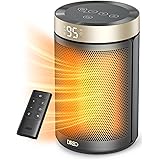
DREO Space Heater, Portable Electric Heaters for Indoor Use with Thermostat | 2026 Upgraded, 34dB Quiet, 12H Timer, 5 Mode, Remote, 1500W PTC Ceramic Fast Safety Heat for Office Bedroom Home, Gold
(as of October 26, 2026 11:51 GMT +00:00 – More infoProduct prices and availability are accurate as of the date/time indicated and are subject to change. Any price and availability information displayed on [relevant Amazon Site(s), as applicable] at the time of purchase will apply to the purchase of this product.)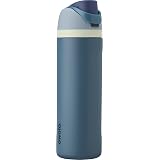
Owala FreeSip Stainless Steel Water Bottle 24 oz Denim
(as of October 26, 2026 11:51 GMT +00:00 – More infoProduct prices and availability are accurate as of the date/time indicated and are subject to change. Any price and availability information displayed on [relevant Amazon Site(s), as applicable] at the time of purchase will apply to the purchase of this product.)
Ivory Taper Candles 0.87×10 Inch, 4 Pack Dripless Unscented Candle Sticks, | 7 H long burning smokeless tall tapered candlesticks for dinner table,home decor,wedding,devotional prayer candle,emergency
AUD 9.23 (as of October 26, 2026 11:51 GMT +00:00 – More infoProduct prices and availability are accurate as of the date/time indicated and are subject to change. Any price and availability information displayed on [relevant Amazon Site(s), as applicable] at the time of purchase will apply to the purchase of this product.)



Leave a Reply