
Barossa Design Oeko-tex Certified Shower Curtain Liner Standard Size, Clear | Waterproof PEVA, Rustproof Grommets, 3 Bottom Magnets, Cute Lightweight Bathroom Curtain, Fits Standard Tub 72″ Length
(as of October 27, 2026 11:56 GMT +00:00 – More infoProduct prices and availability are accurate as of the date/time indicated and are subject to change. Any price and availability information displayed on [relevant Amazon Site(s), as applicable] at the time of purchase will apply to the purchase of this product.)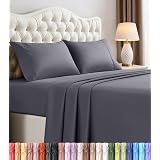
Queen Sheets Set, 4 Pieces 16″ Deep Pocket Hotel Luxury Bed Sheets, Grey | Extra Soft Bedsheet Set for Kids, Women & Men, Comfy & Breathable Cooling Sheets, Fitted Sheet, Flat Sheet, 2 Pillowcase
(as of October 27, 2026 11:56 GMT +00:00 – More infoProduct prices and availability are accurate as of the date/time indicated and are subject to change. Any price and availability information displayed on [relevant Amazon Site(s), as applicable] at the time of purchase will apply to the purchase of this product.)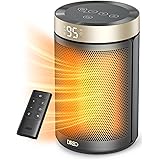
DREO Space Heater, Portable Electric Heaters for Indoor Use with Thermostat | 2026 Upgraded, 34dB Quiet, 12H Timer, 5 Mode, Remote, 1500W PTC Ceramic Fast Safety Heat for Office Bedroom Home, Gold
(as of October 27, 2026 11:56 GMT +00:00 – More infoProduct prices and availability are accurate as of the date/time indicated and are subject to change. Any price and availability information displayed on [relevant Amazon Site(s), as applicable] at the time of purchase will apply to the purchase of this product.)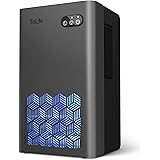
ToLife Dehumidifier, 1000 Sq Ft 95 oz Tank with Sleep Mode, Auto Shutoff | Portable for Home, Bedroom, Bathroom and Basement with 7-Color LED Light, Grey
AUD 85.38 (as of October 27, 2026 11:56 GMT +00:00 – More infoProduct prices and availability are accurate as of the date/time indicated and are subject to change. Any price and availability information displayed on [relevant Amazon Site(s), as applicable] at the time of purchase will apply to the purchase of this product.)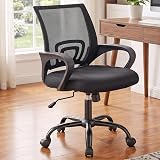
DUMOS Ergonomic Office Chair, Executive Desk Chair with Lumbar Support | Fixed Armrest, Mid Back, Breathable Backrest, Height Adjustable, 360° Swivel, Computer Gaming, Meeting, Black
(as of October 27, 2026 11:56 GMT +00:00 – More infoProduct prices and availability are accurate as of the date/time indicated and are subject to change. Any price and availability information displayed on [relevant Amazon Site(s), as applicable] at the time of purchase will apply to the purchase of this product.)Smart technology has transformed how you protect your holiday home, combining Wi-Fi connectivity, advanced locks, and alarm systems into a powerful security network. By integrating these components, you gain real-time monitoring and remote control capabilities, ensuring your property stays secure whether you’re nearby or miles away. This smart trio not only deters potential intruders but also gives you peace of mind, knowing your investment is safeguarded with modern, reliable solutions tailored for your unique needs. Understanding how these elements work together empowers you to enhance your holiday home’s security efficiently and effectively.
Key Takeaways:
- Integrating Wi-Fi with smart locks and alarms enhances security for holiday homes by enabling remote monitoring and control.
- Smart locks provide keyless entry solutions, reducing risks associated with physical keys and allowing for temporary access codes.
- Alarms connected to Wi-Fi networks can send instant alerts to homeowners or security services when suspicious activity is detected.
- The combination of these smart devices helps create a comprehensive security system that can be managed via smartphone apps.
- Reliable internet connectivity is crucial to ensure the seamless operation of smart security devices in holiday homes.
The Backbone of Smart Security: Why Robust Wi-Fi is Essential
Your smart security devices depend on a stable and strong Wi-Fi network to function seamlessly. Without reliable Wi-Fi, alerts from sensors, live surveillance footage, and remote lock operations can lag or fail altogether. Holiday homes often face unique connectivity challenges, making a robust wireless infrastructure the foundation that supports every smart lock and alarm feature you rely on for continuous protection.
Bandwidth Demands of Smart Devices
Video surveillance cameras typically consume between 1.5 to 6 Mbps each when streaming in HD, and multiple devices can quickly saturate your network. Smart locks and alarms may have lower bandwidth needs but require steady, real-time communication. Balancing these demands, especially during peak usage, ensures your system remains responsive and effective without interruptions or delays.
Enhancing Connectivity and Reliability
Deploying mesh Wi-Fi systems or signal extenders in your holiday home addresses dead zones where device signals struggle. Prioritizing security device traffic through Quality of Service (QoS) settings safeguards critical alerts. Regularly updating router firmware and choosing dual-band routers can fortify your network’s resilience against interferences and outages, translating directly to consistent performance of your smart security ensemble.
Advanced configurations such as setting static IPs for security devices prevent connection issues caused by dynamic addressing, which can disrupt communication with your smart system. Utilizing Ethernet backhaul within mesh networks minimizes latency and packet loss, which is particularly beneficial if you depend on features like live video streaming or instant alert notifications. Regular speed tests during various times confirm your network meets the fluctuating bandwidth needs of your security devices, enabling proactive troubleshooting before any security lapse occurs.
Securing Your Haven: The Transformative Power of Smart Locks
Smart locks revolutionize how you secure your holiday home by replacing traditional keys with digital access methods. These devices leverage your smartphone, biometrics, or customizable passcodes, giving you control over who enters and when. By integrating with your Wi-Fi network, smart locks send real-time notifications and allow remote locking and unlocking, perfect for managing access during rentals or when visitors arrive unexpectedly. This level of automation not only enhances security but also adds convenience, letting you safeguard your property without physical presence.
Key Advantages of Smart Lock Technology
Smart locks offer features like keyless entry, temporary access codes, and seamless integration with home automation systems. You can create time-sensitive permissions for guests, track access logs to monitor who has entered, and instantly receive alerts for unauthorized attempts. These benefits reduce the risks associated with lost or duplicated keys and offer flexibility in managing multiple users. Their compatibility with voice assistants and remote controls further simplifies daily use, making your holiday home both safer and more user-friendly.
Top Brands to Consider for Optimal Security
Leading manufacturers like August, Schlage, and Yale have established their presence with robust smart lock solutions. August’s Pro model excels in easy installation and offers features like DoorSense to detect door status. Schlage Encode integrates built-in Wi-Fi and boasts ANSI Grade 1 security, combining durability with smart functions. Yale Assure provides versatile compatibility across platforms such as Apple HomeKit and Google Assistant, catering to varied ecosystems. Choosing from these trusted brands ensures advanced protection backed by proven reliability.
Beyond these, companies like Kwikset and Ultraloq bring unique innovations worth exploring. Kwikset’s SmartKey technology complements their smart locks with advanced key control, reducing the risk of unauthorized duplication. Ultraloq’s U-Bolt Pro offers biometric unlocking options alongside app control, enhancing security layers. Evaluating your specific needs such as installation type, compatibility, and desired features will help you select a smart lock that seamlessly integrates with your existing home automation setup while providing peace of mind.
The Silent Sentinels: Smart Alarms That Keep You Informed
Smart alarms act as your home’s vigilant guardians when you’re away, continuously monitoring for any unusual activity or hazards. They extend safety beyond just intrusion detection by integrating with other smart home devices, offering you instant updates no matter where you are. This networked approach means you receive timely alerts that empower you to act swiftly, effectively turning your holiday home into a well-protected fortress without the need for constant physical presence.
Real-time Monitoring and Emergency Alerts
With smart alarms equipped for real-time monitoring, you get instant notifications via your smartphone the moment a sensor detects anything amiss — from smoke to motion or glass breaking. These systems connect directly to emergency services or local contacts, drastically reducing response times. For example, some devices provide live audio or video feeds to verify events, helping you distinguish false alarms from actual threats before taking action.
Features That Matter: From Sensors to Integrations
Smart alarms today come loaded with a variety of sensors—motion detectors, smoke and carbon monoxide sensors, glass-break detectors—that work together seamlessly. They integrate with Wi-Fi locks and security cameras, enabling comprehensive control through a single app. Customizable alert settings allow you to prioritize notifications based on severity and time, ensuring you’re kept informed without being overwhelmed.
Diving deeper, these advanced sensors can differentiate between pets and intruders using AI algorithms, significantly reducing false alarms. Integration with voice assistants like Alexa or Google Assistant lets you arm or disarm alarms remotely with voice commands. Moreover, features like geofencing automatically activate your system when you leave a predefined area. Some setups incorporate environmental sensors, detecting temperature changes or flooding, thus broadening the scope of protection your holiday home enjoys.
Orchestrating the Ensemble: Integrating Wi-Fi, Locks, and Alarms
Combining Wi-Fi, smart locks, and alarms into a cohesive system transforms your holiday home’s security from independent components into an intelligent network. The synergy lets you receive real-time alerts, remotely lock doors, and activate alarms through a single interface. For example, if a door is unlocked unexpectedly, your alarm system can trigger instantly while you receive a push notification on your phone. This interconnected setup not only deters intruders but also gives you peace of mind with seamless control, no matter where you are.
Creating a Unified Smart Security System
You can integrate your devices via platforms like Apple HomeKit, Google Home, or Amazon Alexa, which allow centralized management. Using a compatible hub or app, you synchronize smart locks to activate or disarm alarms automatically when you enter or leave, reducing false alarms. Some systems even link to local emergency services for faster responses. Each component communicates over Wi-Fi, forming an intelligent ecosystem that adapts to your daily patterns and enhances security without complicating user control.
Best Practices for Seamless Operation and Management
Maintain consistent firmware updates on all devices to ensure compatibility and patch vulnerabilities. Configure notifications wisely to prioritize urgent alerts, preventing alert fatigue. Regularly test the system’s functionality, such as locking and alarm triggers, especially before extended absences. Secure your home Wi-Fi with strong encryption and unique passwords to avoid hacking risks and enable guest access restrictions. Properly managing device access for family, renters, or maintenance adds an additional security layer.
Diving deeper, scheduling automatic updates minimizes security gaps from outdated software, while using two-factor authentication for your smart home apps mitigates unauthorized control attempts. Carefully segmenting your Wi-Fi network—using IoT-specific networks where supported—helps isolate security devices from general internet traffic and devices prone to vulnerabilities. Also, documenting and labeling each device’s function within the app can enhance troubleshooting and coordinated responses in case of an alert.
Final Words
Taking this into account, integrating Wi-Fi, smart locks, and alarms creates a powerful security system that protects your holiday home efficiently. By monitoring your property remotely and controlling access in real time, you gain peace of mind knowing your investment is safeguarded. You can customize alerts to suit your needs and respond promptly to any suspicious activity. Embracing this smart trio not only enhances safety but also adds convenience, allowing you to enjoy your time away without worry. Ultimately, investing in these technologies empowers you to keep your holiday home secure with confidence and ease.
FAQ
Q: How do Wi-Fi enabled locks enhance the security of holiday homes?
A: Wi-Fi enabled locks allow homeowners to monitor and control access to their holiday homes remotely via a smartphone app. This capability means they can grant temporary access to guests or maintenance personnel, receive alerts about lock activity, and ensure doors are securely locked without being physically present.
Q: What role do smart alarms play in protecting holiday properties?
A: Smart alarms provide real-time monitoring and instant notifications if unusual activity is detected. Many systems integrate sensors for doors, windows, motion, and even environmental hazards like smoke or carbon monoxide, offering comprehensive protection and peace of mind when away from the property.
Q: Can Wi-Fi connectivity in holiday homes be considered reliable enough for continuous security monitoring?
A: The reliability of Wi-Fi depends on the quality of the internet service in the area. Using a dedicated, stable Wi-Fi network with backup power solutions like battery backups or cellular failover can ensure continuous connectivity, which is necessary for uninterrupted security monitoring.
Q: Are there privacy concerns associated with using smart locks and alarms in holiday homes?
A: Privacy is an important consideration. Users should choose reputable brands that employ strong encryption and secure data practices. It is also advisable to regularly update device software, use strong passwords, and control access permissions to protect personal information from unauthorized access.
Q: How can homeowners integrate Wi-Fi, locks, and alarms to create a comprehensive security system?
A: Many smart home platforms allow integration of Wi-Fi-enabled locks and alarms into a single system controlled through one app. This integration facilitates synchronized alerts, centralized control, and automated responses such as arming alarms when doors are locked, simplifying management and enhancing overall security.
Author

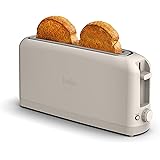
bella Fits-Anywhere™ 2-Slice Slim Toaster, Long Slot & Extra Wide, Oatmilk
(as of October 27, 2026 11:56 GMT +00:00 – More infoProduct prices and availability are accurate as of the date/time indicated and are subject to change. Any price and availability information displayed on [relevant Amazon Site(s), as applicable] at the time of purchase will apply to the purchase of this product.)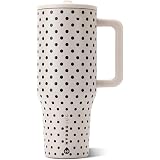
HydroJug Traveler 32oz, Insulated Water Bottle with Handle, French Vanilla | Triple wall insulated, flip straw lid, leak-resistant, stainless steel, cup holder friendly, BPA-free, dishwasher safe
AUD 56.93 (as of October 27, 2026 11:56 GMT +00:00 – More infoProduct prices and availability are accurate as of the date/time indicated and are subject to change. Any price and availability information displayed on [relevant Amazon Site(s), as applicable] at the time of purchase will apply to the purchase of this product.)
Owala SmoothSip Slider Insulated Stainless Steel Coffee Tumbler, Reusable Iced Coffee Cup, Hot Coffee Travel Mug, BPA Free 12 oz, Vanilla Bean
(as of October 27, 2026 11:56 GMT +00:00 – More infoProduct prices and availability are accurate as of the date/time indicated and are subject to change. Any price and availability information displayed on [relevant Amazon Site(s), as applicable] at the time of purchase will apply to the purchase of this product.)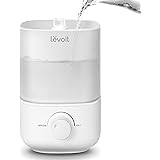
Levoit Top Fill Humidifiers for Bedroom, 2.5L Tank for Large Room, 25dB | Easy to Fill & Clean, Quiet Cool Mist Air Humidifier for Home Baby Nursery & Plants, Auto Shut-off for Safety, 25H Lasting
(as of October 27, 2026 11:56 GMT +00:00 – More infoProduct prices and availability are accurate as of the date/time indicated and are subject to change. Any price and availability information displayed on [relevant Amazon Site(s), as applicable] at the time of purchase will apply to the purchase of this product.)



Leave a Reply