
DUMOS 32 Inch Small Computer Desk, Home Office Desks for Bedroom, Black | Modern Study Writing Work Table, Craft PC Gaming Desk Simple Workstation with Reinforcement Structure
(as of October 26, 2026 11:51 GMT +00:00 – More infoProduct prices and availability are accurate as of the date/time indicated and are subject to change. Any price and availability information displayed on [relevant Amazon Site(s), as applicable] at the time of purchase will apply to the purchase of this product.)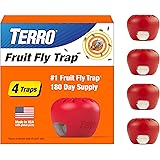
TERRO Fruit Fly Trap 4-Pack, 180 Day Lure Supply, Food-Based Lure | Apple-Shaped Design for Kitchen Counters, Fruit Bowls, Trash Cans, Food-Based Lure, Indoor Pest Control, Fruit Fly Killer
(as of October 26, 2026 11:51 GMT +00:00 – More infoProduct prices and availability are accurate as of the date/time indicated and are subject to change. Any price and availability information displayed on [relevant Amazon Site(s), as applicable] at the time of purchase will apply to the purchase of this product.)
5 Pack Closet Organizers and Storage, Reinforced Stackable Closet 16.73″ in | Foldable Closet Storage Bins for Clothes, Towels, Stackable Wardrobe Shelf Organizer for Bedroom & Laundry Room
AUD 85.28 (as of October 26, 2026 11:51 GMT +00:00 – More infoProduct prices and availability are accurate as of the date/time indicated and are subject to change. Any price and availability information displayed on [relevant Amazon Site(s), as applicable] at the time of purchase will apply to the purchase of this product.)
5 Pcs Stainless Steel Food Storage Containers with Lids, Nesting Kitchen Containers, Silver
(as of October 26, 2026 11:51 GMT +00:00 – More infoProduct prices and availability are accurate as of the date/time indicated and are subject to change. Any price and availability information displayed on [relevant Amazon Site(s), as applicable] at the time of purchase will apply to the purchase of this product.)
Halloween Ghost Figurine Ghost Decor Funny Ghost Statue Cute Ghost Figurine Ghost Statue Halloween Decoration for Gift Props Tabletop Home Decor New Year’s Gifts
(as of October 26, 2026 11:51 GMT +00:00 – More infoProduct prices and availability are accurate as of the date/time indicated and are subject to change. Any price and availability information displayed on [relevant Amazon Site(s), as applicable] at the time of purchase will apply to the purchase of this product.)Over the years, smart home technology has revolutionized how we protect our properties, but navigating the intersection of these innovations and homeowners associations (HOAs) can be challenging. You may wonder what guidelines your HOA has in place regarding security systems, video surveillance, and smart devices. Understanding these regulations is crucial, as they can impact not only your privacy but also your peace of mind. In this post, we’ll explore key considerations for integrating smart home security within the framework of your HOA, helping you to secure your home while staying compliant with Smart Home Security and Homeowners Associations rules.
Key Takeaways:
- HOA Regulations: Homeowners Associations often have specific rules regarding the installation and use of smart home security systems, which can include restrictions on visible cameras and signage.
- Privacy Concerns: Smart home security systems can raise privacy issues among neighbors, emphasizing the importance of maintaining boundaries and ensuring that devices do not infringe on others’ privacy.
- Integration and Compatibility: Homeowners should consider the compatibility of their smart security systems with existing HOA security measures, potentially enhancing community protection while adhering to regulations.
- Community Engagement: Engaging with your HOA can help clarify expectations regarding smart home technology and foster community safety initiatives that incorporate modern security systems.
- Insurance Benefits: Utilizing smart home security systems might lead to discounts on homeowners insurance, but it’s critical to confirm with providers regarding any HOA-specific coverage implications.
The Rise of Smart Home Security
As technology continues to evolve, the landscape of home security is undergoing a radical transformation. Smart home security systems are not only becoming prevalent but are also setting new standards for protecting your home and loved ones. You might be wondering what prompted this shift from traditional security measures to advanced smart solutions. The answer lies in the confluence of convenience, connectivity, and the ever-increasing demand for safety in the modern world.
The Growing Demand for Smart Home Devices
Demand for smart home devices has surged in recent years. According to industry reports, more homeowners are looking to integrate technology into their daily lives, seeking convenience and control at their fingertips. Smart locks, video doorbells, and security cameras equipped with artificial intelligence are just a few examples of the innovations that are captivating your interest. The ability to monitor your home remotely, receive instant alerts on your smartphone, and even control entry points with a simple tap makes these devices highly appealing.
The Importance of Home Security in Modern Times
Times have changed, and so have the threats that you might face in your neighborhood. With property crime rates fluctuating, the need for effective home security has become more crucial than ever before. You are likely to find that your peace of mind is directly linked to how secure you feel in your living environment. Investing in smart home security solutions not only protects your property but also fortifies your sense of safety in an unpredictable world.
Another critical factor that underscores the importance of home security in modern times is the rising trend of remote work. With more people spending extended periods at home, theft and vandalism are becoming increasingly concerning. Smart home security systems provide real-time alerts and monitoring, allowing you to keep an eye on your property even when you’re busy with work tasks or spending time with family. This dual role of safeguarding your home while enabling your lifestyle reflects why homeowners like you are turning to innovative security solutions.
Homeowners Associations (HOAs) and Their Role
If you are considering living in a community governed by a Homeowners Association (HOA), it’s vital to understand their purpose and influence. HOAs are organizations created to oversee and maintain the common areas of a neighborhood, enforce community rules, and uphold property values. They typically consist of elected members from the community who work together to ensure that the standards of the neighborhood are met and that residents adhere to specific guidelines. These guidelines can range from landscaping requirements to rules about home exteriors, ultimately shaping the overall aesthetic and functionality of the community.
What Are HOAs and Their Purpose?
Their primary purpose is to create a cohesive living environment that benefits all homeowners. By regulating aspects like architectural changes, lawn care, and noise levels, HOAs seek to minimize disputes between neighbors and maintain a peaceful atmosphere. Additionally, they often manage communal amenities, such as parks, pools, and fitness centers, providing you with opportunities for recreation and social interaction within your community.
The Benefits of Living in an HOA Community
On the flip side, living in an HOA community comes with numerous benefits that can enhance your quality of life. First and foremost, HOAs help preserve your property value by enforcing standards that prevent neglect or excessive wear and tear on homes. This means that the community as a whole remains visually appealing, which is particularly important if you plan to sell your home down the line. Furthermore, many HOAs foster a sense of community through organized events, social gatherings, and facilities that encourage interaction among neighbors.
With the structured governance provided by an HOA, you can also enjoy peace of mind, knowing that there are established systems in place for conflict resolution and maintenance issues. This layer of oversight can lead to improved safety and security in the neighborhood, as well as a greater sense of belonging among residents who share similar values and goals for their living environment. In essence, an HOA can transform a typical neighborhood into a thriving community where your needs and concerns are prioritized, making your living experience more enjoyable and fulfilling.

Smart Home Security and HOAs: A Perfect Match?
Not every technological advancement seamlessly aligns with existing community structures, but when it comes to smart home security systems and homeowners associations (HOAs), there’s a compelling case to be made for their compatibility. The integration of smart home security features can elevate community safety while fostering a sense of belonging among residents. As a member or board member of an HOA, you might wonder how embracing these innovations can enhance the neighborhood you call home.
How HOAs Can Benefit from Smart Home Security
Any HOA looking to enhance its security protocol can greatly benefit from adopting smart home security systems. These systems often include features like real-time monitoring, mobile alerts, and surveillance cameras, which provide a comprehensive approach to safeguarding your community. By investing in smart technology, HOAs can create a faster response system to potential threats and emergencies. Residents will feel more at ease knowing there is a proactive approach to safety, which can lead to an increase in property values, community trust, and overall satisfaction among homeowners.
Furthermore, integrating smart security solutions creates a sense of cohesiveness within the community. When you and your neighbors utilize compatible security systems, you can share information about suspicious activities or potential risks in real-time. This proactive approach not only fosters communication but can also discourage criminal activity, as potential wrongdoers may think twice knowing that an entire neighborhood is actively monitoring and protecting itself.
The Potential Drawbacks of Implementing Smart Home Security in HOAs
The rapid adoption of smart home security within HOAs is not without its challenges. One potential drawback is the initial investment required to equip common areas with appropriate technologies. This can create tension among homeowners as costs may lead to increased dues or assessments. Additionally, not all residents may be equally enthusiastic about participating in or contributing to a shared security system, leading to disparities in how well the community is protected.
Drawbacks also emerge from concerns related to privacy and data security. The interconnected nature of smart home devices means that residents may worry about the vulnerability of their personal information or the surveillance practices of the community. If not handled transparently and thoughtfully, implementing smart home security could lead to friction among neighbors, disputes about monitoring policies, and a general discomfort over the technological oversight within your community. Balancing the benefits of enhanced security with the need for privacy is imperative for a harmonious HOA environment.

Legal Considerations for HOAs and Smart Home Security
Many homeowners associations (HOAs) are starting to grapple with the integration of smart home security systems into their communities. As technological advances provide new ways to enhance safety, they also raise important questions about privacy and liability that can impact you as a homeowner. Understanding the legal landscape can help you navigate these complexities and make informed decisions about your smart home security options.
Privacy Concerns and Data Protection
Data privacy is one of the primary concerns when it comes to smart home security systems. Many of these devices collect vast amounts of data, which can include personal information about your routines, preferences, and even the layout of your home. As a member of an HOA, it’s critical for you to consider how your personal data might be shared or protected within the community. HOAs may have their own regulations concerning data handling and privacy, so it’s important to review these policies and ensure they align with your needs for security and privacy.
Furthermore, the collection of data from smart home devices can lead to unintentional breaches if not managed properly. You should be vigilant about the types of data collected by your devices, the privacy policies of the manufacturers, and whether your HOA has put in place adequate safeguards to protect your information. This ensures that your home security efforts do not come at the expense of your personal privacy.
Liability Issues and Insurance Coverage
An important aspect of integrating smart home security systems into an HOA is understanding the liability implications that may arise. If a device malfunctions or fails to provide adequate security leading to a breach, questions about who is liable can become complicated. You might wonder if the responsibility falls solely on you, the homeowner, or if the HOA shares in that liability due to common areas or systems installed for collective benefit.
Liability issues are crucial to consider as they may affect your homeowners’ insurance coverage. Many insurance policies have specific clauses relating to the use of smart technology in homes. Liability claims could arise from unauthorized access to surveillance footage or the malfunctioning of alarm systems. Always consult with your insurance provider to understand how your smart home devices may affect your coverage and what specific steps you need to take to mitigate potential risks.
Liability can quickly escalate if incidents occur that result in property damage or personal injury linked to the use of smart home security systems. By safeguarding yourself with the proper insurance and understanding your HOA’s policies, you not only protect your investment but also ensure a safe living environment for your community.

Best Practices for Implementing Smart Home Security in HOAs
Now, to ensure a smooth integration of smart home security systems within your Homeowners Association (HOA), it’s crucial to start with a thorough evaluation of your community’s needs and vulnerabilities. This process sets a strong foundation for effective security measures moving forward.
Conducting a Security Assessment and Risk Analysis
Security begins with understanding the unique elements of your neighborhood. This entails conducting a thorough security assessment and risk analysis that examines existing security measures, common vulnerabilities, and potential threats. By assembling a team of residents or security experts, you can gather data on crime statistics, previous incidents, and even resident feedback. This comprehensive approach allows you to pinpoint specific areas that may require attention, be it lighting, surveillance coverage, or community awareness programs.
The outcome of this assessment should guide your decision-making process. Identifying patterns in security risk enables you to prioritize your efforts and allocate resources effectively. Engaging with your community throughout this process fosters a collaborative atmosphere that aligns your safety goals with the concerns of residents, ultimately strengthening the overall sense of security in your HOA.
Developing a Comprehensive Security Plan
HOAs must invest time and effort into developing a comprehensive security plan that addresses both current and future needs. This plan should integrate the smart technologies available today—like surveillance cameras, motion sensors, and alarm systems—into a cohesive strategy that resonates with your unique community dynamics. Additionally, consider the legal and privacy implications when implementing new systems, ensuring that all homeowners are informed, involved, and on board.
This plan should outline clear objectives, such as increasing visibility in high-risk areas or improving neighborhood watch programs. By laying out specific goals, timelines, and roles for residents, you create a structured approach that enhances accountability. Do not forget, an effective comprehensive security plan is not a one-time effort; it requires continuous evaluation and adjustment to adapt to ever-changing security landscapes and community feedback. As your neighborhood evolves, so too should your approach to safety and security, leaving no room for complacency.

Overcoming Common Challenges and Obstacles
All homeowners associations (HOAs) are tasked with ensuring the safety and well-being of their communities, but navigating the landscape of smart home security can be fraught with challenges. From budget constraints to resistance to new technologies, understanding and addressing these obstacles is crucial for a successful implementation of intelligent security solutions. By proactively tackling these issues, you can help foster a safer, more responsive living environment for everyone in your neighborhood.
Resistance to Change and Education
One common challenge you may encounter when introducing smart home security systems in your HOA is resistance to change. Many residents may feel apprehensive about adopting new technologies, preferring to stick with traditional security methods they are accustomed to. To bridge this gap, it becomes critical to provide educational resources that illustrate not just how these systems work, but also the benefits they can bring — such as enhanced safety, convenience, and peace of mind.
One effective strategy is to host informational sessions or workshops within your community. These gatherings can serve as platforms for residents to engage with smart home technologies firsthand, fostering a sense of familiarity and acceptance. By encouraging open dialogue and directly addressing concerns, you can help demystify these innovations and motivate your neighbors to embrace change for the betterment of the community.
Cost and Budget Constraints
An equally pressing issue you may face involves cost and budget constraints. Smart home security solutions can sometimes come with a hefty price tag, making it challenging for your HOA to allocate funds for implementation, let alone maintenance. This can lead to frustration among residents who value enhanced security but are hesitant to add financial burdens to their monthly dues. Finding a balance between affordable solutions and the desired level of security will be key to gaining support in your community.
To overcome these budgetary limitations, consider exploring collective purchasing agreements or bulk-buy options. These strategies can help you negotiate better deals with suppliers, ultimately reducing the cost of installation and equipment for your residents. Additionally, research local grants or incentives for implementing smart technologies, as many municipalities offer funding options to encourage safety improvements. By presenting these options to your HOA, you can demonstrate that investing in smart home security can be both cost-effective and enriching for your community as a whole.
Conclusion
Conclusively, as a homeowner considering the integration of smart home security systems, it is necessary for you to understand the intricacies that come with living in a community governed by a Homeowners Association (HOA). The potential advantages of enhanced security through smart technology can greatly benefit your property, but you must also navigate the landscape of HOA regulations that might dictate how these systems are deployed. Engaging with your HOA and fellow homeowners can provide you with insights into best practices and shared experiences regarding security systems, ultimately fostering a safer neighborhood.
Hence, staying informed about both the benefits and responsibilities related to smart home technology equips you for better decision-making. By harmonizing your security interests with the stipulations set by your HOA, you can ensure that your chosen smart solutions not only safeguard your home but also respect the communal standards and support the development of a secure living environment for everyone in your community.
FAQ
Q: What role do Homeowners Associations (HOAs) play in regulating smart home security systems?
A: Homeowners Associations often have specific rules and guidelines regarding alterations to property, including the installation of smart home security systems. They may regulate the type of cameras or sensors that can be installed, where they can be placed, and the overall aesthetics to maintain the community’s appearance. It’s vital to consult the HOA guidelines or reach out to a board member before installing any security devices to avoid penalties.
Q: Can I install a smart doorbell camera in a neighborhood governed by an HOA?
A: Many homeowners can install smart doorbell cameras, but they must adhere to the HOA’s regulations. Some HOAs may prohibit exterior modifications that alter the look of a property, while others might have restrictions on where the cameras can be installed. Always check with the HOA for any specific rules or requirements before installation to ensure compliance.
Q: How can I ensure my smart home security system is compliant with my HOA’s rules?
A: To ensure compliance with your HOA’s rules regarding smart home security systems, start by reviewing the community’s bylaws and guidelines. If necessary, attend HOA meetings to inquire about specific regulations related to smart security devices. Engaging with the board can also give you insight into any pending changes to rules. Moreover, consider submitting a proposal for your security installation if required by the HOA.
Q: What potential challenges might I face with my HOA when installing smart security features?
A: Challenges with an HOA when installing smart security features can include restrictions on the type and placement of devices, concerns about privacy for neighbors, and aesthetic requirements. Additionally, some HOAs may restrict the use of certain technologies or require prior approval before installation. Being proactive and maintaining open communication with the HOA can help address these challenges effectively.
Q: How can smart home security systems improve community safety within an HOA?
A: Smart home security systems can enhance community safety in several ways. They enable homeowners to monitor their property remotely, receive real-time alerts about suspicious activities, and contribute to a collective sense of security. Some systems allow for community sharing of footage, which can aid in deterring crime and enhancing neighborhood watch efforts, creating a safer environment for all residents within the HOA.
Author


upsimples 11×14 Picture Frame, Wall Decor Photo Frames, Black 1 Pack | 11 x 14 Frame, 8×10 Frame with Mat for Gallery Wall, Family, Baby, Dog, Dorm, Christmas
AUD 9.94 (as of October 26, 2026 11:51 GMT +00:00 – More infoProduct prices and availability are accurate as of the date/time indicated and are subject to change. Any price and availability information displayed on [relevant Amazon Site(s), as applicable] at the time of purchase will apply to the purchase of this product.)
Amazon Basics Basket Coffee Filters for 8-12 Cup Coffee Makers, White, 200 Count, Packaging May Vary
AUD 3.48 (as of October 26, 2026 11:51 GMT +00:00 – More infoProduct prices and availability are accurate as of the date/time indicated and are subject to change. Any price and availability information displayed on [relevant Amazon Site(s), as applicable] at the time of purchase will apply to the purchase of this product.)
STANLEY Quencher H2.0 Flow State Tumbler, 40 oz, Peony | Handle and Straw | 3-Position Lid | Cup Holder Compatible for Travel | Insulated Stainless Steel Cup | BPA-Free
(as of October 26, 2026 11:51 GMT +00:00 – More infoProduct prices and availability are accurate as of the date/time indicated and are subject to change. Any price and availability information displayed on [relevant Amazon Site(s), as applicable] at the time of purchase will apply to the purchase of this product.)
Mouse Rodent Repellent, 25 Pack Peppermint Oil Mouse Traps for Rat Mice, Ant, Roach, Spider, Squirrel, Nature Mouse Deterrent for Indoor Outdoor Use, for Garden & Home, Family & Pet Safe YL 05
(as of October 26, 2026 11:51 GMT +00:00 – More infoProduct prices and availability are accurate as of the date/time indicated and are subject to change. Any price and availability information displayed on [relevant Amazon Site(s), as applicable] at the time of purchase will apply to the purchase of this product.)



Leave a Reply